
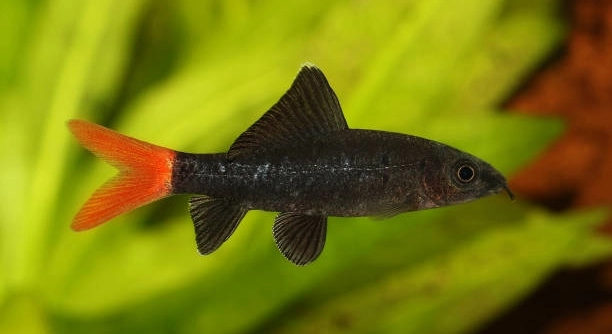
Keeping a Rainbow Shark happy in your tank requires some basic care and attention. These fish have specific needs for their environment to stay healthy and active. Providing the right tank setup can make a big difference in their well-being.
Creating a comfortable tank for your Rainbow Shark involves ensuring adequate space, clean water, proper filtration, suitable hiding spots, balanced lighting, a stable temperature, and compatible tank mates. Each factor plays a crucial role in supporting their natural behavior and health.
Learning about these key elements will help you maintain a thriving environment for your Rainbow Shark and enjoy watching it flourish over time.
Tank Size and Space Requirements
Rainbow Sharks need enough room to swim comfortably. A tank smaller than 30 gallons can stress them out. Providing at least 40 gallons allows these active fish to explore without feeling cramped. Crowded tanks may lead to aggressive behavior or health problems.
It is important to consider the tank’s shape. Longer tanks give more swimming space than tall, narrow ones. This suits the Rainbow Shark’s natural preference for moving horizontally near the bottom. Make sure the tank is covered, as these fish can jump.
Offering sufficient space reduces stress and encourages natural activity. Proper tank size supports their physical health and prevents common issues like fin damage. Ensuring enough room also makes cleaning easier, as waste is less concentrated. Setting up the right tank from the start helps maintain a peaceful environment and supports your fish’s long-term well-being.
Water Quality and Filtration
Maintaining clean water is essential for Rainbow Sharks. These fish produce waste that can quickly degrade water quality. A strong filter is necessary to remove debris and harmful substances efficiently.
A good filtration system combines mechanical, chemical, and biological filtration. Mechanical filtration traps particles, chemical filtration removes toxins, and biological filtration supports beneficial bacteria. Together, they keep water clear and safe.
Regular water changes, about 20-25% weekly, help keep nitrate levels low. Test water parameters frequently to monitor ammonia, nitrites, and nitrates. Ideal temperature is between 74°F and 80°F, with a pH around 6.5 to 7.5. Stable conditions prevent stress and disease.
Proper filtration and water maintenance create a healthy environment that promotes the Rainbow Shark’s natural behavior and vitality. Clean water reduces the risk of infections and supports their immune system, contributing to a longer, healthier life.
Hiding Spots and Decorations
Rainbow Sharks need places to hide to feel secure. Rocks, caves, and driftwood create shelter and reduce stress. Live plants also offer cover and improve water quality.
Providing varied hiding spots mimics their natural habitat. These fish tend to be territorial, so having enough shelters helps reduce aggression. Decorations should have smooth edges to avoid injury. Position caves and plants so your Rainbow Shark can easily access them while swimming. Avoid overcrowding the tank, as too many decorations limit swimming space. A balanced layout encourages exploration and resting. Proper hiding places improve overall comfort and help the fish feel safe in the environment.
Choosing decorations that suit their behavior enhances their quality of life. When Rainbow Sharks have secure spots to retreat, they display calmer and more natural activity patterns. This setup supports their mental health and reduces chances of stress-related illness.
Lighting and Temperature Control
Lighting should mimic natural day and night cycles to support your Rainbow Shark’s well-being. Too bright or constant light can cause stress. A timer is useful to maintain consistent periods of light and darkness.
Temperature stability is critical. Rainbow Sharks thrive in water between 74°F and 80°F. Sudden temperature changes may weaken their immune system and increase disease risk. Use a reliable heater and thermometer to keep water steady. Avoid placing the tank near windows or vents that cause temperature fluctuations. Consistent lighting and temperature help maintain normal feeding and activity patterns, contributing to the fish’s health and comfort over time.
Compatible Tank Mates
Choosing tank mates carefully is important. Rainbow Sharks can be territorial and aggressive toward smaller or slow-moving fish. Ideal companions are fast-swimming, similarly sized species that occupy different tank levels.
Avoid keeping them with tiny fish like neon tetras. Aggression may increase if the tank is overcrowded or lacks hiding spots. Proper selection of tank mates helps maintain peace and reduces stress for all fish.
Feeding and Diet
Rainbow Sharks are omnivores that require a balanced diet. Feed high-quality sinking pellets or wafers designed for bottom feeders. Supplement with live or frozen foods like bloodworms and brine shrimp to provide variety and essential nutrients. Offer fresh vegetables like blanched zucchini or peas occasionally.
Avoid overfeeding, as excess food can pollute the tank and harm water quality. Feed small amounts two to three times daily, removing uneaten food promptly. Maintaining a proper diet supports growth, coloration, and energy levels.
Regular Maintenance
Regular maintenance is key to a healthy tank. Perform weekly water changes and clean filters as needed to keep the environment stable and clean.
FAQ
How often should I change the water in my Rainbow Shark tank?
Water changes should be done weekly, replacing about 20-25% of the tank’s water. This helps keep nitrate levels low and removes waste buildup. Regular changes maintain a clean environment and reduce stress on your fish. Avoid changing too much water at once, as this can shock the fish.
What temperature is best for Rainbow Sharks?
Rainbow Sharks thrive in water between 74°F and 80°F. Keeping the temperature stable within this range supports their immune system and activity levels. Use a heater and thermometer to monitor and maintain consistent temperatures.
Can Rainbow Sharks live with other fish?
Yes, but tank mates must be chosen carefully. Avoid small, slow, or shy fish, as Rainbow Sharks can be territorial. Good companions are medium to large, fast-moving fish that swim in different tank zones, reducing conflict.
What do Rainbow Sharks eat?
They are omnivores, so their diet should include sinking pellets or wafers, plus live or frozen foods like bloodworms and brine shrimp. Occasional vegetables such as blanched peas or zucchini add variety. Feed two to three small meals daily and avoid overfeeding.
Why does my Rainbow Shark hide all the time?
Hiding often can indicate stress or poor tank conditions. Check water quality, temperature, and ensure the tank has enough hiding spots. Territorial behavior or bullying by other fish can also cause hiding. Adjust the environment to reduce stress.
How large should the tank be?
A minimum of 40 gallons is recommended. This size provides enough swimming space and reduces territorial aggression. Larger tanks allow better water quality management and a more natural environment.
Do Rainbow Sharks need plants in their tank?
Plants provide hiding spots and help improve water quality by absorbing nitrates. Live plants are preferred but choose sturdy species, as Rainbow Sharks may dig around them. Plants contribute to a more comfortable habitat.
Can Rainbow Sharks jump out of the tank?
Yes, they are known to jump occasionally. A secure tank lid is important to prevent escapes and protect your fish. Make sure the lid fits tightly and covers the entire tank.
How do I prevent aggression in my Rainbow Shark?
Provide ample space, hiding spots, and compatible tank mates. Avoid overcrowding and maintain stable water conditions. Proper care reduces stress, which lowers aggressive behavior.
What signs show my Rainbow Shark is healthy?
A healthy Rainbow Shark is active, has bright colors, clear eyes, and smooth fins. It will eat regularly and explore its environment. Watch for unusual behavior like lethargy, loss of appetite, or damaged fins, which could indicate illness.
How long do Rainbow Sharks live?
With proper care, they can live 8 to 10 years. Good water quality, diet, and tank conditions contribute to a long, healthy life.
Is it okay to keep more than one Rainbow Shark in the same tank?
It depends on tank size. In tanks larger than 55 gallons with plenty of hiding places, keeping two or more may work. However, they can become territorial, so monitor their behavior closely.
What equipment is essential for a Rainbow Shark tank?
A heater, filter with mechanical, chemical, and biological filtration, a thermometer, and a secure lid are necessary. Decorations like caves and plants create hiding spots and comfort.
Can Rainbow Sharks live in cold water?
No, they need warm water between 74°F and 80°F. Cold temperatures can cause stress and illness. Always maintain a heater in their tank.
How do I clean the tank without stressing my Rainbow Shark?
Perform partial water changes and avoid sudden temperature or water parameter changes. Clean filters gently and remove uneaten food quickly. Maintain a stable environment during maintenance.
What should I do if my Rainbow Shark shows signs of illness?
Quarantine the fish if possible, check water quality, and research symptoms for treatment options. Consult an aquatic veterinarian if necessary. Early action improves chances of recovery.
Taking care of a Rainbow Shark involves paying attention to several key factors. The tank size, water quality, temperature, and suitable decorations all contribute to creating a comfortable home. Each element affects the fish’s health and behavior. When these needs are met, the Rainbow Shark can thrive and show its natural colors and activity. It is important to maintain the tank regularly and keep the environment stable.
Rainbow Sharks require more than just space and clean water. Their diet plays an important role in their well-being. Feeding a balanced diet that includes both pellets and occasional live or vegetable foods helps support growth and energy. Additionally, choosing compatible tank mates and providing enough hiding spots reduce stress and aggression. These details work together to improve the fish’s quality of life.
Overall, caring for a Rainbow Shark is rewarding when the environment is well maintained. Attention to their specific needs will result in a healthy, active fish that can live for many years. Following the tips in this article can help create a tank that suits their natural habits and promotes long-term happiness. Proper care and consistent maintenance are essential for success.

Hello,
If you enjoy the content that we create, please consider saying a "Thank You!" by leaving a tip.
Every little bit helps us continue crafting quality advice that supports the health, happiness, and well-being of pets around the world, for pets of all shapes, sizes, and species.
We really appreciate the kindness and support that you show us!