
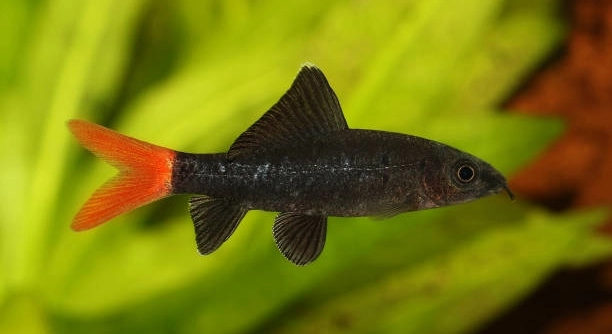
Rainbow sharks are popular freshwater fish known for their vibrant colors and active nature. Many owners enjoy watching them grow and thrive in their tanks. However, some rainbow sharks may not reach their full size as expected.
Rainbow sharks may not grow properly due to factors such as poor water quality, insufficient diet, limited tank space, stress, disease, or incompatible tank mates. These conditions affect their overall health and growth rate significantly.
Knowing the reasons behind slow growth helps improve care and ensures your rainbow shark stays healthy and happy in its environment.
Poor Water Quality
Maintaining clean water is essential for your rainbow shark’s growth. Dirty or polluted water can stress the fish, making it difficult for them to thrive. Waste buildup from uneaten food, fish waste, and decaying plants causes harmful toxins like ammonia and nitrites to rise. These chemicals irritate the shark’s gills and weaken its immune system. When water quality drops, your rainbow shark might stop eating properly, which slows growth. Regular water changes and proper filtration help keep water clean. Testing the water frequently for pH, ammonia, nitrite, and nitrate levels is also important. Ideal water conditions help your fish stay healthy and grow to their full potential. Keeping the tank clean prevents many common health problems that affect growth. A well-maintained aquarium supports a stable environment where your rainbow shark can thrive comfortably.
Water quality issues are often unnoticed but have a major impact on growth and overall health.
Taking time to monitor and improve water conditions can make a big difference in your rainbow shark’s development. It is important to set a cleaning schedule, avoid overcrowding, and use a reliable filter system. You might also consider adding live plants, which help absorb waste and improve oxygen levels. Avoid sudden water changes, which can shock your fish. Consistent water care helps keep your rainbow shark active and growing well over time.
Insufficient Diet
A balanced diet is critical for your rainbow shark’s growth. Feeding your fish only flakes or pellets limits essential nutrients. Rainbow sharks need a variety of foods, including high-quality pellets, live or frozen foods like bloodworms, brine shrimp, and vegetables such as zucchini or spinach. These foods provide protein, vitamins, and minerals needed for healthy development. Overfeeding or underfeeding can both cause problems. Too much food pollutes the water, while too little leaves the fish hungry and weak. Young rainbow sharks especially need more protein to support their rapid growth. Feeding smaller portions multiple times a day encourages better eating habits. Providing variety keeps your fish interested and healthy. Paying attention to diet helps your rainbow shark grow steadily and avoid common nutritional deficiencies.
Proper nutrition supports your rainbow shark’s immune system and vibrant colors, which also improve with good food.
Limited Tank Space
Rainbow sharks need enough room to swim freely and grow. Small tanks can stunt their growth because the fish feel cramped and stressed. A tank under 30 gallons is usually too small for a single adult rainbow shark.
Crowded conditions increase aggression and competition for food. When space is limited, the fish may stop eating well or hide more, which slows growth. Providing at least a 40-gallon tank helps your rainbow shark develop properly. Larger tanks reduce stress and give room to explore, supporting better health.
Proper tank size also ensures good water quality since bigger volumes dilute waste more effectively. Consider the fish’s adult size and choose a tank that fits their needs. Avoid overcrowding by limiting the number of fish and including hiding spots to lower stress levels.
Stress from Tank Mates
Stress caused by aggressive or incompatible tank mates can reduce a rainbow shark’s growth. Fish that constantly chase or nip at the shark create anxiety, which weakens its immune system.
Rainbow sharks are territorial and prefer to have enough space without threats. Keeping them with peaceful, non-aggressive species reduces stress. Avoid fish that crowd or attack them. Providing hiding places and visual barriers can also help reduce tension.
Stress causes poor appetite and less energy for growth. If your rainbow shark is frequently hiding or showing signs of injury, the tank community may need adjustment. Selecting compatible tank mates and arranging the tank environment thoughtfully promotes calmness and healthy growth.
Disease and Parasites
Illness and parasites can stunt a rainbow shark’s growth by draining its energy. Common diseases like ich or fin rot stress the fish and reduce appetite. Early detection and treatment are crucial to prevent long-term damage.
Regular observation helps catch symptoms quickly. Quarantine new fish before adding them to the tank to avoid spreading infections.
Poor Oxygen Levels
Low oxygen levels in the water affect your rainbow shark’s health and growth. Fish need enough oxygen to breathe easily and stay active. Stagnant water or poor aeration limits oxygen availability, making your fish lethargic and less likely to eat well.
Using an air pump, adding live plants, and ensuring proper water movement can improve oxygen levels. Maintaining good oxygen conditions supports steady growth and overall vitality.
Genetics
Genetics play a role in how large your rainbow shark will grow. Some individuals naturally stay smaller due to inherited traits. Even with perfect care, genetics can limit maximum size.
Understanding this helps set realistic expectations for your fish’s growth and appearance.
How often should I change the water to help my rainbow shark grow?
Changing water regularly is important to keep the tank clean and safe. A good rule is to replace 20-25% of the water every week. This helps remove waste, toxins, and leftover food that harm water quality. Frequent water changes reduce stress and support healthy growth in your fish.
Can I feed my rainbow shark only pellets or flakes?
Feeding only pellets or flakes is not enough. Rainbow sharks need a varied diet that includes protein from live or frozen foods like bloodworms or brine shrimp, plus some vegetables. This variety ensures they get the nutrients necessary for growth and good health.
What tank size is best for a growing rainbow shark?
A tank of at least 40 gallons is ideal for one rainbow shark. Bigger tanks allow the fish to swim freely, reduce stress, and keep water quality stable. Smaller tanks can stunt growth and cause health problems.
Why does my rainbow shark hide a lot and seem inactive?
Hiding and inactivity often signal stress or illness. It could be caused by poor water quality, aggressive tank mates, or disease. Check the tank conditions and fish behavior carefully. Adjusting the environment or treating illness can help your fish feel better and grow.
Are certain tank mates bad for rainbow sharks?
Yes. Rainbow sharks prefer peaceful fish that won’t crowd or attack them. Aggressive or territorial fish cause stress, which slows growth. Good tank mates include larger, calm species that keep their distance.
How can I tell if my rainbow shark is sick?
Look for changes in color, spots, clamped fins, or unusual swimming. Loss of appetite or rubbing against surfaces can also indicate illness. Early detection is key to treatment and recovery, which supports growth.
Is it normal for rainbow sharks to stop growing after a certain size?
Yes, they usually grow up to about 6 inches, but genetics and tank conditions affect this. Some fish naturally stay smaller.
Can overcrowding affect my rainbow shark’s size?
Overcrowding raises stress and reduces available food and oxygen. This often results in slower growth or stunted size. Keep the tank properly stocked and provide enough space for all fish.
Does lighting affect my rainbow shark’s growth?
Proper lighting supports healthy activity and feeding habits but doesn’t directly affect growth. Too much light can cause algae problems, while too little can stress fish. Aim for a balanced light schedule.
What is the best way to reduce stress for my rainbow shark?
Maintain good water quality, choose peaceful tank mates, provide hiding spots, and avoid sudden changes. A calm environment helps your rainbow shark eat well and grow steadily.
Can I use medications to boost my fish’s growth?
Medications should only treat illness, not for growth. Using drugs without need can harm your fish and water quality. Focus on proper care and diet to support natural growth.
How do live plants help my rainbow shark grow?
Live plants improve water quality by absorbing waste and producing oxygen. They also create hiding places, which reduce stress. Together, these factors encourage healthy growth.
Should I quarantine new fish before adding them to the tank?
Yes, quarantining new fish for at least two weeks prevents introducing diseases and parasites. This protects your rainbow shark’s health and growth potential.
What temperature is best for rainbow shark growth?
Keep the tank between 74°F and 80°F. Stable temperature within this range supports metabolism and immune function, helping your fish grow well.
How important is feeding frequency?
Feeding smaller amounts two to three times a day is better than one large meal. This encourages better digestion, reduces waste, and helps steady growth.
Can poor water circulation stunt growth?
Yes, poor circulation lowers oxygen and traps waste, stressing your fish. Proper filtration and aeration keep water moving, which supports health and growth.
Do rainbow sharks grow faster in larger tanks?
They often do. Larger tanks reduce stress and allow more natural behavior. This encourages better eating and growth compared to small, cramped environments.
How long does it usually take for a rainbow shark to reach full size?
With good care, rainbow sharks grow quickly in the first six months and slow down after. Most reach near full size by one year old.
Is it normal for growth to slow down suddenly?
Growth can slow due to stress, illness, or changes in environment. If this happens, review tank conditions and diet to find and fix the cause.
Can I help my rainbow shark grow by adding supplements?
Supplements are rarely needed if the diet is balanced. Overusing supplements can harm fish health. Focus on feeding quality food and maintaining tank conditions.
Taking care of a rainbow shark means paying close attention to several important factors. Growth is one of the key signs that your fish is healthy and comfortable in its environment. Many times, slow or stunted growth is a signal that something in the tank needs attention. Whether it is water quality, diet, tank size, or stress, these elements affect how well your rainbow shark develops. By understanding these factors, you can make changes that improve your fish’s health and help it reach its full potential.
Water quality is often the most overlooked part of fish care. Even if you feed your rainbow shark well, poor water conditions can stop it from growing properly. Regular water testing, cleaning, and maintaining a good filter are necessary to keep the environment safe and stable. A clean tank lowers stress, prevents illness, and supports strong growth. Alongside this, a varied and nutritious diet gives your fish the vitamins and protein it needs. Feeding a mix of pellets, live or frozen foods, and vegetables helps maintain energy levels and coloration. Overfeeding or underfeeding can also cause problems, so sticking to a proper feeding schedule is important.
Other factors like tank size and tank mates also play a big role. Rainbow sharks need enough space to swim and avoid conflict. Crowded tanks or aggressive companions cause stress and can make your fish hide or stop eating. Providing hiding spots and choosing peaceful tank mates creates a calm environment where your rainbow shark can thrive. Sometimes, genetics affect growth, meaning not every fish will reach the same size. Keeping realistic expectations and focusing on proper care will help you enjoy your rainbow shark’s company. With patience and attention, you can create a healthy home that supports your fish’s growth and well-being over time.

Hello,
If you enjoy the content that we create, please consider saying a "Thank You!" by leaving a tip.
Every little bit helps us continue crafting quality advice that supports the health, happiness, and well-being of pets around the world, for pets of all shapes, sizes, and species.
We really appreciate the kindness and support that you show us!