
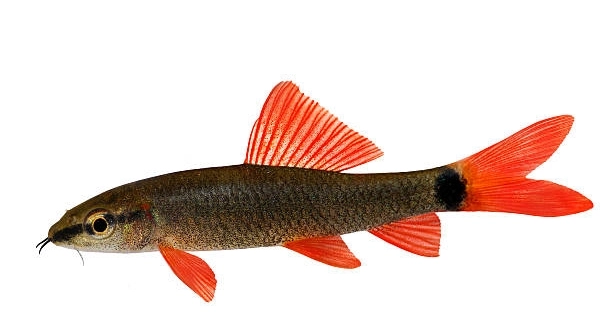
Keeping your rainbow shark’s water parameters stable is essential for its health and well-being. Many aquarium owners find it challenging to maintain the right conditions consistently. Understanding how to monitor and adjust water factors can make a big difference.
Maintaining optimal water parameters involves regularly testing pH, ammonia, nitrite, nitrate, and temperature levels. Consistent water changes and proper filtration help create a balanced environment that supports your rainbow shark’s growth and prevents stress or illness.
Proper water care supports your fish’s vitality and prevents common health problems. These tips will help you create a safe and comfortable home for your rainbow shark.
Testing Water Parameters Regularly
Regular testing of your rainbow shark’s water parameters is vital. Using a reliable test kit, check pH, ammonia, nitrite, and nitrate levels at least once a week. Rainbow sharks thrive in a pH range of 6.5 to 7.5. Ammonia and nitrite should be at zero, as even small amounts can harm your fish. Nitrate levels should stay below 20 ppm to prevent stress and disease. Keep a log of your test results to spot any changes early. Testing helps you catch problems before they affect your fish’s health, allowing for timely adjustments. Many beginners overlook this step, which can lead to avoidable issues. Consistency is key in maintaining a stable environment.
Keeping track of water parameters with regular testing prevents dangerous spikes and helps maintain a healthy habitat.
Monitoring water chemistry is the foundation of good aquarium care. By routinely testing and recording data, you ensure your rainbow shark’s environment remains stable. Small shifts can be corrected quickly, avoiding long-term damage. This proactive approach improves fish longevity and overall tank health.
Performing Regular Water Changes
Performing regular water changes is one of the simplest ways to maintain water quality. Changing 20-30% of the tank water weekly helps remove waste, excess nutrients, and toxins. This practice reduces nitrate buildup and replenishes essential minerals, which support your rainbow shark’s immune system. Use dechlorinated water at the same temperature as the tank to avoid shock. Avoid changing too much water at once, as it can stress your fish and disrupt beneficial bacteria. Consistent water changes complement filtration by keeping the environment clean and balanced. Many keepers find this routine helps prevent common water-related problems. It also allows you to inspect the tank for any abnormalities or health issues in your fish.
Water changes keep the tank clean, reduce toxins, and provide a healthier environment for your rainbow shark.
Maintaining water quality depends heavily on regular water changes. These help dilute waste and prevent harmful chemicals from accumulating. Skipping changes allows nitrate and other compounds to build up, which can weaken your fish and increase susceptibility to disease. Establishing a water change schedule based on tank size and stocking levels will ensure consistent care. This simple step improves water clarity and overall tank stability. Over time, it supports a thriving habitat where your rainbow shark can flourish without unnecessary stress or health risks.
Maintaining Proper Filtration
A good filtration system is essential to keep your rainbow shark’s water clean and balanced. Filters remove waste, toxins, and excess food, preventing water quality problems.
Choosing the right filter depends on your tank size and stocking level. A filter rated for at least twice your tank’s volume per hour is recommended. Mechanical filtration traps debris, while biological filtration supports beneficial bacteria that break down harmful ammonia and nitrites. Regular maintenance, such as cleaning filter media without using tap water, keeps the system effective. Avoid over-cleaning, which can reduce beneficial bacteria populations and upset the tank’s balance. Filtration works best when combined with routine water changes and testing.
Filters create a stable environment by continuously cycling and cleaning water. This helps keep ammonia and nitrite levels safe, supporting your rainbow shark’s health. Proper filtration also reduces algae growth by removing excess nutrients, contributing to a clearer tank.
Controlling Temperature and Lighting
Rainbow sharks prefer stable temperatures between 74°F and 80°F. Fluctuations can stress them and make them vulnerable to disease. Use a reliable aquarium heater and thermometer to monitor the temperature daily. Avoid placing the tank near windows or heat sources that cause temperature swings.
Lighting should mimic a natural day-night cycle. About 8 to 10 hours of moderate light is ideal. Too much light can increase algae growth, while too little affects fish behavior and plant health if present. Use a timer to maintain consistent lighting periods, which helps regulate your rainbow shark’s activity and feeding patterns. Proper temperature and lighting create a comfortable and stable habitat that supports overall health.
Avoiding Overfeeding
Overfeeding is a common cause of poor water quality. Excess food decomposes and releases harmful substances like ammonia and nitrates.
Feed your rainbow shark only what it can eat within two to three minutes. Remove uneaten food promptly to prevent water pollution.
Choosing the Right Tank Size
A minimum of 30 gallons is recommended for a rainbow shark. Larger tanks provide more stable water conditions and reduce territorial stress among fish.
Using Water Conditioners
Water conditioners neutralize chlorine, chloramine, and heavy metals in tap water. Always treat new water before adding it to the tank.
Observing Fish Behavior
Changes in behavior often indicate water problems. Watch for signs like lethargy, gasping, or unusual swimming patterns.
How often should I test my rainbow shark’s water?
Testing water parameters weekly is recommended for most home aquariums, especially with sensitive species like rainbow sharks. Frequent testing helps catch changes early, preventing stress or illness. If the tank is new or experiencing issues, test more often, even daily, until conditions stabilize.
What are the ideal pH levels for a rainbow shark?
Rainbow sharks thrive in water with a pH between 6.5 and 7.5. Keeping pH stable within this range reduces stress and supports their immune system. Avoid sudden pH shifts, which can shock the fish and lead to health problems.
What should I do if ammonia or nitrite levels rise?
Ammonia and nitrite are toxic to fish even at low levels. If levels rise, immediately perform a partial water change to dilute toxins. Check your filter and clean or replace media if necessary, but avoid removing all beneficial bacteria. Adding aquarium-safe bacteria supplements can help re-establish the biofilter.
How often should I change the water?
Perform water changes of 20-30% weekly to maintain good water quality. More frequent changes might be necessary for heavily stocked tanks or if water parameters become unstable. Consistency is important; irregular changes can cause stress and poor health in your fish.
Can I use tap water for water changes?
Tap water can contain chlorine, chloramine, or heavy metals harmful to fish. Always treat tap water with a quality water conditioner before adding it to the tank. Letting water sit out to dechlorinate is less reliable and slower than using conditioners.
What temperature should I keep my tank?
Keep the tank temperature between 74°F and 80°F. Use a heater with a thermostat for stable temperatures. Avoid placing the tank near drafts, windows, or heaters, as temperature fluctuations can stress your rainbow shark.
How much should I feed my rainbow shark?
Feed only what your fish can consume within two to three minutes, once or twice daily. Overfeeding leads to water pollution and health issues. Remove leftover food promptly to keep the tank clean.
Why is my rainbow shark hiding a lot?
Excessive hiding can indicate poor water quality, stress, illness, or bullying by tank mates. Check water parameters and observe tank conditions. Improving water quality and providing hiding spots can help your fish feel secure.
Can I keep rainbow sharks with other fish?
Rainbow sharks can be territorial, especially in smaller tanks. They do best with peaceful, similarly sized fish that occupy different areas of the tank. Avoid keeping multiple rainbow sharks together unless the tank is very large and well-planted.
How do I reduce algae growth in my tank?
Algae growth often results from excess light and nutrients. Control lighting duration to 8-10 hours daily and avoid overfeeding. Regular water changes and maintaining a clean filter also help. Adding algae-eating species may assist but should be chosen carefully.
What signs show my rainbow shark is healthy?
A healthy rainbow shark is active, has bright colors, clear eyes, and smooth scales. It feeds regularly and interacts with its environment. Watch for changes in behavior, appetite, or appearance as early signs of health issues.
How can I improve biological filtration?
Biological filtration depends on beneficial bacteria breaking down ammonia and nitrites. Avoid over-cleaning filter media; rinse it gently in tank water during maintenance. Adding bacterial supplements can support this process, especially after cleaning or setting up a new tank.
What is the best way to acclimate a new rainbow shark?
Float the sealed bag in the tank for 15-20 minutes to equalize temperature. Gradually add small amounts of tank water to the bag every 5 minutes for about an hour. Then gently release the fish into the tank to reduce stress and shock.
How do I prevent stress in my rainbow shark?
Maintain stable water parameters, provide hiding places, avoid overcrowding, and keep a consistent light and feeding schedule. Minimize sudden changes in environment or handling. Stress weakens the immune system and increases disease risk.
What equipment is necessary for maintaining good water parameters?
A reliable water test kit, heater with thermostat, efficient filter, and water conditioner are essential. A thermometer and a timer for lighting also help maintain a stable and healthy environment for your rainbow shark.
Maintaining proper water parameters for your rainbow shark is essential for its health and happiness. Consistent monitoring and care help create a stable environment where your fish can thrive. Paying attention to key factors like pH, temperature, ammonia, nitrite, and nitrate levels keeps the water safe and reduces the risk of illness. Regular water testing, combined with routine water changes and proper filtration, supports a balanced tank ecosystem. These steps prevent the buildup of harmful substances and maintain water clarity, which benefits both your rainbow shark and any other tank inhabitants.
It is also important to avoid common mistakes that can disrupt water quality. Overfeeding leads to leftover food decomposing in the tank, which raises toxin levels and encourages algae growth. Feeding your fish only what they can eat in a few minutes helps keep the water clean. Using a water conditioner when adding new water protects your rainbow shark from harmful chemicals found in tap water. Controlling temperature and lighting creates a consistent habitat that matches the fish’s natural preferences. Sudden changes in these conditions can cause stress, which makes the fish more vulnerable to disease. Providing hiding places and avoiding overcrowding also contribute to a peaceful environment.
By following simple but effective care practices, you can maintain a healthy and vibrant aquarium for your rainbow shark. Each step, from testing and changing water to managing feeding and tank conditions, plays an important role. Taking the time to understand your fish’s needs will help you prevent problems before they occur. This effort results in a tank where your rainbow shark remains active and colorful for years. Keeping water parameters in check is not difficult once you establish a routine, and it is one of the best ways to ensure your fish’s long-term well-being.

Hello,
If you enjoy the content that we create, please consider saying a "Thank You!" by leaving a tip.
Every little bit helps us continue crafting quality advice that supports the health, happiness, and well-being of pets around the world, for pets of all shapes, sizes, and species.
We really appreciate the kindness and support that you show us!