
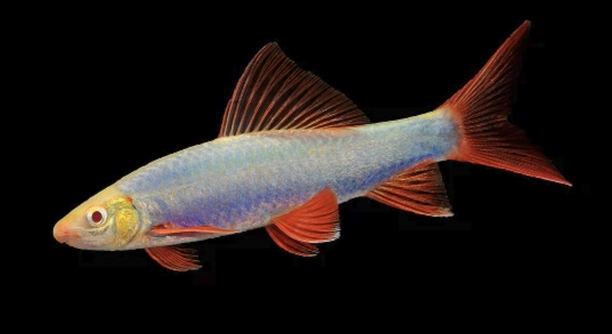
Have you ever watched your rainbow sharks swim and wondered what goes on when it comes to their mating behavior and habits?
Rainbow shark mating is often difficult to observe in home aquariums due to their aggressive nature and territorial behavior. In the wild, breeding is rare and requires specific environmental conditions, including temperature changes and space.
Learning how these colorful fish interact and what triggers their mating behavior can help you understand their needs and maintain a healthier tank environment.
Rainbow Sharks Rarely Breed in Home Aquariums
Rainbow sharks are known for their vibrant appearance, but breeding them in home tanks is not easy. These fish are highly territorial, especially as they mature. When placed with other rainbow sharks, they often show aggression rather than bonding behavior. Males and females can be hard to tell apart, which makes pairing even more difficult. In the wild, they breed during the rainy season when the water conditions shift naturally. In captivity, it’s hard to mimic these changes accurately. Most aquarists who’ve tried to breed them report little success, even with controlled settings. The lack of space and environmental triggers are the main barriers. Tanks would need to be large enough to reduce aggression and replicate the natural cycles of light, temperature, and water movement. Without these factors, rainbow sharks are unlikely to breed, making them a species better admired for their appearance than bred at home.
Males are usually slimmer and may show slightly brighter coloration, but the differences are small and not always clear.
Aggression increases when rainbow sharks are kept in small tanks or with others of the same kind. This behavior prevents stable pairs from forming, which is key for successful mating. Even in larger tanks, this can remain a problem.
Environmental Triggers Play a Major Role
Breeding tends to occur in the wild when temperatures rise and the environment changes slightly, especially during rainy seasons.
In aquariums, rainbow sharks need very specific triggers to start mating behavior. Water temperature should be raised gradually to around 80–82°F. A slight increase in pH and changes in lighting can help simulate seasonal patterns. Soft substrate, hiding spaces, and slow-moving water can also support more natural interactions. But even with these changes, success is rare. Stress and tank size matter. A tank under 75 gallons usually leads to increased aggression. These fish need their own space, especially when they’re older. Hiding spots and plants can help reduce stress, but they won’t guarantee breeding. It’s also important to ensure water quality stays high—any shift can impact behavior. Some aquarists even use dividers to keep sharks apart until signs of interest appear. Still, breeding success stories are uncommon and often require years of observation and trial. Most people enjoy rainbow sharks more for their looks than for breeding results.
Tank Setup Matters More Than You Think
A proper tank setup can either help or prevent any chance of mating. Rainbow sharks need space, hiding spots, and calm water to feel secure. Without the right environment, they remain aggressive and uninterested in mating behaviors.
Rainbow sharks are sensitive to their surroundings. A tank size of at least 75 gallons is recommended for a single adult, but more space is better if you’re attempting to keep a pair. Use smooth gravel or sand at the bottom and include plants, rocks, and caves to reduce stress and territorial behavior. Strong water currents should be avoided, and the lighting should mimic a natural day-night cycle. Water temperature should remain stable between 78°F and 82°F. Adding driftwood or plants with broad leaves offers places to rest and hide. If they feel exposed or threatened, they are less likely to exhibit any signs of breeding readiness.
Filtration plays a big role, too. Even though the water should be clean and oxygen-rich, too much current can stress them. Use a filter that keeps water clean without creating fast movement. Also, maintain pH levels between 6.5 and 7.5. Regular testing helps keep things consistent. Any sudden changes in water conditions could stop breeding behavior before it even starts.
Mating Behavior Can Be Subtle and Hard to Notice
Most mating signs are easy to miss. Unlike some fish that display bright colors or dance-like behavior, rainbow sharks are more reserved. They may chase each other less aggressively, or rest near each other more often than usual.
Sometimes the male starts following the female closely without showing signs of biting or fighting. This can be mistaken for normal swimming, but if aggression seems low, it might be part of the courtship. If both fish explore the same cave or corner and remain close without conflict, it’s often a good sign. There might also be a brief increase in activity during the early evening hours. These small changes can be easy to overlook, especially if you’re used to their territorial nature. However, true mating is rarely observed. Eggs are usually laid on flat surfaces or inside caves, and fertilization happens quickly. If you’re not watching closely, the entire process can go unnoticed.
Breeding Success Is Extremely Rare
Even with the right tank and conditions, successful breeding in captivity almost never happens. Most rainbow sharks sold in stores are bred through hormone treatments in commercial farms, not through natural mating.
Many home aquarists try for years without success. The behavior, space, and environmental triggers needed are difficult to control.
Eggs and Fry Require Special Care
If eggs do appear, they are usually laid on smooth surfaces or hidden in caves. The parents might ignore them or even eat them, so it’s best to move the eggs to a separate tank quickly. Water should be clean, warm, and lightly aerated. Adding a sponge filter helps avoid sucking in the fry. The eggs hatch in a few days, and the fry will need infusoria or liquid fry food at first, then gradually be introduced to crushed flakes or baby brine shrimp. Without this level of care, most won’t survive beyond the first week.
You May Never See the Full Process
It’s common for the entire breeding process—if it happens at all—to go unnoticed. These fish are private, and their behaviors are easy to miss in a busy tank.
FAQ
Can rainbow sharks breed in a home aquarium?
Yes, but it’s extremely rare. Most home setups can’t provide the space, environmental changes, and low-stress conditions needed for rainbow sharks to breed naturally. Even experienced aquarists with large tanks struggle to achieve success without the use of hormone treatments or highly controlled environments.
How do I know if I have a male and female rainbow shark?
Telling them apart is difficult. Males are usually slimmer and may have more pointed fins and slightly brighter coloring. Females tend to have rounder bellies, especially when mature. These differences are small and not always reliable, especially in younger fish.
What size tank do rainbow sharks need to reduce aggression?
For a single rainbow shark, a tank of at least 75 gallons is recommended. If you’re attempting to keep two, you’ll need 125 gallons or more with heavy decorations and clear territories to reduce stress and fighting.
What are the signs of mating behavior?
They may swim closer without aggression, follow one another gently, or rest in the same area. These behaviors are subtle and often overlooked. If a pair becomes less aggressive and shows increased interaction, it may be part of the mating process.
Can rainbow sharks be kept in pairs?
It’s not advised unless the tank is very large. Rainbow sharks are territorial, especially with their own kind. Most attempts to keep two result in one bullying the other. Only in rare cases with careful planning do peaceful pairs form.
Do rainbow sharks protect their eggs or fry?
No, they do not show parental care. If eggs are laid, the adults may eat them. For any chance of survival, the eggs should be moved to a separate tank with stable, warm, clean water and gentle filtration.
How long does it take for rainbow shark eggs to hatch?
If fertilized, the eggs usually hatch within 3 to 5 days. The fry stay near the bottom at first and need tiny food like infusoria or commercial liquid fry food. They are very delicate and need stable water conditions to survive.
Can rainbow sharks breed in community tanks?
It’s highly unlikely. Rainbow sharks often claim territories and can become aggressive toward other fish. A busy tank adds stress, making mating even less likely. A dedicated tank with only the pair and lots of hiding spaces gives the best chance.
What kind of lighting do rainbow sharks need for breeding?
Moderate lighting that mimics a natural day-night cycle is ideal. Sudden changes or intense lighting can stress the fish. A soft timer-controlled light setup helps simulate seasonal shifts, which may trigger natural behaviors like mating.
Do they need a specific diet before breeding?
A high-quality diet supports overall health, which is important if you’re trying to breed them. Feed a variety of sinking pellets, frozen bloodworms, and vegetable matter like zucchini or spinach. This improves their color, energy levels, and possibly breeding readiness.
Can hormone treatments be used at home to breed rainbow sharks?
Hormone-induced breeding is typically done in commercial fish farms and is not recommended for home aquariums. It requires knowledge, sterile equipment, and experience. It also carries risks for the fish and is not a humane method for most hobbyists.
Why are rainbow sharks so hard to breed in captivity?
They need very specific environmental triggers, a large tank, minimal stress, and a compatible pair. All of these are hard to control at home. Their territorial nature and lack of parental care make successful breeding difficult without professional-level setups.
Final Thoughts
Rainbow sharks are beautiful and active fish, but they are not easy to breed in a home aquarium. Their strong territorial behavior and sensitivity to changes in their environment make it hard to create the right conditions. Even with a large tank, perfect water quality, and proper temperature, breeding rarely happens. Most rainbow sharks sold in pet stores are not bred naturally but with hormone methods in large fish farms. This means that what works in a commercial setting does not always work in a personal aquarium.
If you’re hoping to see natural breeding behavior at home, it helps to start with a large tank, keep only one pair, and add plenty of hiding spots. The water should be warm, clean, and slightly adjusted to match the conditions they would experience in the wild. You’ll also need to be patient and observant. Mating behavior is easy to miss and can look like regular swimming or resting. Even if eggs are laid, the adult fish are likely to eat them unless you remove them quickly and provide a safe place for the fry to grow. Keeping fry alive is another challenge, requiring tiny food and stable water every day.
Most people who keep rainbow sharks do so for their appearance and personality, not for breeding. That’s completely fine. These fish can live for many years and bring color and movement to a well-maintained tank. Watching their behaviors and learning about their habits can still be rewarding. While breeding might not happen, creating a peaceful and healthy space for your rainbow shark is still a goal worth focusing on. Whether or not mating ever takes place, caring for these fish the right way will lead to a better experience overall.

Hello,
If you enjoy the content that we create, please consider saying a "Thank You!" by leaving a tip.
Every little bit helps us continue crafting quality advice that supports the health, happiness, and well-being of pets around the world, for pets of all shapes, sizes, and species.
We really appreciate the kindness and support that you show us!