
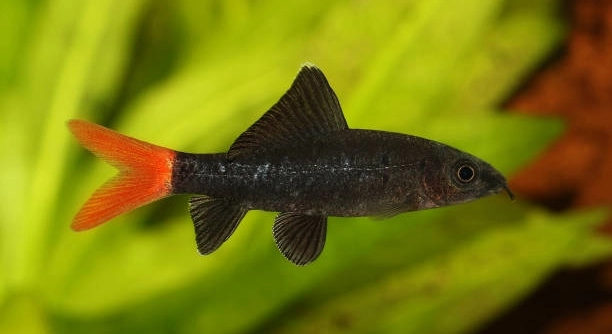
Rainbow Sharks are popular aquarium fish known for their vibrant colors and active nature. Many owners enjoy watching them swim but sometimes struggle with feeding habits. Overfeeding is a common problem that can affect their health and water quality.
Overfeeding Rainbow Sharks can lead to poor water conditions, obesity, and health issues. It is important to control portion sizes, feed appropriate food types, and maintain a regular feeding schedule to avoid these problems effectively.
Knowing how to feed your Rainbow Shark properly helps maintain a balanced tank environment and keeps your fish healthy for a long time.
Understand Your Rainbow Shark’s Appetite
Rainbow Sharks are active fish with a moderate appetite. They do not need large amounts of food daily. Feeding too much can cause uneaten food to pollute the tank. It’s important to learn how much your fish can eat comfortably in a few minutes. Usually, feeding once or twice a day with small portions works best. Use a feeding schedule to avoid giving extra snacks or treats. Watching how quickly they finish their food helps adjust the amount you offer next time. This approach prevents waste and keeps your tank cleaner, which benefits your fish’s health and the overall environment.
Monitoring feeding habits helps control overfeeding. Pay attention to how your fish reacts during mealtime and avoid feeding beyond their needs.
By understanding their appetite, you create a feeding routine that fits your Rainbow Shark’s needs. This helps maintain a healthy weight and reduces the risk of tank pollution from leftover food.
Choose the Right Food
Feeding your Rainbow Shark the correct type of food is essential for their health. They thrive on a balanced diet with quality flakes, pellets, and occasional live or frozen foods. Avoid over-relying on one type of food, as this can lead to nutritional imbalance. Live or frozen foods such as bloodworms or brine shrimp provide variety and encourage natural hunting behaviors. Make sure the food size matches your fish’s mouth to avoid choking or wasted food. When introducing new food, do so gradually to prevent digestive issues. Proper food choice supports growth, color, and energy levels while preventing overfeeding problems caused by offering too many treats or inappropriate snacks.
A varied, balanced diet is key to keeping your Rainbow Shark healthy and happy.
Feeding the right food not only meets nutritional needs but also reduces leftovers that pollute the tank. Choosing appropriate food sizes and types ensures efficient feeding and supports your fish’s natural behavior. Avoid feeding too many treats or human food to keep their diet consistent. Quality food helps your Rainbow Shark maintain strong colors and vitality without risking overfeeding or water contamination. This careful selection process simplifies tank maintenance and promotes long-term well-being for your fish.
Feed Small Portions
Feeding small portions helps prevent overfeeding. It allows your Rainbow Shark to consume all the food quickly without leftovers. This also reduces waste and keeps the tank cleaner.
Start by offering a small amount of food that your fish can finish in about two minutes. Watch how much your Rainbow Shark eats and adjust accordingly. If there is leftover food after feeding, reduce the next portion. Small portions help maintain water quality by minimizing uneaten food that decays and causes harmful ammonia spikes. Feeding too much at once can lead to bloating or digestive problems in your fish. Keeping portion sizes controlled is a simple and effective way to promote a healthy feeding routine.
Over time, you will learn your fish’s appetite and feeding speed, making it easier to provide just the right amount each time. This approach helps avoid common problems linked to overfeeding.
Use Feeding Tools
Using feeding tools can improve feeding control and reduce overfeeding. Tools like feeding rings or automatic feeders help limit how much food enters the tank. Feeding rings keep food in one spot, preventing it from scattering across the tank floor and making it easier for your Rainbow Shark to find and eat. Automatic feeders dispense precise amounts at set times, reducing the risk of giving too much food by mistake. These tools support a consistent feeding schedule and help you avoid accidental overfeeding, especially when busy or away from home. They also minimize the mess caused by scattered food, helping maintain cleaner tank conditions and healthier fish. Choosing the right feeding tools makes managing your Rainbow Shark’s diet easier and more efficient.
Avoid Feeding at Night
Rainbow Sharks are less active at night and do not need food during this time. Feeding at night can cause uneaten food to remain in the tank, leading to poor water quality.
Stick to feeding your fish during the day when they are most active. This helps ensure they eat all the food and reduces waste buildup.
Monitor Your Fish’s Behavior
Changes in behavior can indicate overfeeding or other health issues. Watch for signs like sluggishness, bloating, or reduced activity. These symptoms often mean your fish is eating too much or experiencing digestive problems. Keeping a close eye helps you adjust feeding amounts before problems worsen. Regular observation is a key part of good fish care and maintaining a healthy tank environment.
Clean the Tank Regularly
Regular tank cleaning removes leftover food and waste. This prevents harmful buildup that can stress your Rainbow Shark and cause illness. Consistent maintenance keeps the water safe and clear.
FAQ
How often should I feed my Rainbow Shark?
Feeding your Rainbow Shark once or twice a day is enough. They do not need constant feeding like some other fish. Make sure the portions are small so they can finish the food quickly. Overfeeding can cause health issues and water pollution, so sticking to a simple schedule helps maintain a healthy tank.
What signs show my Rainbow Shark is overfed?
Look for signs like bloating, slow swimming, or hiding more than usual. Uneaten food sinking to the bottom and cloudy water are also indicators. Overfeeding leads to poor water quality, which stresses your fish. Watching your Rainbow Shark closely can help you catch these signs early.
Can I feed my Rainbow Shark human food?
It’s best to avoid feeding human food. Many foods we eat do not provide the nutrients your Rainbow Shark needs. Some human foods can cause digestive problems or pollute the water quickly. Stick to specially formulated fish food and occasional live or frozen treats.
Is it okay to feed my Rainbow Shark live food every day?
No, live food should be given occasionally, not daily. Live or frozen foods like bloodworms add variety and nutrition but can cause digestive problems if overused. Balance their diet with pellets or flakes designed for Rainbow Sharks.
What should I do if my fish refuses to eat?
If your Rainbow Shark stops eating, check the water quality and temperature first. Stress or illness can cause appetite loss. Try offering a different type of food or smaller portions. If the problem continues, consider consulting a vet or fish expert.
How much food is too much?
Too much food is any amount your fish cannot finish in about two minutes. Uneaten food leads to poor water quality and can harm your Rainbow Shark. Feed small amounts and watch carefully to avoid leftovers.
Can overfeeding affect water quality?
Yes, overfeeding directly impacts water quality. Uneaten food breaks down into harmful chemicals like ammonia and nitrites. These substances are toxic to fish and can cause serious health problems. Regular cleaning and proper feeding help keep water safe.
Is it normal for Rainbow Sharks to beg for food?
Rainbow Sharks can become excited during feeding times and seem to beg for food. However, responding to this behavior by feeding extra can lead to overfeeding. It’s important to stick to your planned portions regardless of begging.
What type of food is best for Rainbow Sharks?
Pellets and flakes made for bottom feeders work well. They are designed to sink slowly, matching the Rainbow Shark’s feeding style. Supplementing with live or frozen foods occasionally supports their health without risking overfeeding.
Can feeding tools help control portions?
Yes, feeding rings and automatic feeders help regulate food amounts. They prevent scattering and make it easier to provide consistent portions. These tools are useful for busy owners or those new to caring for Rainbow Sharks.
Final Thoughts
Taking care of a Rainbow Shark means paying close attention to its feeding habits. Overfeeding is a common mistake that can harm the fish and the aquarium environment. By offering the right amount of food, choosing the best types of food, and feeding at proper times, you help keep your Rainbow Shark healthy and happy. Feeding small portions and avoiding extra snacks reduce leftover food, which helps maintain better water quality and prevents health issues.
It is important to watch your Rainbow Shark’s behavior regularly. Changes like bloating, sluggishness, or lack of appetite can be signs of overfeeding or other problems. When you notice these signs, adjusting the feeding routine or checking the tank conditions is necessary. Using feeding tools like rings or automatic feeders can make this process easier and more accurate. These tools help provide consistent feeding portions and avoid mistakes. Keeping the tank clean and maintaining good water quality also play a big role in preventing the negative effects of overfeeding.
In the end, feeding your Rainbow Shark correctly is about balance and observation. A well-fed fish with a clean tank will show bright colors and active behavior. Creating a feeding routine that matches your fish’s needs will help avoid common problems caused by too much food. When you stay consistent and careful with feeding, your Rainbow Shark will live a healthier and longer life. Taking small steps like these makes a big difference in your fish’s well-being and the overall success of your aquarium.

Hello,
If you enjoy the content that we create, please consider saying a "Thank You!" by leaving a tip.
Every little bit helps us continue crafting quality advice that supports the health, happiness, and well-being of pets around the world, for pets of all shapes, sizes, and species.
We really appreciate the kindness and support that you show us!