
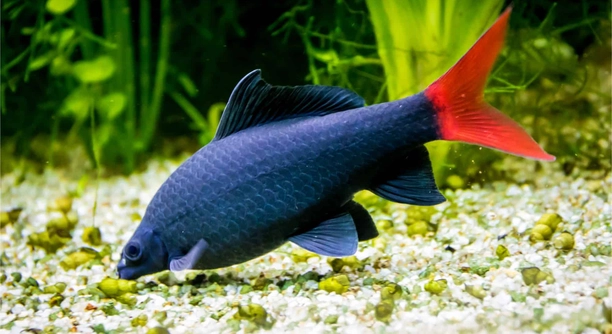
Is your rainbow shark acting aggressive toward other fish, constantly chasing or guarding certain areas of the tank? Territorial behavior is common in these striking freshwater fish, especially when they feel threatened or confined in their environment.
The most effective ways to manage rainbow shark territorial behavior include providing adequate tank space, adding hiding spots, choosing peaceful tank mates, and ensuring consistent feeding routines. These steps reduce stress and minimize aggressive displays, improving overall tank harmony.
From adjusting tank size to selecting the right companions, these seven methods will help your rainbow shark feel more secure and less aggressive.
Provide a Spacious Tank Environment
Rainbow sharks need enough room to swim freely and claim their own territory. A cramped tank can increase stress and cause aggressive behavior. For a single rainbow shark, a minimum of 50 gallons is recommended. This gives them the space they need to explore and feel comfortable without constantly running into other fish. Avoid overcrowding with decorations or too many tank mates, as this can limit swimming areas and lead to more conflict. A long tank is better than a tall one, since these fish prefer horizontal space. Adding natural elements like plants and caves can help divide the space visually and reduce tension. Creating clear boundaries allows your rainbow shark to feel more secure in its area. A well-sized tank not only improves their mood but also supports their health and reduces their need to act out through aggression.
A larger tank gives your rainbow shark personal space, which helps calm territorial behavior and reduces unnecessary fights.
Avoid keeping rainbow sharks in tanks that are too small. When space is limited, they are more likely to feel threatened by other fish nearby. With more room, they are less likely to guard specific spots, allowing for peaceful coexistence.
Add Plenty of Hiding Spots
Rainbow sharks appreciate having secure places to hide. Caves, rocks, and plants can help ease their stress.
Decorating your aquarium with various hiding spots is one of the easiest ways to reduce aggression. When fish have safe places to retreat, they feel less exposed and are less likely to act out. Use a combination of plants, driftwood, and aquarium-safe decorations to create several hiding options across the tank. This helps not just the rainbow shark, but also other fish that may feel intimidated. Position the hiding spots in a way that breaks up sightlines so the rainbow shark cannot see across the entire tank at once. This gives all the fish a chance to avoid confrontations. Spread the decorations evenly to encourage more natural swimming patterns. The goal is to make the tank feel like a balanced space with places to rest, explore, and hide. Reducing visibility across the tank lowers stress and minimizes territorial disputes.
Choose Compatible Tank Mates
Rainbow sharks do not get along well with similar-looking or bottom-dwelling fish. Choosing peaceful, fast-swimming species helps reduce tension and avoid fights over territory. Avoid slow or long-finned fish, as they may become targets of aggression.
Choose tank mates that occupy other areas of the aquarium and are quick enough to avoid confrontation. Fish like barbs, danios, or rasboras are typically fast, active swimmers that stay in the middle or top levels of the tank. Avoid other semi-aggressive species or bottom-dwellers like red tail sharks, bala sharks, or catfish. Keeping only one rainbow shark per tank is also important, as they often view others of the same kind as rivals. Introducing fish all at once, rather than one at a time, can prevent the rainbow shark from claiming the entire tank as its own. A well-balanced community of compatible species reduces stress and supports healthier, calmer behavior.
Watch closely after introducing any new fish. If your rainbow shark reacts aggressively, you may need to rearrange tank decorations or add more hiding spots to break line of sight. Sometimes, simply adjusting the environment helps reset territorial boundaries. Monitor interactions daily for the first week. If aggression persists, consider separating incompatible species before injuries happen. Quick action can help prevent ongoing stress in the tank.
Rearrange the Tank Occasionally
Changing the layout of the tank can help reduce territorial aggression by disrupting familiar zones and encouraging new movement patterns. It also gives fish a chance to explore and reestablish more peaceful boundaries within the space.
Rearranging your tank decor can reset your rainbow shark’s sense of territory. When items like plants, rocks, or caves are moved, it forces the fish to re-evaluate their surroundings. This change helps minimize strong attachment to any one spot and decreases their urge to defend it. Move items around gradually, not all at once, to avoid overwhelming the fish. Try adjusting things during regular maintenance or partial water changes. Even small shifts in layout can make a difference. Make sure each section still has hiding places and clear swimming paths. Repeating this every few weeks helps maintain a balanced tank atmosphere, reducing dominance issues and encouraging healthier interactions among all tank mates.
Feed on a Consistent Schedule
Feeding your rainbow shark at the same time each day helps reduce stress and aggressive behavior. A steady routine keeps them calm and focused, preventing unnecessary chasing or guarding around feeding areas in the tank.
Offer food in different spots across the tank to avoid crowding. When fish gather in one area, it can trigger territorial responses. Use slow-sinking pellets or spread flakes around so every fish gets a chance to eat without conflict. Consistency and spacing make a noticeable difference.
Maintain Proper Water Conditions
Clean, stable water reduces stress and helps rainbow sharks stay calm. Poor water quality can lead to irritability and more aggressive behavior. Test your tank weekly to monitor ammonia, nitrite, nitrate, and pH levels. Perform regular water changes—at least 25% weekly—and keep the temperature stable between 75–81°F. Avoid sudden shifts in temperature or pH, as rainbow sharks react strongly to environmental changes. A good filter and proper circulation support oxygen levels and keep waste low. When the water conditions are steady, your fish feel more secure. This helps lower territorial behavior and keeps the tank more peaceful overall.
Limit Visual Triggers
Avoid placing your tank near mirrors or reflective surfaces. Rainbow sharks may see their reflection as a rival and become more aggressive.
FAQ
Can rainbow sharks live with other bottom dwellers?
It’s not recommended. Rainbow sharks are naturally territorial, especially along the bottom of the tank. Placing them with other bottom-dwelling fish like catfish, loaches, or other shark-like species often leads to fights. Even peaceful bottom dwellers can be seen as threats. If you must add them, choose a large tank (at least 75 gallons), create separate territories using plants or rocks, and monitor their behavior closely. Some fish may tolerate each other for a while, but tension usually builds over time. To keep things peaceful, it’s better to pair rainbow sharks with mid or top-level swimmers instead.
How can I tell if my rainbow shark is stressed?
Stressed rainbow sharks show clear signs. You might notice faster breathing, hiding more often, chasing tank mates aggressively, or refusing to eat. Their colors may appear faded, and their movements become more frantic. Changes in tank conditions, poor water quality, or lack of space can trigger these behaviors. Pay attention to their patterns—stress often develops gradually. If your shark was previously calm and suddenly turns hostile, check for changes in the environment, new tank mates, or possible illness. Acting early can prevent long-term issues and restore calm to the tank. Reducing stress helps the fish become less territorial and healthier overall.
What tank size is best for a rainbow shark?
A minimum of 50 gallons is needed for one adult rainbow shark. These fish are active swimmers and need space to establish their territory. If the tank is too small, they may become aggressive and stressed. A longer tank is better than a tall one, as they prefer horizontal swimming areas. If you’re keeping other fish in the tank, larger is always better. For community tanks, consider 75 gallons or more to allow enough room for all species to avoid each other. More space leads to better behavior, less fighting, and a calmer tank environment.
Why does my rainbow shark chase other fish?
Chasing is a common sign of territorial behavior. Rainbow sharks claim certain areas of the tank and will often guard them aggressively. If another fish enters what your shark sees as “its space,” it may react by chasing. This can happen more often in smaller tanks, or when there aren’t enough hiding places to create boundaries. Adding more decorations and breaking up open areas can help reduce chasing. Make sure your tank mates are fast, non-aggressive, and occupy different areas of the tank to reduce conflict.
Do rainbow sharks need to be kept alone?
Rainbow sharks do best when kept singly. Keeping more than one usually leads to fights, especially in tanks smaller than 100 gallons. These fish are territorial with their own kind and similar-looking species. Unlike some schooling fish, rainbow sharks are not social and do not benefit from being in groups. They often feel less threatened when kept alone, and this helps reduce stress and aggression. If you want variety in the tank, choose species that stay in other levels and don’t resemble the rainbow shark in shape or color.
Can tank decor help with aggression?
Yes, decor plays a big role in reducing aggression. Adding plants, caves, and rocks helps break the line of sight and gives fish places to hide. These elements divide the tank into zones, which can prevent the rainbow shark from claiming the entire space as its own. Spread out the decorations to create a more balanced layout. The more visually broken the tank is, the less control one fish has over it. Even small adjustments can change the way your rainbow shark interacts with others.
What should I do if my rainbow shark injures another fish?
If injuries occur, it’s important to act quickly. Move the injured fish to a separate tank or breeder box so it can heal without stress. Check the tank size, layout, and fish mix to identify the cause. You may need to rearrange the decor or remove either the shark or the injured fish permanently. If aggression is consistent and doesn’t improve with environmental changes, rehoming might be the safest solution. Injuries can quickly turn serious, so watch closely and take steps early.
Final Thoughts
Rainbow sharks are striking and active fish, but their territorial behavior can make tank life stressful if not properly managed. Understanding their needs is key to keeping them calm and healthy. These fish naturally protect their space, especially in smaller tanks or when they feel crowded. That’s why choosing the right tank size and layout is so important. A tank with plenty of space, hiding spots, and good water quality will help prevent aggressive behavior. Even though rainbow sharks can be challenging, they can still live peacefully with other fish when given the right setup.
Most problems with territorial behavior come from stress or feeling unsafe. Once you learn what triggers your rainbow shark, it becomes easier to fix the situation. Creating clear zones in the tank, sticking to a consistent feeding schedule, and selecting the right tank mates all make a difference. Sometimes even a small change—like rearranging decor or moving the tank away from mirrors—can calm them down. It’s important to stay patient and observant. Watching how your fish behaves each day can help you spot problems before they get worse.
Keeping a peaceful tank takes effort, but it’s worth it. Rainbow sharks are fun to watch, especially when they feel relaxed and secure. As long as you meet their needs and pay attention to their behavior, they’ll settle in and become a rewarding part of your aquarium. Just remember that they’re best kept alone or with fast, peaceful fish that won’t challenge them. With time, consistency, and a well-planned tank environment, even a territorial rainbow shark can learn to share space more calmly.

Hello,
If you enjoy the content that we create, please consider saying a "Thank You!" by leaving a tip.
Every little bit helps us continue crafting quality advice that supports the health, happiness, and well-being of pets around the world, for pets of all shapes, sizes, and species.
We really appreciate the kindness and support that you show us!