
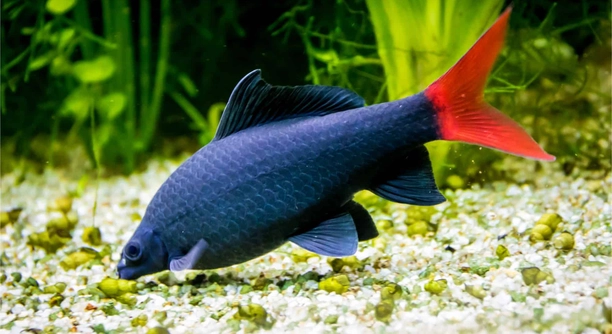
Rainbow sharks are popular aquarium fish known for their striking colors and active behavior. Many fish owners want to create a comfortable environment where their rainbow shark feels safe and content. Ensuring this helps the fish thrive and reduces stress.
To make a rainbow shark feel secure, focus on providing ample hiding spots, stable water conditions, proper tank size, peaceful tank mates, consistent feeding schedules, and minimal sudden disturbances. These factors collectively promote a healthy and calm environment for the fish.
These simple but important steps can improve your fish’s well-being. Keeping your rainbow shark secure helps it live a longer, happier life in your care.
Provide Plenty of Hiding Spots
Rainbow sharks naturally seek places to hide when they feel threatened or need rest. Adding caves, plants, and decorations creates safe areas where your fish can retreat. This reduces stress and encourages natural behavior. Without enough hiding spots, the fish may become nervous or aggressive toward others. Make sure hiding places are spaced around the tank to offer multiple options. Using smooth decorations helps avoid injuries. Live plants or artificial ones also work well to provide cover. Changing the layout occasionally can keep the environment interesting for your fish.
Creating hiding spots is especially important if you keep multiple fish species together. Rainbow sharks can be territorial, so a well-structured tank helps prevent fights. The fish will feel more confident exploring when it knows a safe space is nearby. Proper hiding areas support healthier, calmer fish and contribute to a balanced aquarium.
With well-placed hiding spots, your rainbow shark will feel secure and less stressed in its home.
Maintain Stable Water Conditions
Stable water conditions are essential for your rainbow shark’s health and security. Changes in temperature, pH, or cleanliness can cause stress or illness. Regular testing and adjustments keep water parameters steady, promoting a safe environment.
Choose Peaceful Tank Mates
Peaceful tank mates reduce stress for your rainbow shark. Aggressive or overly active fish can cause anxiety and territorial disputes. Compatible species help create a calm environment.
Selecting fish that thrive in similar water conditions is important. Avoid aggressive or very small fish that may be bullied. Good companions include certain types of tetras, gouramis, and larger peaceful bottom dwellers. These species usually coexist without conflict, allowing your rainbow shark to swim freely without feeling threatened. Overcrowding should be avoided, as it raises stress and aggression levels. A balanced community tank promotes the overall health and security of all fish.
Careful planning of tank mates creates a peaceful aquarium atmosphere. When your rainbow shark feels safe among its neighbors, it will display healthier, more natural behavior. Peaceful companions support the fish’s emotional well-being and reduce the chance of injury.
Keep a Consistent Feeding Schedule
Feeding your rainbow shark at regular times helps build trust and security. Sudden changes in feeding patterns can make the fish anxious.
A consistent feeding routine allows your fish to anticipate food, reducing stress and promoting a healthy appetite. Overfeeding should be avoided to prevent water quality issues, which can impact the fish’s well-being. Providing a balanced diet with high-quality sinking pellets and occasional live or frozen foods supports good health. Feeding small amounts twice a day is usually ideal, allowing the fish to eat comfortably without leftover waste. Monitoring your fish during feeding time also helps you spot early signs of illness or stress.
Sticking to a steady schedule creates a calm environment where your rainbow shark feels cared for and safe. This habit strengthens the bond between you and your fish, making your aquarium a more peaceful place.
Avoid Sudden Loud Noises
Sudden loud noises can startle your rainbow shark, causing stress and erratic behavior. Keeping the environment quiet helps the fish feel safe and calm.
Minimize banging on the tank or loud conversations nearby. Gentle sounds promote a peaceful atmosphere and support your fish’s well-being.
Provide Proper Tank Size
A spacious tank allows your rainbow shark enough room to swim and establish territory. Crowded tanks increase stress and aggression.
A minimum of 30 gallons is recommended for one rainbow shark. Larger tanks offer more space for hiding spots and reduce territorial disputes, improving the overall health and security of your fish.
Keep Lighting Moderate
Bright or flashing lights can stress your rainbow shark. Using soft, steady lighting creates a comfortable environment.
Too much light disrupts natural behavior, so a balanced day-night cycle is best for their well-being.
How can I tell if my rainbow shark is stressed?
Signs of stress in a rainbow shark include hiding more than usual, erratic swimming, loss of appetite, and faded colors. The fish may also show aggression or lethargy. These behaviors often indicate the environment isn’t meeting its needs or water conditions are unstable.
What is the ideal water temperature for a rainbow shark?
Rainbow sharks thrive in water temperatures between 72°F and 79°F (22°C to 26°C). Keeping the temperature stable within this range helps prevent stress and supports their immune system. Sudden temperature changes should be avoided to maintain a healthy environment.
How often should I clean the tank?
Perform partial water changes of 20-25% weekly or biweekly, depending on tank size and stocking levels. Regular cleaning prevents waste buildup, keeping water quality high. Avoid full cleanings that disturb beneficial bacteria, which are essential for a balanced aquarium.
Can rainbow sharks live with other fish?
Yes, rainbow sharks can live with peaceful, similarly sized fish that share compatible water conditions. Avoid small, slow-moving, or aggressive species that might cause conflicts. Proper tank size and hiding spots reduce territorial behavior and support peaceful coexistence.
What should I feed my rainbow shark?
Feed a balanced diet of sinking pellets formulated for bottom feeders, supplemented with frozen or live foods like bloodworms and brine shrimp. Feed small amounts twice a day to avoid overfeeding and maintain good water quality.
How large can a rainbow shark grow?
Rainbow sharks can grow up to 6 inches (15 cm) in length. Providing enough space in the tank helps accommodate their size and reduces stress and aggression.
Why does my rainbow shark chase other fish?
Chasing behavior is often territorial. Limited space or insufficient hiding spots can cause your rainbow shark to act aggressively. Increasing tank size and adding more decorations can help reduce chasing.
Is it necessary to have a filter in the tank?
Yes, a good filtration system is essential. It keeps water clean and oxygenated, removing waste and harmful chemicals. Proper filtration supports a stable environment, which is crucial for your rainbow shark’s health.
How much space does a rainbow shark need?
A minimum tank size of 30 gallons is recommended for one rainbow shark. More space is needed if you keep multiple fish or other species, ensuring enough room for swimming and territories.
Can rainbow sharks live alone?
Yes, rainbow sharks can live alone and may be less aggressive without tank mates. However, a proper-sized tank and hiding spots remain important for their comfort and well-being.
What kind of substrate is best for rainbow sharks?
Smooth gravel or sand substrate works best. Avoid sharp or rough materials that can injure their sensitive undersides. A natural substrate helps mimic their environment and supports healthy behavior.
How often should I test the water?
Testing water weekly helps detect changes in pH, ammonia, nitrite, and nitrate levels. Maintaining safe parameters ensures a healthy environment and reduces stress for your rainbow shark.
What pH level is best for rainbow sharks?
A pH range of 6.5 to 7.5 is ideal. Stable pH supports good health and normal behavior. Avoid sudden pH shifts, which can cause stress and illness.
Can rainbow sharks jump out of the tank?
Yes, they are known to jump occasionally, especially when stressed or startled. Keep the tank covered with a secure lid to prevent escapes and injury.
How can I reduce aggression in my rainbow shark?
Providing ample space, hiding spots, and peaceful tank mates helps minimize aggression. Avoid overcrowding and sudden changes in the tank environment to keep your fish calm.
Taking good care of your rainbow shark means paying close attention to its environment. When the fish feels safe, it will be healthier and more active. Providing plenty of hiding spots and stable water conditions are key ways to make your rainbow shark comfortable. These simple steps help reduce stress, which is important because stressed fish can get sick more easily. Making sure the tank is the right size and has peaceful tank mates also supports your fish’s well-being. Each of these factors plays an important role in keeping your rainbow shark secure and happy.
Maintaining a clean tank with consistent feeding times and moderate lighting also helps your rainbow shark feel at ease. Sudden changes, loud noises, or overcrowding can make your fish nervous or aggressive. A calm environment gives your rainbow shark a chance to show its natural behavior, which is rewarding to see. By sticking to regular care routines and monitoring your fish closely, you can spot any problems early. This lets you make changes before stress turns into illness. Keeping things steady and peaceful will improve the overall quality of life for your rainbow shark.
Every fish is different, so it may take time to understand what makes your rainbow shark feel most secure. Paying attention to its behavior and making adjustments as needed will help. Being patient and consistent in your care creates a safe space where your fish can thrive. Your effort to provide a good home will be noticed through your fish’s bright colors and active swimming. Ultimately, a well-cared-for rainbow shark is a joy to watch and adds beauty to your aquarium.

Hello,
If you enjoy the content that we create, please consider saying a "Thank You!" by leaving a tip.
Every little bit helps us continue crafting quality advice that supports the health, happiness, and well-being of pets around the world, for pets of all shapes, sizes, and species.
We really appreciate the kindness and support that you show us!