
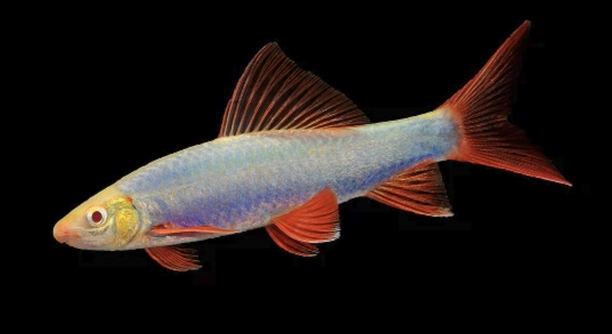
Rainbow Sharks are popular aquarium fish known for their bright colors and active nature. However, they can sometimes become aggressive, which can disrupt the tank environment. Knowing how to prevent this behavior is important for every fish owner.
Maintaining proper tank conditions, providing adequate space, and offering a balanced diet are essential strategies to reduce aggression in Rainbow Sharks. Regular monitoring of their environment and careful selection of tank mates also play crucial roles in minimizing territorial behavior.
These simple steps will help you keep your Rainbow Shark calm and your aquarium peaceful for all its inhabitants.
Provide Adequate Space for Swimming
Rainbow Sharks need plenty of room to swim and establish their territory. A cramped tank increases stress and leads to aggressive behavior. Ideally, the tank should be at least 55 gallons for one Rainbow Shark, with more space required for multiple fish. The fish will be less likely to fight if they have enough room to explore and claim their own area.
Adequate space helps Rainbow Sharks feel secure, reducing territorial disputes and aggressive encounters with other fish.
To keep your Rainbow Shark calm, ensure the tank size matches the number of fish you have. Larger tanks dilute territorial instincts and allow fish to coexist peacefully. Adding hiding spots and decorations further breaks up the space, giving the fish places to retreat and feel safe. This setup encourages natural behavior and keeps aggression low. Paying attention to tank size is one of the simplest and most effective ways to maintain a peaceful aquarium environment.
Maintain Stable Water Conditions
Rainbow Sharks are sensitive to sudden changes in water quality, which can trigger stress and aggression. Regular testing and maintenance of pH, temperature, and ammonia levels are crucial to keeping them healthy and calm. Sudden shifts in these parameters may cause irritability or territorial behavior, making stability essential.
Consistent water conditions help Rainbow Sharks remain healthy and reduce aggressive tendencies.
Water temperature should be kept between 72 and 79°F, and pH levels around 6.5 to 7.5. Frequent partial water changes help keep ammonia and nitrate levels low. Using a reliable filtration system and avoiding overcrowding also contribute to stable conditions. When water quality is optimal, Rainbow Sharks are less stressed and less likely to act aggressively. Proper tank maintenance benefits all fish, improving their overall well-being and harmony within the tank. Regular care and attention go a long way in preventing problems before they start.
Choose Compatible Tank Mates
Rainbow Sharks can be territorial, so selecting peaceful tank mates is important. Avoid aggressive or fin-nipping species that may provoke fights or stress.
Peaceful fish like tetras, barbs, and gouramis usually coexist well with Rainbow Sharks. Avoid slow-moving or long-finned fish, as these can become targets. Keeping only one Rainbow Shark per tank also helps minimize aggression related to territorial disputes.
Compatibility reduces stress and promotes a calmer environment. It’s important to observe interactions regularly and separate any fish showing signs of distress or injury. Proper tank mate selection supports a balanced and peaceful aquarium, making daily care easier and more enjoyable.
Provide Plenty of Hiding Spots
Hiding spots allow Rainbow Sharks to retreat when feeling threatened or stressed. Using plants, rocks, and decorations helps create natural shelters in the tank.
These hiding places reduce competition and lower aggression, especially during feeding or breeding. Providing varied structures encourages natural behavior and helps Rainbow Sharks feel secure. Without hiding spots, fish may become more territorial and aggressive as they compete for limited shelter.
Position decorations to create multiple territories and safe zones. This setup keeps the tank peaceful by giving each fish a place to rest. It also reduces direct confrontations, helping all fish live together in harmony. Proper decoration benefits both the fish and the overall appearance of the aquarium.
Feed a Balanced Diet
A well-balanced diet keeps Rainbow Sharks healthy and less prone to aggression. Feeding high-quality pellets, flakes, and occasional live or frozen foods meets their nutritional needs. Avoid overfeeding, as excess food can pollute the water and increase stress levels.
Feeding at regular times helps establish a routine, reducing competition during mealtime. A proper diet supports overall well-being and peaceful behavior in your Rainbow Shark.
Avoid Overcrowding
Overcrowded tanks lead to stress and increased aggression in Rainbow Sharks. Crowding limits swimming space and causes competition for food and territory.
Maintaining a proper fish-to-water ratio ensures each fish has enough space to thrive. It also helps maintain water quality, reducing stress and aggression.
Monitor Behavior Regularly
Regularly watching your Rainbow Shark’s behavior helps detect early signs of aggression or stress. Early intervention prevents problems from worsening.
Keep the Tank Clean
A clean tank supports healthy fish and minimizes aggression caused by poor water conditions.
FAQ
Why is my Rainbow Shark acting aggressive all of a sudden?
Sudden aggression in Rainbow Sharks is often caused by changes in their environment. This can include overcrowding, poor water quality, or the introduction of new tank mates. Stress from sudden changes disrupts their normal behavior and can trigger territorial disputes. Checking water parameters and tank conditions usually helps identify the issue.
How can I tell if my Rainbow Shark is stressed or aggressive?
Signs of aggression include chasing other fish, nipping fins, and defending a specific area in the tank. Stress might show as hiding, loss of appetite, or unusual swimming patterns. Watching their interactions closely will help you spot when behavior changes and take action early.
Can having more than one Rainbow Shark in the same tank cause problems?
Yes, Rainbow Sharks are territorial and can become aggressive if more than one is kept in the same tank, especially if space is limited. If you want multiple Rainbow Sharks, a very large tank with plenty of hiding places is necessary to reduce conflicts.
What are the best tank mates for Rainbow Sharks?
Peaceful, fast-swimming fish like tetras, danios, and some barbs are usually good companions. Avoid slow or long-finned fish as they may become targets for nipping. Also, avoid other territorial species to prevent fights.
How often should I feed my Rainbow Shark to prevent aggression?
Feeding twice daily with a balanced diet is recommended. Overfeeding or irregular feeding times can increase competition and stress. Keeping a consistent schedule helps maintain calm behavior during meal times.
Does tank size really affect aggression levels?
Absolutely. Smaller tanks limit swimming space and increase territorial behavior. A tank of at least 55 gallons for one Rainbow Shark is advised. Larger tanks reduce conflicts by giving fish room to establish separate territories.
Are hiding spots really necessary in the aquarium?
Yes, hiding spots reduce stress and aggression by offering safe places for Rainbow Sharks to retreat. Plants, rocks, and decorations create natural shelters and break up the tank space, helping reduce confrontations.
How often should I clean the tank to keep aggression down?
Regular partial water changes, about 20-30% weekly, keep water quality high and reduce stress-related aggression. Cleaning the substrate and filters as recommended also prevents buildup of harmful substances.
Can diet influence my Rainbow Shark’s behavior?
Yes, a poor diet can lead to health issues and irritability. Feeding a variety of high-quality pellets, flakes, and occasional live foods ensures good nutrition and keeps aggression in check.
What should I do if aggression continues despite my efforts?
If aggression persists, consider isolating the aggressive fish temporarily or rearranging the tank decorations to break up established territories. In some cases, relocating the Rainbow Shark to another tank may be necessary to restore peace.
Is it normal for Rainbow Sharks to be aggressive during breeding?
Yes, breeding season can increase aggression as males become more territorial. Providing extra hiding spots and space can help reduce fights during this time.
Can water temperature affect aggression?
Yes, keeping the water temperature stable between 72°F and 79°F helps Rainbow Sharks stay calm. Sudden changes can cause stress and trigger aggressive behavior.
How do I introduce new fish to prevent aggression?
Introduce new fish slowly, preferably when lights are off, and rearrange decorations beforehand to disrupt established territories. Monitor interactions closely to separate any fish showing signs of stress or aggression.
Are Rainbow Sharks suitable for beginner aquarium owners?
Rainbow Sharks require moderate care, including stable water conditions and adequate tank size. While they can be managed by beginners, understanding their needs helps prevent aggression and health problems.
Can stress cause long-term aggression in Rainbow Sharks?
Yes, prolonged stress from poor conditions or bullying can lead to persistent aggressive behavior and health decline. Maintaining good tank care is key to avoiding these problems.
Rainbow Sharks are beautiful and active fish that can add vibrant color to your aquarium. However, their natural territorial instincts sometimes lead to aggressive behavior. Understanding the reasons behind this aggression and taking simple steps to manage it can make a big difference. Providing enough space, maintaining stable water conditions, and choosing the right tank mates are essential. These basic actions help Rainbow Sharks feel comfortable and less stressed, which lowers the chance of fighting. Keeping the tank clean and feeding a balanced diet also supports their health and reduces aggressive tendencies.
Creating a peaceful environment for Rainbow Sharks requires attention to their needs and behavior. Offering hiding spots with plants and decorations gives them places to retreat when they feel threatened. This reduces stress and helps break up their territory, preventing constant conflicts. Observing your fish regularly helps spot any early signs of aggression or stress so you can act quickly. When aggression arises, rearranging the tank or isolating the aggressive fish temporarily may be needed. Taking these steps ensures a more balanced and calm aquarium for all your fish.
Overall, managing aggression in Rainbow Sharks is about understanding their natural behavior and responding with proper care. Each tank and fish is different, so it might take some adjustments to find what works best. Maintaining good water quality, feeding well, and providing enough space and shelter creates a healthy environment where Rainbow Sharks can thrive without unnecessary fighting. Keeping their needs in mind will help you enjoy their bright colors and lively movements without the stress of aggression in your aquarium.

Hello,
If you enjoy the content that we create, please consider saying a "Thank You!" by leaving a tip.
Every little bit helps us continue crafting quality advice that supports the health, happiness, and well-being of pets around the world, for pets of all shapes, sizes, and species.
We really appreciate the kindness and support that you show us!