
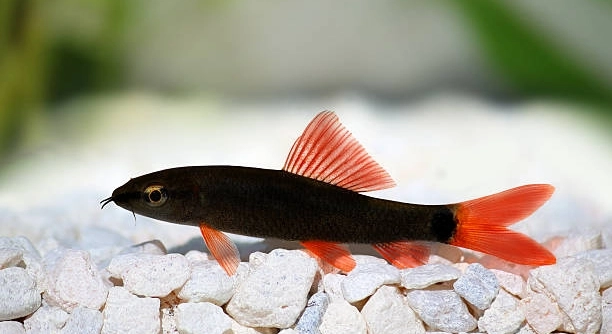
Rainbow sharks are popular freshwater fish known for their vibrant colors and active behavior. Many people enjoy keeping them in home aquariums as lively additions. Knowing how to spot signs of good health or illness is important for their care.
A healthy rainbow shark displays clear eyes, smooth scales, regular swimming patterns, and a good appetite. Sick fish may show faded colors, erratic swimming, clamped fins, or physical damage. Monitoring these signs helps ensure their well-being.
Recognizing these key signs early can prevent serious health problems and keep your rainbow shark thriving in its environment.
Clear and Bright Eyes
Healthy rainbow sharks have clear, bright eyes without any cloudiness or swelling. Cloudy eyes can be a sign of poor water quality or an infection. Watching your fish’s eyes closely gives you a good early indication of health. Sometimes, changes in eye clarity happen slowly, so regular checks are helpful.
Clear eyes show that your fish is free from illness affecting its vision or general condition.
Eye issues often relate to the tank’s environment. Dirty or chemically imbalanced water causes irritation and infections. Keeping water clean and testing regularly reduces risks. If your fish’s eyes look dull or swollen, it’s time to check water parameters and consider treatment options. Eye health connects closely to overall well-being, so do not ignore any changes.
Smooth and Intact Scales
Healthy rainbow sharks have smooth scales that lie flat against their body. Missing or raised scales can indicate injury or disease. Scales protect the fish and help keep infections out. Observing the condition of scales is one of the easiest ways to spot problems early.
Damaged scales may show signs of fin rot, parasites, or rough handling during tank cleaning.
If you notice damaged or missing scales, assess the tank for sharp objects or aggressive tank mates that might be causing harm. Stress can also cause fish to scratch or rub against surfaces, damaging their scales. Keeping decorations safe and monitoring fish interactions help prevent scale damage. Infections or parasites may require medication, so prompt attention improves recovery chances. A healthy fish will have smooth, shiny scales that reflect its good condition.
Regular and Active Swimming
A healthy rainbow shark swims steadily and actively around the tank. Erratic or sluggish swimming often signals stress or illness.
Consistent swimming behavior shows your fish is comfortable in its environment and free from distress. If your rainbow shark is hiding excessively or floating near the surface, it could mean a health issue. Tank size and water quality also affect activity levels. Ensuring enough space and clean water encourages natural movement.
Sometimes, sudden changes in swimming patterns are linked to infections or parasites. Watch for signs like darting, spinning, or resting too much. Addressing these symptoms early helps avoid worsening conditions. Regular observation of your fish’s movement can give you a clear picture of its health.
Good Appetite and Eating Habits
Healthy rainbow sharks eagerly eat their food and show interest during feeding times. A loss of appetite is one of the first signs of sickness.
Consistent eating habits indicate proper digestion and energy levels. When your fish refuses food, it may be dealing with internal problems or stress. Monitoring how much and how often your rainbow shark eats helps detect issues early.
If your rainbow shark is not eating well, check water quality and tank conditions. Sometimes, bullying from tank mates can also cause a fish to lose appetite. Adjust feeding routines and provide a calm environment. Nutritional balance in their diet supports overall health and vitality. Feeding a varied diet with quality pellets, frozen, or live foods helps keep them strong and happy.
Fins That Are Open and Unclamped
Healthy rainbow sharks keep their fins open and spread out when swimming. Clamped fins, which are held close to the body, often indicate stress or illness.
Watching the fins regularly can help spot early signs of disease or discomfort. Open fins show confidence and good health in your fish.
Consistent Color and Vibrancy
A healthy rainbow shark has bright, vivid colors that stay consistent over time. Fading or dull colors may signal stress, poor diet, or sickness.
Color changes can be subtle or sudden, depending on the cause. Maintaining clean water, a balanced diet, and low stress levels helps preserve their natural vibrancy.
No Signs of Physical Damage
Look for any cuts, sores, or bumps on your rainbow shark’s body. Healthy fish have smooth skin without visible wounds.
FAQ
How often should I check my rainbow shark’s health?
It’s best to observe your rainbow shark daily, even during feeding. Quick checks help spot any changes early. Watching behavior, color, and physical condition each day can prevent serious problems before they develop.
What should I do if my rainbow shark shows signs of illness?
First, test the water for ammonia, nitrite, nitrate, and pH levels. Poor water quality is a common cause of sickness. If water parameters are off, perform a partial water change and improve filtration. Next, isolate the sick fish in a quarantine tank if possible. Look for physical symptoms like spots, swelling, or fin damage. Treating with appropriate medication depends on the specific illness, so researching symptoms or consulting a vet can help.
Can diet affect the health of my rainbow shark?
Yes, diet plays a major role in keeping your fish healthy. Rainbow sharks are omnivores that need a mix of pellets, vegetables, and occasional live or frozen foods. Feeding too little or too much can cause health issues. Balanced nutrition supports immune function, coloration, and energy.
How important is tank size for my rainbow shark’s well-being?
Tank size is crucial. Rainbow sharks are active swimmers and require at least 30 gallons of space to move freely. A cramped tank can cause stress, which weakens their immune system and leads to illness. Providing enough room improves their overall health and behavior.
What are common diseases that affect rainbow sharks?
Common problems include fin rot, ich (white spot disease), and fungal infections. Fin rot causes fins to fray or look shredded. Ich appears as tiny white spots on the skin and fins. Fungal infections create fuzzy white patches. Early detection and treatment improve recovery chances.
How can I reduce stress for my rainbow shark?
Stress comes from poor water quality, aggressive tank mates, or frequent changes in the tank. Keep water clean, maintain a stable environment, and choose peaceful companions. Avoid overcrowding and sudden temperature swings. Stress weakens fish and makes them prone to illness.
Is it normal for rainbow sharks to hide a lot?
Some hiding is normal, especially during the day or after adding new tank mates. But excessive hiding can mean stress or illness. Check water parameters, tank conditions, and social dynamics if your fish spends most of its time hiding.
Can rainbow sharks live with other fish?
Yes, but choose tank mates carefully. Rainbow sharks can be territorial, especially in smaller tanks. Avoid other aggressive species or similar-shaped fish that may cause fights. Peaceful fish that occupy different tank levels usually work best.
How often should I clean my tank?
Regular maintenance is important. Partial water changes of 20-30% every week or two help keep water quality high. Clean the substrate and decorations gently to avoid disturbing beneficial bacteria. Over-cleaning or using harsh chemicals can harm your fish.
When should I seek professional help for my rainbow shark?
If you notice severe symptoms like loss of appetite for several days, rapid breathing, severe wounds, or sudden changes in behavior, it’s time to consult an expert. Professional advice or treatment can save your fish’s life in critical cases.
Taking care of a rainbow shark means paying close attention to its health every day. Watching for signs like clear eyes, smooth scales, and regular swimming helps you know when your fish is doing well. If you notice anything unusual, such as clamped fins or dull colors, it is important to act quickly. Early detection of health problems often makes the difference between a quick recovery and a serious illness. Keeping the tank clean and maintaining proper water conditions supports the fish’s overall well-being.
Feeding your rainbow shark a balanced diet is also key to its health. They need a variety of foods, including pellets, vegetables, and occasional live or frozen treats. Overfeeding or underfeeding can cause problems, so it is important to find the right balance. When your fish eats regularly and shows interest in food, it usually means they are healthy and comfortable in their environment. Stress from poor tank conditions or aggressive tank mates can affect eating habits, so creating a calm and safe home is helpful.
Finally, regular tank maintenance and choosing the right tank size help your rainbow shark thrive. A tank that is too small or overcrowded can cause stress, making the fish more prone to disease. Performing partial water changes often and avoiding sudden changes in water temperature or chemistry keeps your fish healthy. Remember, every fish is different, and close observation is the best way to understand your rainbow shark’s needs. With care and attention, you can enjoy a lively and colorful fish for many years.

Hello,
If you enjoy the content that we create, please consider saying a "Thank You!" by leaving a tip.
Every little bit helps us continue crafting quality advice that supports the health, happiness, and well-being of pets around the world, for pets of all shapes, sizes, and species.
We really appreciate the kindness and support that you show us!