
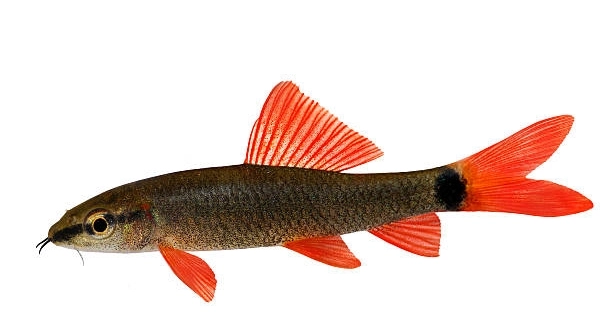
Rainbow sharks are popular freshwater fish known for their vibrant colors and active behavior. Many owners enjoy their presence but worry about their social needs in home aquariums. Understanding how to prevent loneliness in rainbow sharks is important for their wellbeing.
Rainbow sharks are territorial and may become stressed if kept alone without proper tank mates or environmental enrichment. Providing companions, adequate space, hiding spots, and varied stimulation reduces loneliness and supports their natural behaviors.
Learning how to keep your rainbow shark engaged will improve its health and happiness. This article covers practical ways to create a balanced environment for these lively fish.
Provide Suitable Tank Mates
Choosing compatible tank mates is essential to prevent your rainbow shark from feeling isolated. Rainbow sharks can be territorial, so avoid overly aggressive or very passive fish. Medium-sized, peaceful species that occupy different tank levels work best. Good companions include danios, barbs, or certain types of catfish. Keep the tank spacious enough to reduce conflicts and allow swimming room for all fish. Proper tank mates create a balanced environment where your rainbow shark can interact without constant stress. Avoid overcrowding, as this can increase aggression and reduce water quality, negatively affecting all inhabitants.
A well-planned community tank reduces loneliness while maintaining harmony among fish. Careful selection supports natural behaviors and limits stress for your rainbow shark.
Setting up the right tank mates means observing fish behavior regularly. If any signs of aggression or stress appear, adjustments may be necessary. Giving your rainbow shark space and companions that suit its temperament encourages a healthy and active lifestyle.
Enrich the Environment
Environmental enrichment is key to keeping your rainbow shark mentally and physically active. Adding plants, rocks, and hiding spots mimics their natural habitat, making them feel secure. Variety in the tank prevents boredom and reduces aggressive tendencies. Creating different zones encourages exploration and swimming exercise. Use sturdy plants since rainbow sharks may dig or uproot delicate ones. Driftwood or smooth decorations also provide resting areas. Changing the layout periodically can renew interest and stimulate curiosity. A dynamic environment supports their natural instincts and reduces stress-related behaviors.
Enrichment helps fish feel comfortable and engaged within their space.
Providing a stimulating habitat goes beyond decoration. Rainbow sharks are bottom dwellers that enjoy hiding and exploring. Adding caves, tunnels, and shaded areas gives them refuge when feeling threatened or stressed. This reduces dominance conflicts and territorial disputes. Regularly monitoring the environment ensures it remains clean and well-maintained, which is critical for fish health. Adjustments should focus on balancing open swimming areas with adequate shelter. The combination of physical structures and varied textures keeps the fish interested and active. Proper enrichment supports mental wellbeing, which is just as important as physical care. This approach prevents lethargy and destructive behaviors often seen in understimulated fish. Maintaining such an environment encourages natural activity patterns and enhances overall happiness in your aquarium.
Maintain Proper Water Conditions
Stable water conditions are crucial for your rainbow shark’s comfort and social behavior. Frequent changes or poor quality can cause stress, making your fish more prone to loneliness or aggression. Regular testing and maintenance help keep the tank environment healthy.
Keeping water parameters steady supports your rainbow shark’s natural behavior and wellbeing. Ideal water temperature ranges between 72°F and 79°F, with a pH of 6.5 to 7.5. Ammonia, nitrite, and nitrate levels must be monitored closely, as elevated toxins can lead to illness and stress. Performing regular partial water changes, about 20-30% weekly, maintains water quality and reduces harmful waste buildup. Using a good filtration system also ensures clean and oxygen-rich water. Avoid sudden shifts in temperature or chemistry, which can disturb fish and cause erratic behavior. Consistent water conditions reduce stress levels, which helps your rainbow shark feel secure and less isolated in its environment.
Proper water care also involves cleaning substrate and decorations to prevent debris buildup. Neglected tanks can promote harmful bacteria and algae growth, which may upset the fish. By maintaining clean, stable water, your rainbow shark stays healthy and active, showing natural social behaviors.
Offer a Balanced Diet
Feeding your rainbow shark a nutritious, varied diet supports its physical health and reduces stress-related behaviors. Providing high-quality pellets, supplemented with live or frozen foods, meets their dietary needs and encourages natural foraging.
A balanced diet improves energy levels and overall vitality in rainbow sharks. Commercial sinking pellets designed for omnivores are a convenient staple. Supplement with brine shrimp, bloodworms, or daphnia occasionally to add variety and stimulate interest. Incorporating fresh vegetables like blanched zucchini or spinach adds fiber and nutrients. Feeding small amounts two to three times daily prevents overfeeding and keeps water quality stable. Proper nutrition helps the fish maintain a healthy immune system, reducing vulnerability to disease. Rainbow sharks with adequate diets display more active and less aggressive behavior, improving their interactions with tank mates. A varied diet also mimics natural feeding habits, which is important for mental stimulation.
Consistent feeding routines help regulate behavior and reduce stress, which can be linked to loneliness. Avoid sudden diet changes, as they may upset the fish’s digestion and appetite. Proper nutrition, combined with a well-maintained environment, creates conditions for a thriving rainbow shark.
Regular Interaction and Observation
Spending time observing your rainbow shark helps you notice changes in behavior or health early. Gentle interaction, like tapping the tank softly, can stimulate their curiosity without causing stress.
Regular observation builds your understanding of their normal habits. This helps identify signs of loneliness, illness, or aggression quickly, allowing timely adjustments.
Avoid Overcrowding
Too many fish in one tank increases competition for space and resources. Overcrowding often leads to stress and aggression in rainbow sharks, which worsens loneliness rather than improving social conditions.
Maintaining an appropriate number of fish ensures a peaceful environment. Each rainbow shark needs enough territory to thrive without feeling threatened. Space allows natural behaviors, improving their overall wellbeing.
Use Lighting to Simulate Natural Cycles
Proper lighting mimics natural day and night cycles, which benefits your rainbow shark’s health and behavior. A consistent light schedule supports their internal rhythms and reduces stress.
Balanced lighting encourages regular activity and rest periods, making your fish feel secure and engaged in their environment.
How can I tell if my rainbow shark is lonely?
A lonely rainbow shark may show signs like reduced activity, hiding more often, or appearing stressed. They might become aggressive toward tank mates or lose appetite. Watching for these behavior changes helps you address loneliness early and improve their environment.
Can rainbow sharks live alone?
Rainbow sharks can survive alone but often do better with tank mates or environmental stimulation. They are territorial and may become stressed without companions or enough space to explore. Providing hiding spots and enrichment can reduce loneliness even in a single-fish tank.
What are the best tank mates for a rainbow shark?
Suitable tank mates include peaceful, medium-sized fish such as danios, barbs, and some catfish species. These fish occupy different parts of the tank and reduce territorial disputes. Avoid aggressive or very small fish to prevent stress and conflict.
How large should my tank be for a rainbow shark?
A minimum of 30 gallons is recommended for one rainbow shark. Larger tanks provide more space for territories and reduce stress. When adding tank mates, increase tank size accordingly to maintain balance and prevent overcrowding.
How often should I clean the tank?
Perform partial water changes of about 20-30% weekly. Regular cleaning of the substrate and decorations helps maintain water quality. Clean tanks reduce toxins that can stress fish and contribute to loneliness or aggressive behavior.
What diet should I feed my rainbow shark?
Feed high-quality sinking pellets designed for omnivores as the main diet. Supplement with live or frozen foods like bloodworms, brine shrimp, and vegetables such as zucchini or spinach. Feeding two to three small meals daily supports their health and activity.
How important is tank decoration for rainbow sharks?
Tank decorations are very important. Plants, rocks, and caves provide hiding spots and areas to explore. This reduces stress and boredom. Sturdy plants and smooth decorations are best because rainbow sharks may dig or swim actively around them.
Can lighting affect my rainbow shark’s behavior?
Yes. Proper lighting that simulates natural day and night cycles helps regulate their internal rhythms. Consistent light schedules encourage natural activity and rest, reducing stress and promoting healthier behavior.
What should I do if my rainbow shark shows aggression?
If aggression occurs, check tank size and population density first. Add more hiding places or rearrange decorations to break up territories. Consider separating overly aggressive individuals temporarily. Monitoring water quality and diet can also influence behavior.
Is it normal for rainbow sharks to hide a lot?
Rainbow sharks do like hiding spots, especially when stressed or during rest. However, excessive hiding may indicate poor water quality, illness, or social stress. Ensure the environment is clean, spacious, and enriched to encourage balanced behavior.
How can I stimulate my rainbow shark mentally?
Change tank layout occasionally, add new decorations, and provide varied foods to encourage natural foraging. Interaction through gentle tapping or movement outside the tank can also pique their curiosity without causing stress.
Are rainbow sharks nocturnal?
Rainbow sharks are mostly active during the day but may show crepuscular behavior—being more active at dawn and dusk. Proper lighting helps maintain this pattern, encouraging healthy activity cycles.
Can rainbow sharks tolerate other shark species?
Mixing different shark species can be risky because many are territorial. If housed together, ensure the tank is large and provides plenty of hiding places. Observe closely for signs of aggression and be prepared to separate if needed.
What water parameters are ideal for rainbow sharks?
Maintain water temperature between 72°F and 79°F, pH levels between 6.5 and 7.5, and low ammonia, nitrite, and nitrate concentrations. Stable, clean water reduces stress and promotes health and social behavior.
How do I know if my rainbow shark is healthy?
A healthy rainbow shark is active, eats well, and displays bright colors. Their fins should be intact, and scales smooth. Lack of spots, swelling, or unusual behavior indicates good health. Regular observation helps catch problems early.
Taking good care of your rainbow shark involves more than just feeding and cleaning the tank. These fish need a balanced environment that supports their natural behavior and social needs. By choosing suitable tank mates, keeping water conditions stable, and providing plenty of hiding spots, you create a comfortable space where your rainbow shark can thrive. Attention to these details helps reduce stress and loneliness, which are common problems in home aquariums. When a rainbow shark feels secure and engaged, it is more likely to display healthy and active behavior.
Maintaining proper water quality is essential for the health and happiness of your rainbow shark. Regular water testing and partial water changes keep the tank environment clean and free from harmful toxins. Balanced water temperature and pH levels also play a critical role in reducing stress. Stress weakens fish and can lead to aggression or illness. In addition, feeding your rainbow shark a varied and nutritious diet supports its immune system and energy levels. A healthy fish is more resilient and better able to interact with other tank inhabitants, reducing the chance of loneliness.
Finally, creating an enriched environment with plants, decorations, and places to hide is very important. These elements simulate a natural habitat and give your rainbow shark opportunities to explore and feel safe. Changing the layout occasionally and offering new objects keeps the fish interested and active. Regular observation helps you notice changes in behavior or health so you can respond quickly. Taking these steps ensures your rainbow shark lives a longer, happier life and enjoys a social and stimulating aquarium experience.

Hello,
If you enjoy the content that we create, please consider saying a "Thank You!" by leaving a tip.
Every little bit helps us continue crafting quality advice that supports the health, happiness, and well-being of pets around the world, for pets of all shapes, sizes, and species.
We really appreciate the kindness and support that you show us!