
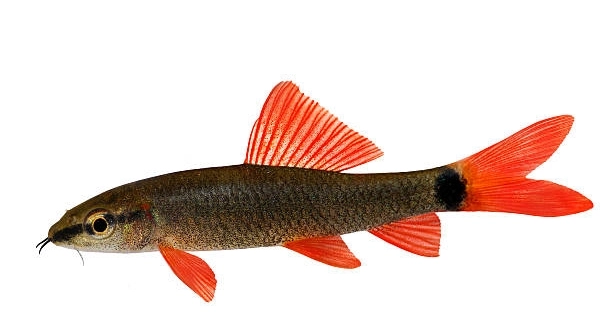
Rainbow sharks are popular freshwater fish, known for their sleek bodies and vibrant colors. However, keeping them in home aquariums can sometimes lead to population problems. Overpopulation can affect tank health and the well-being of all aquatic life inside.
Rainbow shark overpopulation is primarily caused by uncontrolled breeding, insufficient tank size, lack of natural predators, excess food supply, poor water quality, inadequate tank maintenance, and inappropriate tank mates. These factors create an environment where their numbers grow beyond manageable limits.
Managing rainbow shark populations requires understanding these causes and applying proper tank care techniques. Addressing these issues will help maintain a balanced and healthy aquarium environment for all its inhabitants.
Uncontrolled Breeding and Its Impact
Rainbow sharks breed rapidly when conditions are favorable. In home aquariums, this often happens because of the absence of natural controls like predators. When these fish reproduce without limits, the tank quickly becomes overcrowded. Overcrowding stresses all fish, leading to poor health and increased aggression. Fish need space to swim and hide, but too many individuals reduce these necessary areas. Overpopulation also raises waste levels, which harms water quality. Keeping the number of rainbow sharks in check helps maintain a healthier environment and reduces the risk of disease. It is important to monitor the fish population regularly and separate breeding pairs if needed.
Managing breeding means preventing excess reproduction and maintaining a balanced number of fish. This approach supports both the rainbow sharks and other tank inhabitants by promoting stability in the aquarium.
Proper tank size and care help control breeding. Removing excess fish and introducing natural predators where possible are effective solutions.
Insufficient Tank Size
An aquarium that is too small can cause many problems for rainbow sharks. These fish grow quickly and require enough space to swim freely. When the tank is cramped, stress and aggression increase, which can harm the fish. Small tanks also lead to rapid pollution buildup because waste is concentrated in a limited area. This environment is unhealthy and encourages overpopulation issues since fish cannot be separated easily. Larger tanks provide a better habitat by giving fish more room to move and establish territories. It is essential to select a tank size that matches the number of rainbow sharks and their expected growth.
Choosing the right tank size improves water quality and fish behavior, reducing the chance of overpopulation and stress-related illnesses.
A minimum of 55 gallons is recommended for a small group of rainbow sharks. Additional filtration systems and regular water changes help maintain cleanliness. Proper setup ensures that rainbow sharks thrive without crowding, leading to a more balanced and enjoyable aquarium experience.
Lack of Natural Predators
Without natural predators, rainbow shark populations can grow unchecked in aquariums. This absence allows for constant reproduction and survival of all offspring, contributing to overpopulation.
Natural predators help balance ecosystems by controlling fish numbers. In home tanks, there are fewer or no predators to limit rainbow shark breeding. Introducing compatible species that can coexist without harming the rainbow sharks may help. However, careful selection is necessary to avoid stress or injury. Predators also encourage more natural behavior and territorial balance. Without this control, population growth continues unchecked, causing overcrowding. Managing tank mates thoughtfully supports a healthier environment and reduces excess rainbow shark numbers.
Balancing predator-prey relationships naturally limits population growth and encourages stability in the tank.
Excess Food Supply
Excess food in the tank promotes rapid reproduction among rainbow sharks. When food is plentiful, fish gain energy to breed more often and survive longer.
Overfeeding not only supports overpopulation but also worsens water quality. Uneaten food decomposes, increasing toxins like ammonia and nitrates. This damages the aquatic environment and stresses fish, causing health problems. Feeding only the necessary amount helps reduce excess waste and controls reproduction rates. It is important to observe how much food the fish consume and adjust accordingly. Regular cleaning removes leftover food, maintaining water clarity and safety. Proper feeding routines limit overpopulation by preventing unnecessary energy surplus and keeping the tank clean.
Controlling food amounts and maintaining cleanliness are crucial steps to manage rainbow shark numbers effectively.
Poor Water Quality
Poor water quality stresses rainbow sharks and encourages rapid breeding as a survival response. Polluted water causes fish to reproduce quickly but also weakens their immune systems.
Regular water changes and good filtration keep tanks clean. Maintaining water parameters within safe limits supports fish health and helps control population growth naturally.
Inadequate Tank Maintenance
Failing to clean the tank and filter regularly worsens living conditions. Waste buildup and debris create an unhealthy environment that promotes overpopulation and disease.
Routine maintenance, including gravel vacuuming and filter checks, prevents excessive waste accumulation. This care improves fish health and reduces stress-induced breeding in rainbow sharks.
Inappropriate Tank Mates
Some fish species either stress rainbow sharks or fail to compete, disrupting balance. Incompatible tank mates can increase aggression or allow unchecked breeding.
Choosing peaceful, compatible fish helps maintain harmony. Balanced communities reduce stress and population imbalances, keeping rainbow sharks healthier and better controlled.
How can I tell if my rainbow shark population is too high?
Overcrowding signs include aggressive behavior, frequent chasing, and visible stress like faded colors or torn fins. You may notice poor water quality despite regular cleaning. Fish may hide more or compete heavily for space. Monitoring these behaviors helps assess if the population needs reducing.
What steps can I take to reduce rainbow shark overpopulation?
Start by evaluating tank size and separating excess fish if possible. Improve water quality with frequent changes and proper filtration. Avoid overfeeding and introduce compatible tank mates that balance the ecosystem. Controlling breeding through separation of males and females can prevent uncontrolled population growth.
Is breeding rainbow sharks in home aquariums common?
Yes, rainbow sharks can breed in captivity if conditions are right. Favorable water parameters, adequate food, and absence of predators encourage reproduction. Many hobbyists find their population growing unexpectedly due to unnoticed breeding.
Can natural predators help control rainbow shark numbers in tanks?
Introducing natural predators can be helpful but must be done carefully. Predators should be compatible species that do not harm the rainbow sharks aggressively. Suitable predators help maintain population balance and reduce overbreeding without causing stress or injury.
How important is tank size for managing rainbow shark populations?
Tank size is crucial. Small tanks limit space and increase stress, which can lead to aggression and breeding issues. Larger tanks provide enough territory for each fish, reducing conflicts and helping control population density naturally.
What role does food supply play in rainbow shark overpopulation?
Excess food supports faster breeding and survival. Overfeeding leads to uneaten food, which pollutes the water and stresses fish. Controlled feeding limits energy available for reproduction and maintains better water quality.
How often should I clean my aquarium to prevent overpopulation issues?
Regular cleaning is essential. Partial water changes weekly or biweekly, combined with gravel vacuuming and filter maintenance, prevent waste buildup. Clean tanks support fish health and discourage stress-driven breeding.
Are certain tank mates better for controlling rainbow shark populations?
Yes, peaceful and similarly sized fish help maintain balance. Aggressive or very passive species can disrupt harmony, either stressing rainbow sharks or allowing unchecked breeding. Selecting compatible species promotes a healthier, stable tank environment.
Can poor water quality cause rainbow sharks to breed more?
Poor water quality stresses fish, which sometimes triggers increased breeding as a survival mechanism. Maintaining proper water parameters reduces this stress and helps control population growth naturally.
What is the best way to prevent uncontrolled breeding of rainbow sharks?
Separating males and females, limiting food supply, and maintaining ideal tank conditions prevent uncontrolled breeding. Monitoring fish behavior and population regularly helps catch issues early and manage numbers effectively.
Can overcrowding in the tank lead to disease?
Overcrowding increases stress and waste, lowering fish immunity. This creates an environment where diseases spread quickly, harming the entire aquarium community. Proper population control is vital to disease prevention.
Is it possible to rehome excess rainbow sharks?
Yes, rehoming is a responsible solution. Many local fish stores or aquarium clubs accept extra fish. Finding new homes reduces tank population and supports fish welfare.
How do I know if my tank filtration is sufficient?
If water remains clear, parameters stay stable, and fish appear healthy, filtration is likely adequate. If waste builds up quickly or fish show signs of stress, upgrading filters or increasing cleaning frequency may be necessary.
Can stress from incompatible tank mates increase rainbow shark reproduction?
Stress can cause erratic behavior and sometimes increased breeding. Choosing compatible, peaceful species reduces stress and helps maintain normal reproduction rates and healthier fish behavior.
What is the ideal water temperature for rainbow sharks to minimize overpopulation risks?
Rainbow sharks thrive between 72°F and 79°F. Temperatures outside this range cause stress, which can trigger unexpected breeding or weaken fish health. Maintaining stable, ideal temperatures helps regulate their behavior.
Does lighting affect rainbow shark breeding?
Lighting influences fish activity and breeding cycles. Too much light may encourage reproduction, while natural light cycles help maintain balance. Adjusting lighting to mimic natural conditions supports a stable tank environment.
How can I safely separate breeding pairs without stressing them?
Use divider nets or separate tanks with proper hiding spaces. Minimize handling and maintain consistent water conditions during separation to reduce stress and support healthy fish behavior.
Are there signs that a rainbow shark is ready to breed?
Males often develop brighter colors and may become territorial. Females show fuller bodies when gravid. Increased chasing and mating behavior indicate readiness. Recognizing these signs helps manage breeding proactively.
What common mistakes lead to rainbow shark overpopulation?
Overfeeding, inadequate tank size, poor maintenance, ignoring breeding signs, and lack of compatible tank mates often cause population issues. Regular monitoring and proper care prevent these mistakes and maintain balance.
Can plants or decorations help control overpopulation effects?
Plants and decorations provide hiding spots and break sightlines, reducing aggression and stress. They do not control population directly but improve fish well-being and tank harmony.
Is breeding control different for juvenile and adult rainbow sharks?
Juveniles should be monitored closely as they mature quickly. Adults require separation or population management to avoid excessive breeding. Early intervention helps prevent overpopulation later.
How does overpopulation affect other fish in the tank?
Overcrowding causes competition for food and space, increases aggression, and reduces oxygen levels. These factors harm all fish, leading to illness and higher mortality rates.
What are the signs of stress in rainbow sharks due to overpopulation?
Signs include hiding, loss of color, frayed fins, lethargy, and unusual swimming patterns. Addressing overpopulation helps alleviate stress and improves fish health.
Is it necessary to consult a specialist for severe overpopulation problems?
Yes, experienced aquarists or veterinarians can provide tailored advice. Severe cases may require advanced solutions like professional fish removal or treatment plans.
What long-term benefits come from controlling rainbow shark populations?
Balanced populations improve water quality, reduce disease risk, enhance fish behavior, and create a more enjoyable aquarium experience for owners and fish alike.
Managing the population of rainbow sharks in an aquarium is important for keeping the environment healthy and balanced. When their numbers grow too large, it affects not only the rainbow sharks but all the fish sharing the tank. Overcrowding leads to stress, poor water quality, and aggressive behavior, which can cause illness and even death. Taking steps to control their population helps maintain a stable and peaceful habitat where all fish can thrive. This requires paying attention to several factors such as breeding, tank size, and water conditions.
One of the key points in managing rainbow shark populations is preventing uncontrolled breeding. Since they reproduce quickly in favorable conditions, separating males and females or monitoring breeding behavior is essential. Providing an adequately sized tank gives the fish enough space to swim and reduces conflicts that may lead to stress. Proper feeding habits also play a role in controlling overpopulation. Feeding fish only the necessary amount avoids excess food that encourages rapid breeding and pollutes the water. Keeping the tank clean and maintaining good water quality supports fish health and prevents the harmful effects of overcrowding.
Choosing the right tank mates and introducing natural predators where suitable can help maintain balance in the aquarium. Compatible species reduce stress and aggression while encouraging a more natural ecosystem. Regular maintenance, including water changes and filter cleaning, is necessary to keep conditions ideal. Managing rainbow shark populations is not a one-time task but an ongoing responsibility. With consistent care and attention, the aquarium remains a healthy and enjoyable space. This ensures the well-being of rainbow sharks and all other aquatic life living together.

Hello,
If you enjoy the content that we create, please consider saying a "Thank You!" by leaving a tip.
Every little bit helps us continue crafting quality advice that supports the health, happiness, and well-being of pets around the world, for pets of all shapes, sizes, and species.
We really appreciate the kindness and support that you show us!