
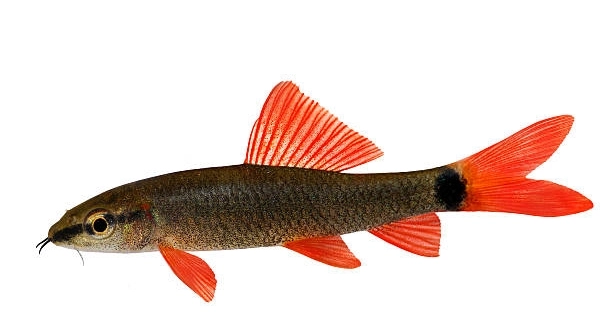
Rainbow sharks are popular freshwater fish that bring life to home aquariums. They need a comfortable and secure environment to thrive. Making them feel safe is important for their health and behavior.
To make your rainbow shark feel more secure, provide ample hiding spots, maintain stable water conditions, avoid overcrowding, and ensure a peaceful tank environment. Consistent care and a well-structured habitat reduce stress and encourage natural behavior.
Knowing how to create a calm and secure space can improve your fish’s well-being and help you enjoy a happier, healthier tank.
Create Plenty of Hiding Spots
Rainbow sharks feel safer when they have places to hide. Rocks, caves, and plants offer shelter and reduce stress. These fish are naturally shy and like to retreat when they feel threatened or overwhelmed. Providing multiple hiding spots lets them choose where to feel comfortable. It also helps prevent conflicts with other tank mates by giving space to avoid each other. When setting up the tank, make sure hiding places are spread out and easy to access. Use decorations that mimic their natural environment, like driftwood or dense foliage. Avoid sharp edges that could injure your fish while moving around. Hiding spots should be large enough for the shark to swim in and out freely. Over time, you will notice your rainbow shark exploring these safe areas, which shows it feels secure in its surroundings. A well-decorated tank creates a healthier and more relaxed fish.
Hiding spots are essential for reducing stress and encouraging natural behavior in rainbow sharks.
Offering safe retreats helps your rainbow shark feel more in control and less vulnerable in its tank environment.
Maintain Stable Water Conditions
Stable water quality is vital for your rainbow shark’s security and health. These fish are sensitive to sudden changes in temperature, pH, and ammonia levels. Rapid fluctuations can cause stress, weaken their immune system, and even lead to illness. To keep water stable, test it regularly with reliable kits and perform consistent partial water changes. Avoid overcrowding the tank, as too many fish create waste and disrupt balance. The ideal temperature range is between 74°F and 80°F, and the pH should stay near neutral, around 6.5 to 7.5. Use a good filtration system to keep the water clean and oxygenated. Monitoring these factors daily or weekly helps catch problems early before they affect your fish. When water conditions remain steady, rainbow sharks behave more naturally and appear less skittish. Keeping the tank environment consistent is one of the best ways to support your fish’s well-being over time.
Avoid Overcrowding the Tank
Too many fish create stress and competition for your rainbow shark. This can make it feel unsafe and anxious.
Keeping the tank population balanced prevents aggression and territorial disputes. Rainbow sharks need enough space to swim and establish their own area. Crowded tanks increase waste levels, affecting water quality and the fish’s health. Overcrowding also limits access to hiding spots and food, which can lead to constant stress. A larger tank or fewer fish helps your rainbow shark feel more at ease. Observing the fish’s behavior can indicate if the tank is too full. Signs like constant chasing or hiding suggest it’s time to reduce numbers or rearrange decorations to create more space.
Proper stocking ensures your rainbow shark can swim freely and maintain its natural habits without fear or stress.
Provide a Peaceful Environment
Rainbow sharks are sensitive to loud noises and sudden movements near the tank. A calm atmosphere reduces stress and helps them feel secure. Avoid placing the tank in busy areas or near loud appliances. Sudden vibrations or banging can startle your fish, causing erratic swimming or hiding. Soft, consistent lighting also supports a peaceful setting. Bright, flashing lights may trigger fear or discomfort. Keeping the tank environment stable allows the shark to develop trust and display natural behaviors. A quiet and stable space supports the overall health and happiness of your fish.
Feed a Balanced Diet
A varied diet keeps your rainbow shark healthy and calm. Proper nutrition supports its immune system and energy levels.
Offering high-quality pellets, live or frozen foods, and occasional vegetables helps meet dietary needs. Avoid overfeeding to prevent water quality issues.
Monitor Behavior Regularly
Regular observation helps spot changes in your rainbow shark’s behavior that could indicate stress or illness. Early detection allows for quicker responses.
Watch for signs like reduced activity, hiding more than usual, or changes in appetite. These behaviors may signal environmental problems or health issues.
Keep the Tank Clean
A clean tank reduces stress and supports your fish’s health. Remove uneaten food and waste regularly to maintain water quality.
Proper cleaning routines prevent harmful bacteria buildup, creating a safer environment where your rainbow shark can thrive comfortably.
FAQ
How often should I feed my rainbow shark?
Feeding your rainbow shark once or twice a day is enough. Give only as much food as they can eat within a few minutes. Overfeeding can pollute the tank and stress your fish. Offering a varied diet with high-quality pellets, live, or frozen foods keeps them healthy and satisfied.
What tank size is best for a rainbow shark?
A tank of at least 30 gallons is recommended for one rainbow shark. They need space to swim and establish territory. Larger tanks help reduce aggression and stress, especially if you plan to keep other fish. More space means a more balanced environment for your shark.
Can rainbow sharks live with other fish?
Yes, but choose tank mates carefully. Rainbow sharks can be territorial, especially in small tanks. Good companions are peaceful species that occupy different tank levels, like tetras or danios. Avoid keeping multiple rainbow sharks together unless the tank is very large.
Why does my rainbow shark hide so much?
Hiding is a natural behavior when the fish feels stressed or insecure. Lack of hiding spots, sudden changes in water conditions, or aggressive tank mates can cause this. Providing caves and plants helps them feel safe and encourages more active swimming.
How do I know if my rainbow shark is stressed?
Signs of stress include erratic swimming, loss of appetite, excessive hiding, or color fading. These can result from poor water quality, overcrowding, or sudden environmental changes. Regularly check water parameters and tank conditions to keep stress low.
What is the ideal water temperature for rainbow sharks?
Rainbow sharks thrive in temperatures between 74°F and 80°F. Keeping the temperature steady within this range is important, as fluctuations can cause stress and illness. Use a reliable heater and thermometer to monitor tank temperature consistently.
How often should I change the water?
Perform partial water changes of about 20-30% once a week. Regular changes help remove toxins and keep water parameters stable. Avoid changing too much water at once, which can shock the fish. Keeping the tank clean is key to a secure environment.
What should I do if my rainbow shark is aggressive?
Aggression often results from stress or territorial behavior. Ensure the tank is large enough and has enough hiding spots. Reducing the number of fish or rearranging decorations can help break up territories. Avoid keeping multiple rainbow sharks in small tanks.
Can I keep more than one rainbow shark together?
Only in very large tanks with plenty of space and hiding spots. Rainbow sharks are territorial and may fight if crowded. If you keep more than one, watch closely for aggressive behavior and be prepared to separate them if needed.
Are rainbow sharks nocturnal?
Rainbow sharks are mostly active during the day but can be more active in low light. They use hiding spots to rest and feel secure. Providing a natural light cycle with a timer can help regulate their activity and reduce stress.
Rainbow sharks can be wonderful additions to a home aquarium when their needs are properly met. Creating a secure and comfortable environment helps reduce their stress and supports healthy behavior. By providing hiding spots, stable water conditions, and a peaceful setting, you give your fish the best chance to thrive. These simple steps not only improve your rainbow shark’s well-being but also make it more enjoyable to watch and care for. A well-maintained tank with a balanced ecosystem encourages natural activity and reduces problems that come from fear or discomfort.
Consistency is important in caring for rainbow sharks. Keeping the water parameters steady, avoiding overcrowding, and feeding a balanced diet all contribute to a calm and healthy fish. Regular observation allows you to spot early signs of stress or illness, so you can take action before problems worsen. Over time, you will learn to understand your fish’s behavior and adjust the tank setup to meet its needs better. Remember that each rainbow shark may have its own personality and preferences, so patience is key. Providing a safe space and predictable routine helps your fish feel secure and less likely to display aggression or hiding.
Taking care of rainbow sharks requires attention to detail but does not have to be complicated. Small changes in the tank environment can have a big impact on how your fish feels. Focus on creating a habitat that mimics their natural surroundings as much as possible, with plenty of space and shelter. Keep noise and sudden movements near the tank to a minimum, and maintain good water quality. These actions make a difference in reducing stress and supporting long-term health. Ultimately, your care and effort will lead to a more peaceful tank and a happier rainbow shark that adds color and life to your home.

Hello,
If you enjoy the content that we create, please consider saying a "Thank You!" by leaving a tip.
Every little bit helps us continue crafting quality advice that supports the health, happiness, and well-being of pets around the world, for pets of all shapes, sizes, and species.
We really appreciate the kindness and support that you show us!