
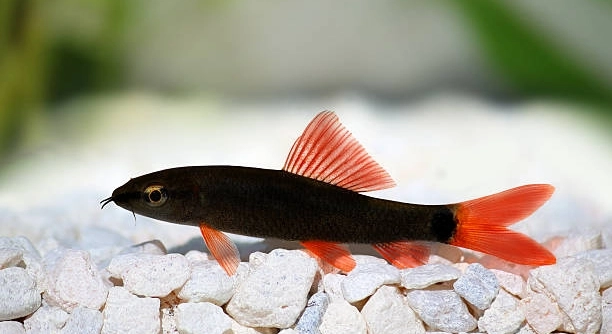
Rainbow sharks are popular freshwater fish known for their vibrant colors and active nature. Many aquarium owners enjoy watching their unique swimming patterns and behavior. However, sometimes these fish develop behavior problems that can be puzzling or frustrating.
Rainbow shark behavior problems are usually caused by stress, poor water quality, inadequate tank size, aggressive tank mates, improper diet, lack of hiding places, or illness. Identifying these causes helps in applying effective solutions to maintain a healthy and peaceful aquarium environment.
Understanding these causes can improve your fish’s wellbeing and create a more enjoyable tank experience for both you and your rainbow sharks.
Stress and Overcrowding
Rainbow sharks often show signs of aggression or nervous behavior when they feel stressed. Stress can come from being kept in a tank that is too small or overcrowded. These fish need space to swim freely and establish their own territory. When many fish compete for limited room, it can lead to constant chasing and biting. Stress weakens their immune system, making them more vulnerable to disease. Providing enough space is essential to keep stress levels low. A tank size of at least 30 gallons is recommended for one rainbow shark, with more space needed for additional fish.
Overcrowding causes both stress and territorial disputes among rainbow sharks, leading to behavior problems.
A larger tank helps reduce stress by giving rainbow sharks room to swim without feeling threatened. Adding plants and hiding spots also lets them escape from aggressive neighbors. Keep an eye on tank population and upgrade the size when necessary to maintain peace.
Poor Water Quality
Dirty or unbalanced water can make rainbow sharks irritable and sick. These fish need clean, well-filtered water with stable temperature and pH levels. Ammonia, nitrite, or nitrate spikes are harmful and cause discomfort. Regular water testing is important to catch problems early. Changing 20-30% of the water weekly keeps conditions healthy. Avoid overfeeding to reduce waste buildup. Proper filtration and aeration support good water quality and fish health.
Water quality directly affects fish behavior and health.
Poor water conditions create stress and can cause unusual behavior such as hiding or aggression. Monitoring water parameters closely and keeping the tank clean prevents these issues and promotes calm behavior in rainbow sharks.
Aggressive Tank Mates
Rainbow sharks can become aggressive when housed with incompatible fish. They are territorial and may attack smaller or slower fish that invade their space. Choosing peaceful tank mates reduces conflict and stress.
Keeping rainbow sharks with other semi-aggressive or fast-moving species works best. Avoid slow, timid fish that may become targets. Suitable companions include larger tetras or danios that can hold their own. Introducing tank mates gradually also helps establish boundaries without causing fights.
Proper tank mate selection minimizes stress and aggressive behavior. Monitor interactions and separate fish if aggression becomes severe. This approach promotes a calmer and healthier aquarium environment.
Inadequate Hiding Places
Rainbow sharks need hiding spots to feel secure. Without enough cover, they become stressed and display erratic or defensive behavior. Providing plants, caves, or decorations creates safe retreats.
Hiding places reduce conflict by allowing shy or bullied fish to escape. They also encourage natural behavior and help rainbow sharks rest comfortably. Arranging multiple shelters throughout the tank prevents one fish from controlling all safe zones.
In a tank without sufficient cover, rainbow sharks may constantly chase each other or hide excessively. Adding diverse hiding spots supports a balanced social dynamic and reduces stress-induced behavior problems.
Improper Diet
Rainbow sharks need a balanced diet to stay healthy and calm. Feeding only flakes or pellets can cause nutritional deficiencies and lead to behavior problems.
Including live or frozen foods like bloodworms or brine shrimp improves their health and reduces aggression. Variety in diet keeps them active and less stressed.
Illness and Parasites
Sick rainbow sharks often behave unusually, such as hiding, lethargy, or rubbing against objects. Parasites or infections can cause discomfort, making fish irritable or less active. Prompt diagnosis and treatment are essential to prevent worsening symptoms and protect other tank inhabitants.
Lack of Exercise
Rainbow sharks are active swimmers that need space to move. Without enough room, they become restless or aggressive. Regularly providing an appropriate tank size helps maintain their natural behavior and reduces stress.
FAQ
Why is my rainbow shark chasing other fish?
Rainbow sharks are naturally territorial, especially in smaller tanks. When space is limited, they may chase others to defend their area. Aggression increases if hiding places are scarce or tank mates are too slow or small. Providing more space, suitable companions, and plenty of cover usually helps reduce chasing behavior.
How can I tell if my rainbow shark is stressed?
Signs of stress include hiding excessively, rapid breathing, loss of color, and unusual aggression or lethargy. Stress may also cause them to refuse food or swim erratically. Poor water quality, overcrowding, or aggressive tank mates are common causes. Regular water testing and tank maintenance help keep stress low.
What tank size is best for a rainbow shark?
A minimum of 30 gallons is recommended for a single rainbow shark. Larger tanks are needed if you plan to keep multiple fish or other species. More space allows them to establish territories and swim comfortably, reducing aggressive and stressed behavior.
Can rainbow sharks live with other fish?
Yes, but tank mates must be chosen carefully. Fast, semi-aggressive species like danios or larger tetras usually do well. Avoid slow or timid fish that may become targets. Introduce new fish gradually and observe interactions to ensure harmony.
What should I feed my rainbow shark?
Rainbow sharks need a varied diet including high-quality flakes or pellets, along with live or frozen foods such as bloodworms, brine shrimp, and daphnia. This variety supports their health and reduces aggressive or erratic behavior caused by nutritional deficiencies.
How often should I change the water?
Changing 20-30% of the water weekly helps maintain good water quality. Regular water changes prevent buildup of harmful toxins like ammonia and nitrates, which stress fish and cause behavior problems. Always use a water conditioner to remove chlorine or chloramine.
Why does my rainbow shark hide so much?
Hiding is a natural behavior, especially if the fish feels threatened or stressed. Lack of hiding places or aggressive tank mates can cause excessive hiding. Providing plants, caves, or decorations gives safe spots and helps the fish feel secure and less stressed.
How do I treat diseases in rainbow sharks?
Common symptoms include clamped fins, white spots, or lethargy. Quarantine sick fish and treat with appropriate medications based on the diagnosis. Maintaining clean water and good nutrition helps prevent illness. If unsure, consult an experienced aquarist or vet.
Can overcrowding cause behavior issues?
Yes, overcrowding increases stress and aggression as fish compete for space and resources. It also affects water quality, making disease more likely. Keeping a proper stocking level and providing enough room is key to peaceful behavior.
What decorations are best for rainbow shark tanks?
Smooth rocks, caves, and live or artificial plants work well. Avoid sharp objects that can injure the fish. Multiple hiding spots spread around the tank help reduce territorial fights and provide comfort for shy individuals.
Final Thoughts
Rainbow sharks are beautiful and active fish that bring life to any freshwater aquarium. Their behavior can sometimes be challenging, but most problems come from common causes like stress, poor water quality, or unsuitable tank conditions. Understanding what affects their behavior is important to keep them healthy and peaceful. Paying attention to their environment, diet, and tank mates will help reduce most issues and allow these fish to thrive.
Taking care of rainbow sharks means providing enough space, clean water, and a proper diet. Overcrowding and poor water conditions often lead to aggression or sickness. Regular maintenance, such as water changes and testing, can prevent many problems. It’s also essential to choose compatible tank mates and add hiding places to give the fish a sense of security. These steps support a balanced environment where rainbow sharks can show their natural behavior without stress.
When behavior problems do occur, it is helpful to identify the root cause quickly. Whether it is aggression, hiding, or lethargy, adjusting the tank setup or feeding routine can make a big difference. If illness is suspected, treating the fish promptly can prevent further harm. With patience and care, most behavior problems can be solved or managed well. Rainbow sharks can then remain a colorful and enjoyable part of your aquarium for years to come.

Hello,
If you enjoy the content that we create, please consider saying a "Thank You!" by leaving a tip.
Every little bit helps us continue crafting quality advice that supports the health, happiness, and well-being of pets around the world, for pets of all shapes, sizes, and species.
We really appreciate the kindness and support that you show us!