
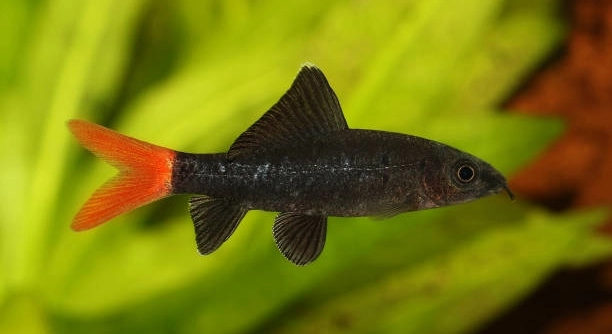
Rainbow sharks are popular freshwater fish known for their bright colors and active nature. Sometimes, these fish hide more than usual, which can worry their owners. Understanding why they hide is important for keeping them healthy and happy.
Rainbow sharks often hide due to stress, poor water quality, overcrowding, lack of hiding spots, illness, sudden changes in the environment, or aggressive tank mates. Identifying and addressing these causes can improve their behavior and well-being.
Recognizing the reasons behind this hiding behavior will help you create a better environment for your rainbow shark and ensure it feels safe and comfortable.
Stress and Its Impact on Rainbow Shark Hiding
Stress is one of the main reasons rainbow sharks hide more than usual. These fish are sensitive to changes in their environment, and any disturbance can make them anxious. Loud noises, frequent tank movement, or even sudden changes in lighting can cause stress. When stressed, rainbow sharks tend to retreat to dark or covered areas where they feel safer. This hiding behavior is a natural response to avoid perceived threats. Stress can also weaken their immune system, making them more prone to illness. Keeping the tank environment calm and stable helps reduce stress. Consistent feeding schedules and avoiding sudden changes are good practices. Watching your rainbow shark’s behavior closely will let you know when something is wrong. Stress management is essential to keep your fish active and healthy. Taking small steps to create a peaceful habitat can make a big difference in their comfort.
Stress makes rainbow sharks seek safe spots to avoid harm. Reducing disturbances helps lower stress levels and encourages more activity.
Creating a calm aquarium environment involves controlling noise, light, and tank activity. Using a gentle filter and avoiding sudden changes in water parameters keeps stress low. Adding plants or decorations provides secure hiding places without overcrowding. Consistency in feeding times and minimal handling helps your fish feel safe. Over time, you will see less hiding and more interaction as the fish grow comfortable. A peaceful tank is the foundation for a happy rainbow shark.
Poor Water Quality
Poor water quality quickly causes discomfort in rainbow sharks. They need clean water with balanced parameters to thrive. High levels of ammonia, nitrites, or nitrates can stress fish and force them to hide more. Dirty water leads to infections and poor health, which also increases hiding behavior. Regular water tests are necessary to keep conditions safe. Water changes should be done weekly or as needed to maintain cleanliness. Filtration systems help remove waste and toxins, making the tank environment stable. Using a water conditioner removes harmful chemicals from tap water. Proper maintenance prevents sudden changes that upset your rainbow shark. If water quality is not monitored, your fish can suffer silently before symptoms show. Keeping water clean is key to reducing hiding and promoting normal behavior.
Maintaining balanced water quality is essential for your rainbow shark’s health and comfort.
A clean tank supports healthy fish that are active and less likely to hide. Testing water for pH, ammonia, nitrite, and nitrate levels is important. Ideal pH for rainbow sharks is usually between 6.5 and 7.5. Ammonia and nitrites should always be zero, while nitrates should stay below 20 ppm. If levels rise, it’s time for a partial water change. Proper filtration and avoiding overfeeding help control waste buildup. Removing uneaten food and cleaning the substrate prevents harmful bacteria growth. Establishing a water care routine will improve your fish’s behavior and reduce hiding episodes. Your rainbow shark will respond positively to a fresh and balanced environment.
Overcrowding in the Tank
Too many fish in one tank causes stress and hiding. Rainbow sharks need enough space to swim freely. Overcrowding leads to competition for food and hiding spots, making them feel unsafe.
When a tank is overcrowded, rainbow sharks may hide more to avoid other fish. They are territorial and don’t like sharing small spaces. Overcrowding increases aggression among fish, causing fights and injuries. This stress can weaken their immune systems and cause illness. Providing a larger tank or reducing the number of fish helps. Make sure your rainbow shark has enough room to explore without constant threats. Spacing out decorations and hiding spots can also reduce conflicts. Managing the population in the tank is important for peace and your fish’s well-being.
A spacious tank with fewer fish helps rainbow sharks feel secure. They are more likely to swim openly and show natural behaviors when stress is minimized.
Overcrowding not only stresses rainbow sharks but also affects water quality faster due to excess waste. Smaller tanks with many fish create poor living conditions, forcing fish to hide. Each rainbow shark needs at least 30 gallons of water. Proper tank size reduces territorial disputes and gives fish places to rest. Keep an eye on fish behavior to notice signs of overcrowding. When hiding increases or aggression rises, it’s time to reevaluate the tank’s population. Giving your fish space improves health and happiness.
Lack of Hiding Places
Rainbow sharks need hiding spots to feel safe and secure. Without enough places to hide, they become stressed and hide more often.
Providing natural or artificial shelters like plants, rocks, and caves offers rainbow sharks a refuge from bright lights or other fish. Hiding spots reduce anxiety by giving fish a sense of control over their space. When they feel threatened, they can retreat and rest. Without these areas, rainbow sharks may constantly swim nervously or hide behind decorations not designed for shelter. Proper hiding spots also encourage natural behaviors and exploration. Creating varied and comfortable spaces in the tank improves your fish’s confidence. It helps them stay relaxed and reduces excessive hiding caused by insecurity or fear.
Adding decorations and plants creates a more inviting environment for your rainbow shark. Well-placed hiding spots allow your fish to balance activity with rest. Consider their size and personality when choosing shelters. Too few or too many hiding places can upset tank harmony. Aim for a mix that provides comfort without overcrowding. Using live plants can improve water quality and give a natural feel. Artificial caves or tunnels offer secure spots for shy fish. Keeping the tank environment balanced supports your rainbow shark’s health and encourages natural behavior.
Illness and Hiding Behavior
When rainbow sharks feel sick, they often hide more than usual. Hiding is a way to conserve energy and avoid predators while they recover. Illness can make them weak and less active.
Signs of illness include clamped fins, pale colors, and slow movement. If these appear along with hiding, a water test and health check are necessary. Early treatment can prevent serious problems and help your fish heal faster.
Sudden Changes in Environment
Rainbow sharks react negatively to sudden changes like temperature shifts or new decorations. These changes cause stress, leading them to hide until they adjust. Stability is key to their comfort.
Aggressive Tank Mates
Some fish are aggressive toward rainbow sharks, causing them to hide for safety. Aggression from other fish can lead to constant stress, injury, or illness for your shark.
Avoid keeping rainbow sharks with known aggressive species to reduce hiding and improve their well-being.
FAQ
Why does my rainbow shark hide all the time?
Rainbow sharks hide often because they feel stressed, unsafe, or unwell. Common reasons include poor water quality, overcrowding, lack of hiding spots, or aggressive tank mates. When they hide constantly, it usually means something in their environment needs attention or adjustment to make them feel secure.
How can I tell if my rainbow shark is stressed?
Signs of stress include excessive hiding, loss of appetite, pale colors, and erratic swimming. Stress can weaken their immune system and lead to illness. Watching their behavior closely helps identify stress early so you can fix the cause.
What water conditions are best for rainbow sharks?
Rainbow sharks thrive in water with a temperature between 72°F and 79°F, a pH of 6.5 to 7.5, and very low levels of ammonia and nitrites. Regular water testing and weekly water changes help keep these conditions stable and healthy.
How much space does a rainbow shark need?
They need at least a 30-gallon tank per fish. Larger tanks reduce stress by giving them space to swim and establish territories. Overcrowding causes hiding and aggression, so proper tank size is important.
Can aggressive tank mates cause hiding?
Yes, rainbow sharks are territorial and do not do well with aggressive or overly active fish. Aggression causes stress and injury, which makes them hide. Choosing peaceful tank mates helps rainbow sharks feel safer.
What kind of hiding places should I provide?
Offer a mix of natural plants, rocks, and caves. These provide security and reduce stress. Avoid overcrowding the tank with decorations, as too many hiding spots can also cause territorial disputes.
How often should I clean the tank?
Perform partial water changes of 20-30% weekly. Clean the substrate and remove leftover food regularly. This maintains water quality, reducing stress and illness that lead to hiding.
What should I do if my rainbow shark is sick?
Isolate the fish if possible to prevent spreading illness. Test the water and check for symptoms like faded color or clamped fins. Consult a vet or fish expert for diagnosis and treatment. Early care improves recovery chances.
Can sudden changes cause hiding?
Yes, changes like moving the tank, new decorations, or water temperature shifts can stress your rainbow shark. Keep the environment stable and introduce changes slowly to help them adjust.
Is hiding always bad?
Not always. Rainbow sharks naturally seek shelter sometimes for rest or to feel secure. However, if hiding increases or lasts for days, it signals a problem that needs fixing.
How do I reduce stress for my rainbow shark?
Keep the tank clean, stable, and peaceful. Provide hiding spots, avoid overcrowding, and choose compatible tank mates. Consistent feeding and minimizing loud noises or sudden movements help maintain calm.
Why does my rainbow shark hide only during the day?
Rainbow sharks are more active at night and prefer to rest during daylight. They may hide more in bright light or when the tank is busy. Providing shaded areas helps them feel safe during the day.
Can diet affect hiding behavior?
Yes, poor nutrition weakens fish, making them less active and more prone to hiding. Feed a balanced diet suitable for rainbow sharks, including pellets, flakes, and occasional live or frozen foods.
How can I encourage my rainbow shark to come out more?
Maintain ideal water conditions, reduce stress factors, and create a secure environment with plenty of hiding spots. Gently feeding near visible areas can also encourage your fish to be more active.
Are rainbow sharks shy by nature?
They are somewhat shy and territorial but usually curious and active when comfortable. Excessive hiding means something in their environment is not right and should be checked.
What should I avoid to prevent hiding?
Avoid overcrowding, poor water quality, sudden environment changes, and aggressive tank mates. Proper care and stable conditions keep hiding to a minimum.
These answers address common concerns and help improve your rainbow shark’s comfort and behavior. Consistent care makes a big difference in reducing hiding and keeping your fish healthy.
Taking care of a rainbow shark means paying close attention to its environment and behavior. Hiding is a natural action, but when it happens too much, it often signals a problem. Stress, poor water quality, overcrowding, and illness are common reasons for hiding. By understanding these causes, you can make changes to improve your fish’s health and comfort. Simple steps like keeping the water clean, providing enough space, and adding proper hiding spots create a better home for your rainbow shark. These adjustments help reduce stress and encourage more active behavior.
It’s important to regularly check your tank and fish for signs of trouble. Testing water parameters, watching for illness symptoms, and observing behavior can prevent problems from getting worse. Sometimes, changes in tank mates or decorations are needed to reduce aggression or fear. Keeping the tank stable and quiet allows your rainbow shark to feel safe. Feeding a balanced diet and maintaining a consistent routine also support its well-being. When you address the reasons behind hiding, your fish can become more confident and interactive over time.
Every rainbow shark is unique, so patience and care are key. Some hiding is normal, especially when the fish is adjusting to a new environment. However, if hiding becomes excessive or your fish shows signs of illness, it’s a signal to act. Making your tank a peaceful and healthy place benefits not only your rainbow shark but also the other fish. Paying attention and responding to your fish’s needs will help it thrive and bring enjoyment to your aquarium experience.

Hello,
If you enjoy the content that we create, please consider saying a "Thank You!" by leaving a tip.
Every little bit helps us continue crafting quality advice that supports the health, happiness, and well-being of pets around the world, for pets of all shapes, sizes, and species.
We really appreciate the kindness and support that you show us!