
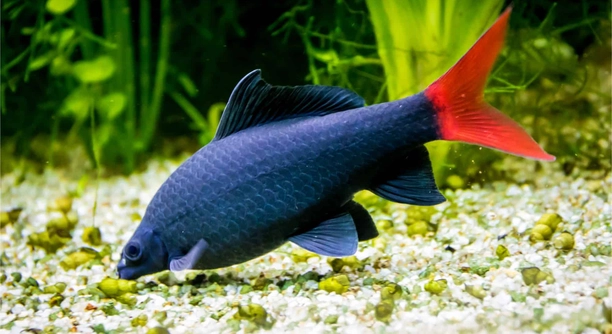
Rainbow sharks are popular aquarium fish known for their striking colors and active nature. However, these fish sometimes show aggression toward their tankmates, making it difficult to maintain harmony in your aquarium. Managing their interactions can improve your tank’s overall health and appearance.
The most effective approach to reduce conflicts among rainbow sharks and other fish involves providing ample space, proper hiding spots, and compatible tankmates. Maintaining ideal water conditions and consistent feeding schedules also minimizes stress and territorial behavior.
Understanding these simple fixes can help create a peaceful environment for your rainbow sharks and other fish. Implementing small changes can lead to a more balanced and enjoyable aquarium experience.
Provide Adequate Space and Hiding Spots
Rainbow sharks need enough room to swim freely without feeling crowded. When they don’t have enough space, they can become territorial and aggressive toward other fish. A tank of at least 30 gallons is recommended for one rainbow shark. Adding more than one requires even more space to prevent fights. Hiding spots such as caves, plants, and decorations give them places to retreat and feel safe. This reduces stress and keeps aggression in check. By designing the tank thoughtfully, you encourage peaceful interactions. It is important to arrange the environment so each fish can claim a territory without constant confrontation. Regularly checking that the tank isn’t overcrowded helps maintain this balance.
Creating a spacious, well-structured tank reduces stress for rainbow sharks. Hiding spots allow fish to avoid conflict and help maintain a calmer environment overall.
Providing adequate space and plenty of shelters in your tank supports natural behaviors and minimizes aggressive encounters. It also encourages your rainbow sharks to explore rather than defend limited territory. This can improve the health and wellbeing of all your fish. Avoid placing all hiding spots in one area; spread them evenly to prevent territorial disputes. Plants and decorations add interest and safe zones. With enough space and places to hide, rainbow sharks are less likely to see tankmates as threats. Regular tank maintenance, including monitoring fish behavior and tank population, helps keep the environment balanced. Over time, these adjustments lead to a more peaceful aquarium where different species can coexist more comfortably.
Choose Compatible Tankmates
Selecting fish that tolerate or ignore rainbow sharks is essential for harmony. Aggressive or similarly territorial species often provoke fights, while peaceful or bottom-dwelling fish coexist better. Ideal companions include small schooling fish like tetras, danios, or peaceful catfish that stay out of the shark’s way. Avoid fish with long fins or slow swimmers that may attract unwanted attention or provoke aggression. When introducing new tankmates, monitor interactions closely for signs of stress or conflict. Compatibility reduces tension and creates a more stable tank environment.
Compatibility between rainbow sharks and other fish promotes peaceful cohabitation. Careful selection of tankmates limits aggression and supports a balanced community.
Choosing the right tankmates for rainbow sharks can greatly improve the aquarium atmosphere. Rainbow sharks defend their territory but tend to ignore fast-moving or bottom-dwelling fish that do not compete for the same space. Species like corydoras catfish and certain danios are excellent choices because they keep to different levels of the tank and are less likely to challenge the shark. Avoid pairing them with aggressive fish or those that share similar territorial habits. Introducing tankmates slowly and observing their behavior helps prevent conflict before it escalates. Sometimes rearranging decorations or adding more hiding spots can ease tension when new fish join. Overall, compatible companions reduce stress and aggression, making it easier to maintain a peaceful tank for everyone.
Maintain Proper Water Conditions
Keeping water clean and stable is essential for reducing aggression in rainbow sharks. Poor water quality causes stress, making fish more territorial and hostile toward tankmates. Regular water changes and testing help maintain ideal conditions.
Water parameters like temperature, pH, and ammonia levels must be monitored closely. Rainbow sharks thrive in temperatures between 72 and 79°F and a pH of 6.5 to 7.5. Sudden changes can increase stress, leading to aggressive behavior. Using a reliable filter and performing weekly water changes of 20-30% keeps the environment stable. Regularly removing uneaten food and waste also prevents water quality decline, reducing irritation and disease risk.
In addition to water quality, consistent lighting and a stable day-night cycle support fish health. Stress from environmental fluctuations can trigger increased aggression. Avoid overcrowding and keep tank equipment in good working order. Maintaining these water conditions ensures rainbow sharks feel secure, reducing fights with tankmates and promoting harmony.
Feed a Balanced Diet
A well-balanced diet prevents hunger-driven aggression. Rainbow sharks become territorial when competing for limited food. Feeding high-quality pellets supplemented with live or frozen foods meets their nutritional needs.
Providing food in multiple locations reduces competition and ensures all fish get adequate nutrition. Overfeeding should be avoided, as leftover food can degrade water quality. Feeding small amounts twice daily works well. Including occasional treats like bloodworms or brine shrimp adds variety and enrichment. Proper nutrition supports the immune system and reduces stress, which can otherwise lead to aggressive behavior. It is important to observe feeding habits and adjust amounts based on fish activity and appetite. Consistent feeding routines help rainbow sharks feel secure and less likely to act aggressively over food resources.
Avoid Overcrowding
Overcrowding increases stress and triggers territorial fights among rainbow sharks. Each fish needs enough space to swim and establish its own area.
Too many fish in one tank reduces hiding spots and forces constant interaction, raising aggression levels. Maintaining proper stocking density helps keep peace.
Rearrange Decorations Periodically
Changing the tank layout can reset territories and reduce aggressive behavior. Rearranging plants and hiding spots breaks established boundaries, lowering conflicts.
This simple change encourages rainbow sharks to explore new areas and minimizes constant territorial defense, promoting a more peaceful environment.
Monitor Behavior Closely
Regular observation helps detect early signs of aggression or stress. Catching problems early allows for timely adjustments to tank conditions or fish arrangement.
If fighting persists despite changes, consider separating aggressive individuals to protect all fish and restore balance.
FAQ
Why are my rainbow sharks aggressive toward tankmates?
Rainbow sharks can become aggressive due to territorial instincts, especially when the tank is too small or overcrowded. Stress from poor water quality, lack of hiding spots, or incompatible tankmates can also increase hostility. Ensuring proper space, water conditions, and compatible companions usually helps reduce aggression.
How much space do rainbow sharks need?
A minimum of 30 gallons is recommended for one rainbow shark. For multiple sharks, increase tank size accordingly to prevent territorial disputes. Overcrowding restricts swimming space and forces fish into each other’s territory, causing fights.
What types of fish get along well with rainbow sharks?
Peaceful, fast-moving fish that occupy different tank levels work best. Examples include tetras, danios, and corydoras catfish. Avoid slow-moving or long-finned species, as they may provoke aggression or be targeted.
How often should I change the water?
Perform weekly water changes of about 20-30%. This maintains water quality by reducing toxins and keeping parameters stable. Clean water lowers stress and aggression in rainbow sharks.
What is the ideal water temperature and pH?
Rainbow sharks thrive in temperatures between 72 and 79°F and a pH level from 6.5 to 7.5. Keeping these parameters consistent prevents stress-related behavior like aggression.
Can rearranging decorations really help?
Yes, changing tank decorations disrupts established territories. This encourages fish to explore new areas and reduces territorial disputes. Rearranging decorations every few weeks can keep aggression levels down.
What should I feed rainbow sharks?
A varied diet including high-quality pellets, supplemented with live or frozen foods such as bloodworms and brine shrimp, meets their nutritional needs. Feeding small amounts twice daily ensures proper nutrition and reduces competition over food.
How do I know if my rainbow shark is stressed?
Signs include hiding excessively, loss of color, rapid breathing, or frequent chasing of tankmates. Stress often leads to increased aggression or illness. Addressing tank conditions and providing hiding places can improve their wellbeing.
What if aggression continues despite fixes?
If fighting persists, separating aggressive fish might be necessary. Consider dividing the tank or rehoming overly hostile individuals to protect other fish and maintain peace.
Is it normal for rainbow sharks to chase other fish sometimes?
Yes, some chasing is natural territorial behavior, especially when new fish are introduced. However, constant or severe aggression needs to be addressed by adjusting tank conditions or companions.
Can overcrowding cause disease outbreaks?
Overcrowding stresses fish and reduces water quality, which can weaken immune systems and lead to disease. Proper stocking levels and clean water help prevent illness.
How do hiding spots reduce aggression?
Hiding spots give fish places to retreat and feel safe. This lowers stress and prevents continuous confrontations by allowing individuals to avoid each other when needed.
Should I keep only one rainbow shark?
One rainbow shark in a sufficiently large tank often leads to fewer conflicts. Multiple sharks require much larger tanks to reduce territorial aggression.
Does lighting affect rainbow shark behavior?
Consistent lighting and a stable day-night cycle support normal fish behavior. Sudden or extreme changes can stress fish, increasing aggression.
How can I introduce new fish without causing fights?
Add new fish slowly and monitor interactions. Rearrange tank decorations to reset territories and provide extra hiding spots. Quarantining new fish before introduction helps prevent disease spread.
Final Thoughts
Managing rainbow sharks and their tankmates can sometimes be challenging due to their natural territorial behavior. However, with careful attention to tank size, water quality, and fish compatibility, it is possible to create a peaceful aquarium. Providing enough space and hiding spots helps reduce stress and aggression among fish. Regular maintenance and thoughtful tank arrangement contribute to a healthy environment where rainbow sharks and other fish can coexist comfortably.
Feeding plays an important role in keeping rainbow sharks calm and healthy. Offering a balanced diet in appropriate amounts prevents competition over food, which is a common trigger for fights. It is also important to monitor water parameters like temperature, pH, and cleanliness, as poor conditions increase fish stress and aggressive behavior. Maintaining stable and clean water conditions ensures your fish remain comfortable and less likely to act out toward each other.
Sometimes, even with the best care, aggression can persist. In these cases, observing fish behavior closely is necessary. Adjusting tank setup, rearranging decorations, or selecting more compatible tankmates may help. If problems continue, separating aggressive individuals may be the best solution. With patience and consistent care, you can maintain a balanced and harmonious tank where rainbow sharks and their tankmates thrive.

Hello,
If you enjoy the content that we create, please consider saying a "Thank You!" by leaving a tip.
Every little bit helps us continue crafting quality advice that supports the health, happiness, and well-being of pets around the world, for pets of all shapes, sizes, and species.
We really appreciate the kindness and support that you show us!