
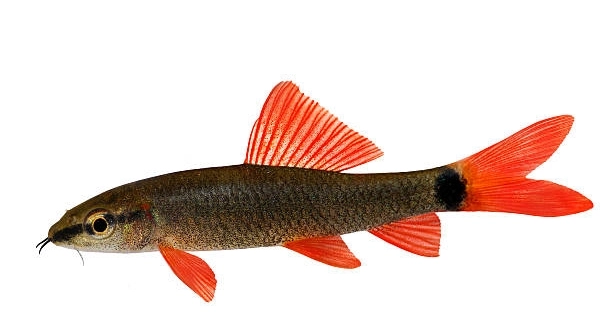
Rainbow sharks are popular aquarium fish known for their vibrant colors and active behavior. Creating a tank environment suited to their needs helps keep them healthy and happy. Proper care ensures they thrive in a home aquarium setting.
Maintaining a rainbow shark-friendly tank involves providing ample space, stable water conditions, hiding spots, and compatible tank mates. Regular water changes and a balanced diet are essential to support their wellbeing and reduce stress in the aquarium.
Following these simple but important steps will improve your fish’s quality of life. Understanding their basic needs creates a peaceful and colorful tank environment. This article offers practical advice for any rainbow shark owner.
Providing Enough Space
Rainbow sharks are active swimmers that need plenty of room to move around. A small tank can cause stress and aggressive behavior. Ideally, a tank should be at least 30 gallons for one rainbow shark. Larger tanks are better if you plan to keep more than one. Crowded tanks increase competition for territory and reduce water quality faster. Adding plants and decorations can help break up the space, giving the fish places to swim freely without feeling trapped. Proper space allows your rainbow shark to explore and behave naturally, which promotes better health and reduces stress-related issues.
A 30-gallon tank is the minimum size for one rainbow shark to thrive comfortably.
Ensuring adequate space in the tank is one of the most important steps in caring for your rainbow shark. Crowding can lead to aggression and poor water conditions, which harm the fish. A larger tank helps maintain water quality and allows the fish to establish territories without constant conflict. Additionally, plants and hiding spots improve the environment by offering shelter and reducing direct confrontations. By providing enough room, you create a calm and healthy habitat where your rainbow shark can grow and show its best colors.
Maintaining Stable Water Conditions
Stable water parameters are essential for rainbow sharks to stay healthy. They prefer a temperature between 74 and 80 degrees Fahrenheit and a pH of 6.5 to 7.5. Sudden changes in temperature or water chemistry can stress the fish, making them more vulnerable to illness.
Regular testing and water changes help keep conditions steady and safe.
To maintain stable water conditions, start by monitoring temperature daily and adjusting your heater as needed. Test pH, ammonia, nitrites, and nitrates regularly to catch any problems early. Performing partial water changes weekly removes harmful waste and keeps the water fresh. Avoid overcrowding and overfeeding, as both can deteriorate water quality quickly. Using a good filtration system also helps maintain a balanced environment. Consistency is key to preventing stress and disease, so stick to a regular schedule for maintenance tasks. By keeping water conditions stable, you create a secure environment that supports your rainbow shark’s health and longevity.
Creating Hiding Spots
Rainbow sharks need places to hide to feel secure. Rocks, caves, and dense plants offer shelter and reduce stress. Without hiding spots, these fish may become nervous or aggressive.
Providing hiding places mimics their natural habitat and helps them establish territories. Use aquarium-safe decorations like driftwood or ceramic caves. Live plants such as java fern or anubias work well because they tolerate the fish’s activity and offer cover. Position these hiding spots evenly around the tank so the fish can retreat when needed. This setup lowers aggression and promotes peaceful behavior. It also creates a more natural environment where your rainbow shark can rest and feel safe.
Adding hiding spots benefits other tank inhabitants too, as it gives all fish places to escape from potential threats. A well-structured tank encourages healthy interactions and keeps your rainbow shark calm and comfortable.
Choosing Compatible Tank Mates
Not all fish can live peacefully with rainbow sharks. They can be territorial, especially with similar-shaped or sized species. Avoid aggressive or overly shy fish.
Ideal tank mates include peaceful mid- to bottom-dwellers like tetras, danios, or plecos. These species occupy different areas of the tank, minimizing conflict. Avoid keeping multiple rainbow sharks together in smaller tanks, as this often leads to fighting. Compatibility depends on tank size and individual temperaments, so observe interactions carefully. Introducing tank mates slowly and providing enough space and hiding spots reduces stress for all fish. Proper selection helps maintain a balanced and calm aquarium community.
Feeding a Balanced Diet
Rainbow sharks need a varied diet to stay healthy. Include high-quality pellets, flakes, and occasional live or frozen foods.
Feeding small amounts twice daily helps prevent overfeeding and keeps the tank clean.
Monitoring Behavior and Health
Watch your rainbow shark’s behavior for signs of stress or illness. Healthy fish are active and responsive.
Early detection of issues like fin damage or discoloration allows for quicker treatment and recovery.
Regular Tank Cleaning
Cleaning the tank regularly removes waste and keeps the environment healthy. Partial water changes and gravel vacuuming prevent harmful buildup.
Consistent maintenance supports water quality, reducing stress and disease risk for your rainbow shark.
FAQ
How big should my tank be for a rainbow shark?
A tank should be at least 30 gallons for one rainbow shark. This size provides enough swimming space and reduces stress. Larger tanks are better if you want to keep more than one or add other fish. Crowded tanks lead to aggression and poor water quality, so always prioritize space.
What temperature is best for rainbow sharks?
Rainbow sharks thrive in water between 74°F and 80°F. Keeping the temperature stable within this range prevents stress and supports their immune system. Use a reliable heater and thermometer to maintain a consistent temperature.
Can rainbow sharks live with other fish?
Yes, but you must choose tank mates carefully. Peaceful fish like tetras, danios, and plecos work well because they stay in different areas of the tank. Avoid aggressive or similar-sized fish that might trigger territorial fights.
How often should I feed my rainbow shark?
Feed your rainbow shark small amounts twice a day. Offer a varied diet including pellets, flakes, and occasional live or frozen foods like bloodworms. Avoid overfeeding to keep water clean and prevent obesity.
What signs show my rainbow shark is stressed?
Signs of stress include hiding excessively, loss of color, erratic swimming, or aggression. If your fish acts withdrawn or shows physical damage, check water conditions and tank setup immediately.
How often should I clean the tank?
Perform partial water changes weekly, about 20-30% of the tank volume. Vacuum the gravel and clean the filter monthly to remove debris. Regular cleaning keeps water quality high, which is crucial for your fish’s health.
Do rainbow sharks need hiding spots?
Yes, hiding spots are important. They offer shelter and reduce stress by letting the fish feel safe. Use caves, rocks, driftwood, or dense plants. Spread hiding places evenly to allow your fish to retreat when needed.
Can I keep more than one rainbow shark together?
It depends on tank size. In tanks smaller than 55 gallons, multiple rainbow sharks often fight. Larger tanks with enough hiding spots might support more than one, but watch closely for aggression.
What pH level is ideal for rainbow sharks?
Rainbow sharks prefer a pH between 6.5 and 7.5. Maintaining stable pH helps avoid stress and illness. Test your water regularly and adjust as needed using safe products.
What should I do if my rainbow shark gets sick?
Isolate the fish if possible and identify symptoms. Check water quality first, as poor conditions cause many illnesses. Consult a vet or aquarium expert for treatment advice based on symptoms. Acting quickly improves recovery chances.
Are live plants suitable for a rainbow shark tank?
Yes, many live plants like java fern and anubias are suitable. They provide hiding places and improve water quality. Choose hardy plants that tolerate your fish’s activity level to avoid damage.
Why does my rainbow shark nip at other fish?
Nipping is usually territorial behavior or stress-related. Ensuring enough space, hiding spots, and compatible tank mates reduces aggression. If nipping persists, consider rearranging the tank or separating aggressive fish.
How long do rainbow sharks live?
With proper care, rainbow sharks can live 5 to 8 years or longer. Maintaining good water quality, a balanced diet, and a suitable environment extends their lifespan. Regular monitoring helps catch problems early.
Is it okay to keep rainbow sharks with goldfish?
No, this is not recommended. Goldfish prefer cooler water and different conditions, which can stress both species. Their behaviors and needs don’t match well, leading to poor health for both fish.
What type of filter works best for a rainbow shark tank?
A good filter provides mechanical, biological, and chemical filtration. Canister or hang-on-back filters are common choices. Strong filtration helps maintain clean water and reduces harmful toxins, which is vital for your fish’s health.
Final Thoughts
Creating a comfortable and healthy environment for your rainbow shark takes attention to a few important details. Providing enough space, stable water conditions, and proper hiding spots helps reduce stress and encourages natural behavior. These fish are active and territorial, so they need room to swim and places to retreat. Following these basics will help your rainbow shark stay calm and healthy in your tank.
Maintaining good water quality is just as important as tank size and decorations. Regular water testing, partial water changes, and a reliable filtration system keep harmful substances low. Rainbow sharks are sensitive to sudden changes in their environment, so keeping temperature and pH steady is necessary. Feeding them a balanced diet with variety supports their overall health. Overfeeding or poor water quality can lead to illness, so careful care is key.
Choosing compatible tank mates and observing your fish closely will also improve the tank’s harmony. Some fish can trigger aggression, so it’s best to avoid those that are territorial or similar in shape and size. Providing multiple hiding spots lowers stress for all fish in the tank. Keeping an eye on your rainbow shark’s behavior helps catch any health or environmental issues early. By paying attention to these details, you create a safe, stable space where your rainbow shark can thrive for years.

Hello,
If you enjoy the content that we create, please consider saying a "Thank You!" by leaving a tip.
Every little bit helps us continue crafting quality advice that supports the health, happiness, and well-being of pets around the world, for pets of all shapes, sizes, and species.
We really appreciate the kindness and support that you show us!