
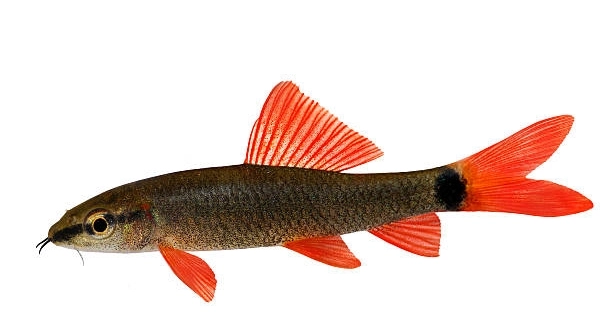
Are your rainbow sharks showing signs of stress after being moved to a new tank? Adjusting to a new environment can be challenging for these active fish. Proper care during this transition helps ensure their well-being and comfort.
Helping your rainbow shark adjust involves creating a stable environment, maintaining proper water parameters, providing hiding spots, and minimizing sudden changes. Gradual acclimation and careful observation reduce stress and support healthy adaptation to the new tank conditions.
These simple steps can improve your fish’s adjustment and keep them healthy. Knowing how to support your rainbow shark during this change makes a big difference.
Prepare the New Tank Properly
Before bringing your rainbow shark home, set up the tank with the right conditions. The water should be clean, well-filtered, and at the right temperature between 74°F and 80°F. Make sure the pH level is stable, ideally around 6.5 to 7.5. Add plenty of plants and decorations that provide hiding spots, like caves or driftwood. These help your fish feel safe. Avoid sudden changes in water chemistry by cycling the tank fully beforehand. Test the water regularly to ensure the levels of ammonia, nitrites, and nitrates are safe. Good water quality reduces stress and illness risks. Preparing the tank carefully helps your rainbow shark adjust faster and stay healthy.
Starting with a well-prepared tank is key to your fish’s comfort and long-term health.
Taking the time to get everything right before introducing your rainbow shark will make a noticeable difference. A stable environment lowers stress and encourages natural behavior, helping your fish settle quickly. The plants and hiding places offer shelter that your rainbow shark will appreciate, especially in the early days. This preparation is the foundation of a happy, thriving tank.
Gradual Acclimation Process
Gradual acclimation reduces shock when moving the fish to a new tank.
Start by floating the sealed bag in the tank water for about 15 to 20 minutes. This equalizes the temperature between the bag and tank. Afterward, slowly add small amounts of tank water into the bag over an hour, mixing carefully. This helps the fish adjust to the new water chemistry. Avoid pouring the fish directly into the tank water immediately. Use a net to transfer your rainbow shark gently into its new home. This slow approach minimizes stress and gives your fish time to adapt.
Watching your rainbow shark during acclimation is important. If the fish shows signs of distress like frantic swimming or hiding excessively, pause and give more time for adjustment. Proper acclimation sets a good start for your fish’s health and behavior in the new tank. Taking it slow helps prevent shock and creates a smoother transition.
Maintain Stable Water Conditions
Keep the water conditions steady to help your rainbow shark feel secure. Sudden changes can stress the fish and affect its health.
Regular testing of water parameters like pH, ammonia, nitrites, and nitrates is essential. Use a reliable test kit to monitor these levels. Perform partial water changes weekly, about 20 to 30 percent, to keep the tank clean and balanced. Avoid overfeeding, as leftover food can pollute the water and increase toxin levels. Proper filtration is also necessary to remove waste and maintain oxygen levels. Keeping the water stable supports your fish’s immune system and reduces stress-related problems.
Temperature consistency is equally important. Use a heater to maintain the tank’s temperature within the recommended range of 74°F to 80°F. Fluctuations can cause discomfort and weaken the fish. Observe your rainbow shark daily for any unusual behavior, which can signal water quality issues. Keeping a stable environment helps your rainbow shark thrive and enjoy its new home.
Provide Hiding Spots and Decorations
Hiding spots reduce stress and give your rainbow shark a sense of security.
Add plenty of decorations like plants, rocks, and caves to create hiding places. These allow the fish to retreat when feeling threatened or overwhelmed. Live plants are beneficial as they also improve water quality by absorbing nitrates. Avoid overcrowding the tank with decorations, but ensure there are enough places for your fish to explore and hide.
Your rainbow shark is naturally shy and territorial, so these spaces help it feel comfortable. They also encourage natural behavior, such as resting and exploring. When your fish has a place to hide, it is less likely to become stressed or aggressive. This improves its overall health and well-being. Choosing the right decorations balances the tank environment and makes your fish’s transition easier.
Monitor Behavior Closely
Watching your rainbow shark’s behavior helps catch problems early. Look for signs like hiding too much, loss of appetite, or erratic swimming.
Changes in behavior can indicate stress, illness, or water quality issues. Acting quickly can prevent bigger problems and keep your fish healthy.
Feed a Balanced Diet
Provide a varied diet to meet your rainbow shark’s nutritional needs. Include high-quality sinking pellets, algae wafers, and occasional live or frozen foods like bloodworms or brine shrimp. Feeding small amounts twice a day prevents overfeeding and keeps water clean. A balanced diet supports their energy and vibrant colors.
Avoid Overcrowding
Too many fish in one tank increases stress and pollution. Make sure your tank is spacious enough for your rainbow shark to swim freely and establish its territory. Overcrowding leads to competition for food and hiding spots, which can cause aggression and health problems.
FAQ
How long does it take for a rainbow shark to adjust to a new tank?
Rainbow sharks usually take about one to two weeks to settle into a new tank. During this time, they might hide more and swim less as they get used to their surroundings. Providing a stable environment and hiding spots can speed up this adjustment period and reduce stress.
What signs show that my rainbow shark is stressed?
Common signs of stress include erratic swimming, loss of appetite, hiding excessively, or rubbing against objects. Stress can also cause faded colors and lethargy. If you notice these behaviors, check water quality and tank conditions right away, as these are often the main causes.
Can I keep rainbow sharks with other fish?
Yes, rainbow sharks can live with other peaceful fish, but they are territorial. Avoid keeping them with very small or slow-moving fish to reduce aggression. Larger tanks with plenty of hiding places help minimize territorial disputes and keep all fish comfortable.
What is the ideal tank size for a rainbow shark?
A minimum of 30 gallons is recommended for one rainbow shark. They need enough space to swim actively and establish territory. Larger tanks are better if you want to keep more fish or provide additional decorations and plants.
How often should I clean the tank?
Perform partial water changes of 20 to 30 percent weekly. This helps keep the water clean and stable. Regularly clean the filter and remove uneaten food or debris. A clean tank reduces stress and keeps your rainbow shark healthy.
What temperature should the tank be?
Keep the water temperature between 74°F and 80°F. Use a reliable heater and thermometer to maintain this range. Sudden temperature changes can cause stress and illness in your rainbow shark.
What should I feed my rainbow shark?
Feed a varied diet including sinking pellets, algae wafers, and occasional live or frozen foods like bloodworms or brine shrimp. Feed small amounts twice a day to avoid overfeeding and keep water quality high.
Why does my rainbow shark hide so much?
Hiding is normal, especially during adjustment. Rainbow sharks are naturally shy and like places to retreat. If hiding continues after a couple of weeks, check for water quality issues or aggressive tank mates.
How do I prevent aggression in my rainbow shark?
Provide enough space and hiding spots to reduce territorial behavior. Avoid overcrowding and keep compatible tank mates. If aggression persists, consider separating fish or upgrading to a larger tank.
Can I keep plants with my rainbow shark?
Yes, live plants are great for rainbow shark tanks. They provide hiding spots and improve water quality. Choose sturdy plants that can tolerate some nibbling or digging. Plants create a natural and comfortable environment for your fish.
Helping your rainbow shark adjust to a new tank takes patience and care. Each step, from preparing the tank to monitoring water conditions and behavior, plays an important role in making your fish comfortable. A stable and clean environment is the foundation for their health. When you provide hiding spots and keep the water steady, your rainbow shark will feel more secure. It is normal for them to take some time to settle, so giving them space and time helps reduce stress.
Feeding your rainbow shark a balanced diet and avoiding overcrowding also support their well-being. Overfeeding or having too many fish in one tank can cause water quality problems and increase stress. Watching your fish closely for signs of stress or illness allows you to take quick action if needed. The more you observe your rainbow shark, the better you understand its habits and needs. This understanding helps you provide the right care and make adjustments to the tank environment when necessary.
In the end, your rainbow shark’s adjustment depends on the combination of a well-prepared tank, proper feeding, and regular maintenance. Small changes in water quality or tank setup can affect their comfort, so consistency is key. Taking these steps not only helps your fish adjust faster but also promotes a longer, healthier life. Caring for a rainbow shark requires attention and effort, but the reward is a lively, colorful fish that thrives in its new home.

Hello,
If you enjoy the content that we create, please consider saying a "Thank You!" by leaving a tip.
Every little bit helps us continue crafting quality advice that supports the health, happiness, and well-being of pets around the world, for pets of all shapes, sizes, and species.
We really appreciate the kindness and support that you show us!