
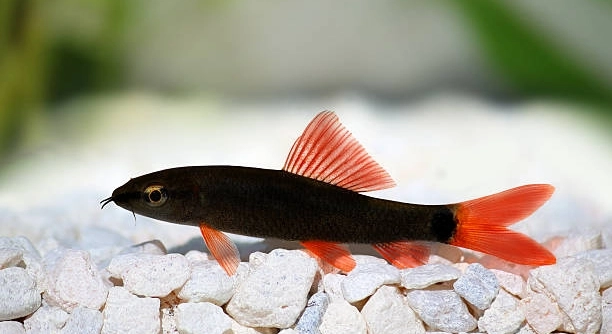
Rainbow sharks are popular freshwater fish known for their vibrant colors and active behavior. Many aquarium owners enjoy keeping them because they add life to a tank. However, these fish can sometimes act aggressively toward other tank mates, which might be concerning.
Rainbow sharks become territorial when they defend certain areas aggressively, chase or nip at other fish, hide excessively, or show signs of stress. These behaviors indicate that the fish is protecting its space and may need more room or environmental adjustments.
Recognizing these signs early can help maintain a peaceful tank environment and keep your rainbow shark healthy and comfortable.
How to Spot Chasing and Nipping Behavior
When a rainbow shark becomes too territorial, one of the first signs is chasing other fish around the tank. This behavior can seem aggressive as the shark quickly darts after tank mates. It often targets fish that come close to its chosen hiding spots or feeding areas. Nipping is another warning sign where the shark bites at fins or tails of other fish. This can lead to torn fins and stress for the other fish. It is important to watch your tank regularly to notice these actions early. If ignored, chasing and nipping may escalate, causing injury or forcing other fish to hide most of the time. Keeping an eye on your rainbow shark’s behavior helps you decide if the tank setup needs changes, such as adding more space or rearranging decorations to create separate territories.
Chasing and nipping show clear territorial aggression that can disrupt the tank’s harmony.
Addressing this behavior can prevent stress for all fish involved. Adjusting the environment or increasing tank size often helps reduce chasing and nipping. Adding plenty of plants and hiding spots allows fish to avoid confrontation. Keeping compatible tank mates that are fast and non-aggressive can also reduce tension. In some cases, separating the rainbow shark temporarily might be necessary to stop the aggressive behavior. These steps improve the overall health of the aquarium and keep fish safer.
Excessive Hiding and Stress Signs
Excessive hiding is a subtle but important sign that a rainbow shark feels threatened or territorial tension is high.
Rainbow sharks need places to hide, but when they stay hidden too often, it means they might be stressed or avoiding other fish. Stress shows in faded colors, loss of appetite, or slower movements. These signs suggest the fish is uncomfortable in its space, often because another fish is invading its territory or the tank is overcrowded. Stress can weaken the immune system, making the fish more vulnerable to disease. It’s essential to provide a balanced environment where the shark feels safe but not trapped. Improving hiding spots with caves, plants, or driftwood can help. If hiding continues excessively, reviewing tank size and companions is necessary. Keeping stress low improves the shark’s health and behavior, making the tank peaceful for all inhabitants.
Aggressive Territory Guarding
Territorial rainbow sharks often guard their favorite spots with intense aggression. They may block entrances to caves or chase fish away from plants.
This guarding behavior is natural but can become a problem in small tanks. The shark feels the need to defend its area from all other fish. This causes frequent chasing, and other fish may avoid certain parts of the tank completely. When the shark blocks access to important areas like hiding spots or feeding zones, it creates stress for the other fish. It is helpful to observe if your rainbow shark often stands guard in one place and reacts aggressively when others approach. Providing multiple hiding places and breaking up the tank into smaller zones can reduce guarding.
Sometimes adding decorations or rearranging the tank can limit aggressive guarding. Spreading out resources reduces competition and helps balance the environment.
Changes in Appetite and Behavior
Loss of appetite is a common sign that a rainbow shark is stressed by territorial disputes. A stressed fish may eat less or stop eating altogether. This affects its health and growth over time.
Behavioral changes like spending more time hiding, swimming erratically, or becoming less active also indicate stress. When a rainbow shark is too territorial, the constant tension wears it down. This leads to decreased energy and weakened immune function. It’s important to monitor feeding habits closely and ensure your fish are eating well. Adjusting tank mates, adding hiding spaces, and maintaining good water quality can help reduce stress and restore normal behavior. Healthy, well-fed fish are less likely to become overly aggressive or stressed in their environment.
Tank Size and Overcrowding
A small tank often causes rainbow sharks to become too territorial. Limited space means less room for fish to spread out and avoid conflicts.
Overcrowding increases stress and aggressive behavior. Each fish needs enough space to claim its own territory without constant competition.
Compatibility with Other Fish
Rainbow sharks tend to be more territorial with slower or bottom-dwelling fish. Choosing active, fast swimmers as tank mates can reduce aggression. Avoid keeping multiple rainbow sharks in a small tank, as this often leads to fights.
Providing Hiding Spaces
Adding plenty of caves, plants, and decorations helps rainbow sharks feel secure. This lowers aggression by giving fish safe spots to retreat and claim as their own.
Monitoring Behavior Changes
Keep an eye on your fish’s interactions and activity. Early detection of territorial issues can prevent injuries and stress.
How can I tell if my rainbow shark is too territorial?
Territorial behavior shows through chasing, nipping, guarding spaces, and hiding. Your fish may frequently chase others away from certain areas, nip at fins, or block access to caves and plants. If your rainbow shark hides too much or shows stress signs like faded colors or reduced appetite, it likely feels threatened or overcrowded. Watching your fish’s daily behavior helps spot these signs early before aggression causes injury or stress to other fish.
What tank size is best to reduce territorial behavior?
Rainbow sharks need enough space to establish their territory without constant conflicts. A tank of at least 30 gallons is recommended for one rainbow shark. If you keep multiple fish, a larger tank is necessary to prevent overcrowding. More space allows fish to spread out, reducing stress and chasing. Small tanks increase competition for hiding spots and feeding areas, which often triggers territorial aggression.
Can adding decorations reduce aggression?
Yes, adding caves, plants, rocks, and driftwood helps break up the tank into different zones. This gives your rainbow shark places to claim as its own and areas to retreat if needed. Decorations reduce line-of-sight between fish, lowering the chances of constant confrontation. More hiding spots help all fish feel safe, which decreases territorial disputes and stress.
Are certain fish better tank mates for rainbow sharks?
Active and fast-swimming fish usually do better with rainbow sharks. Avoid slow-moving or bottom-dwelling fish that can’t easily escape aggressive chasing. Some good companions include danios, barbs, and larger tetras. Avoid keeping more than one rainbow shark in a small tank, as they tend to fight over territory. Choosing compatible tank mates helps keep the environment peaceful.
What should I do if my rainbow shark is very aggressive?
Start by checking your tank size and decorations. Increasing tank space or adding hiding spots often reduces aggression. If problems continue, consider separating the aggressive fish temporarily. Also, review the fish’s diet and water quality, as poor conditions increase stress and aggression. Sometimes changing tank mates to more compatible species helps too. Keeping the environment balanced is key to reducing territorial fights.
How does stress affect a territorial rainbow shark?
Stress weakens the immune system and lowers appetite. A stressed rainbow shark may lose color, hide often, and stop eating. Continuous territorial fights cause chronic stress, which can lead to illness or death. Reducing stress by improving tank conditions and reducing aggression benefits the shark’s health and behavior.
Is it normal for rainbow sharks to chase other fish?
Yes, some chasing is normal since rainbow sharks are naturally territorial. However, frequent and aggressive chasing that causes injury or constant hiding is a problem. Occasional chasing during feeding or when fish enter their favorite spots is expected. Watch for signs that chasing is too intense or damaging other fish.
Can I keep more than one rainbow shark together?
It’s risky to keep more than one rainbow shark in a small tank because they compete strongly for territory. In a large tank with many hiding spots, it’s possible but still challenging. Multiple rainbow sharks often show aggression, especially males. If you want several, make sure the tank is very spacious and well-decorated to reduce conflicts.
How do I help a stressed rainbow shark regain appetite?
Improving water quality and lowering aggression helps. Feed small amounts of high-quality food regularly. Adding plants and hiding spots reduces stress. If the fish hides a lot, gently removing aggressive tank mates or isolating the shark temporarily may help it recover. Monitoring water parameters like temperature, pH, and ammonia is also important to maintain a healthy environment.
What signs show my rainbow shark is feeling threatened?
Signs include hiding for long periods, faded color, fast breathing, and erratic swimming. The fish may dart quickly to escape other fish or block access to its hiding places. These behaviors indicate the shark feels insecure or crowded. Recognizing these signs early helps prevent more serious territorial aggression.
When keeping a rainbow shark, it’s important to understand their territorial nature. These fish like to have their own space in the tank and can become aggressive if they feel crowded or threatened. Watching how your rainbow shark behaves daily can help you spot early signs of territorial stress. Chasing, nipping, or hiding too much usually means the fish needs changes in its environment. By giving your fish enough space and places to hide, you can reduce most aggressive behaviors and keep the tank peaceful.
Creating a healthy and balanced environment is key to managing a territorial rainbow shark. A tank that is large enough, with plenty of decorations like plants, caves, and rocks, lets each fish have its own area. This helps reduce fights and stress. Choosing the right tank mates is also very important. Active and fast swimmers tend to do better with rainbow sharks than slow or bottom-dwelling fish. Keeping water clean and feeding your fish a good diet will improve their health, making them less likely to act out aggressively.
If you notice your rainbow shark becoming too aggressive or stressed, taking quick action is important. Sometimes simple changes like rearranging the tank or adding hiding spots can calm your fish. In more serious cases, separating aggressive fish temporarily or changing tank mates may be necessary. Keeping an eye on your fish’s behavior and health will help you maintain a peaceful tank. With good care and attention, your rainbow shark can live happily while sharing the space with other fish.

Hello,
If you enjoy the content that we create, please consider saying a "Thank You!" by leaving a tip.
Every little bit helps us continue crafting quality advice that supports the health, happiness, and well-being of pets around the world, for pets of all shapes, sizes, and species.
We really appreciate the kindness and support that you show us!