
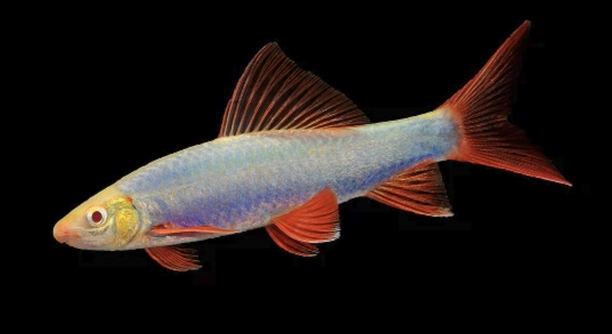
Are your Rainbow Shark tanks often a source of stress rather than enjoyment? Managing the delicate environment and the behavior of these fish can be challenging. Many fishkeepers seek simple ways to maintain calm and healthy tanks.
Reducing stress in your Rainbow Shark tank involves managing water quality, providing adequate space, minimizing sudden changes, and offering proper nutrition. Maintaining stable conditions and a peaceful environment supports the well-being and longevity of your fish.
Taking time to adjust your tank care routine can make a significant difference. Small, consistent actions help create a balanced habitat where your Rainbow Sharks thrive peacefully.
Maintain Stable Water Conditions
Water quality is essential to reduce stress in your Rainbow Shark tank. Frequent water changes help keep ammonia, nitrites, and nitrates at safe levels. Use a reliable water testing kit to monitor these parameters regularly. Avoid sudden shifts in water temperature or pH, as Rainbow Sharks are sensitive to rapid changes. Keeping the tank clean by removing uneaten food and waste also improves water clarity and reduces harmful bacteria. Using a quality filter suited for your tank size helps maintain steady water circulation and oxygen levels. It is important to cycle the tank properly before introducing any fish. Proper cycling establishes beneficial bacteria that break down waste, creating a healthier environment. Consistency is key, and small regular maintenance routines prevent stress caused by poor water conditions.
Proper water management keeps your Rainbow Sharks healthy and calm. Avoiding fluctuations in water parameters is the foundation of stress reduction.
Routine water care ensures your tank stays balanced. This allows your fish to focus energy on growth and activity rather than coping with unstable conditions. With patience and diligence, water management becomes second nature, creating a safer habitat for your Rainbow Sharks.
Provide Adequate Space and Hiding Spots
Rainbow Sharks are territorial and need enough room to swim freely. A tank size of at least 30 gallons is recommended for a single adult. Overcrowding increases stress and can lead to aggression. Adding rocks, plants, and decorations creates hiding places where fish can retreat. These areas reduce conflicts by offering personal space. Ensure decorations don’t block swimming areas or disrupt water flow. Using smooth materials prevents injuries. Placing hiding spots at different levels allows fish to establish territories and avoid direct confrontation. Observing your fish’s behavior helps identify if more space or additional hiding spots are needed. Regularly rearranging tank decorations can also reduce territorial disputes by resetting established boundaries.
Providing adequate space and shelter supports natural behaviors. It lowers stress and promotes harmony among tank mates. A well-structured tank encourages Rainbow Sharks to feel secure and less threatened, improving their overall health and activity levels.
Control Feeding and Diet
Feeding your Rainbow Shark the right diet is essential for its health and stress levels. Overfeeding or poor nutrition can cause health problems and increase stress.
Providing a balanced diet with high-quality pellets, occasional live or frozen foods, and vegetables supports their nutritional needs. Avoid feeding too much at once to prevent water pollution and digestive issues. Feeding small portions once or twice a day is ideal. Uneaten food should be removed quickly to maintain water quality.
Rainbow Sharks are omnivores and appreciate variety in their diet. Including blanched vegetables like zucchini or spinach promotes good digestion. Live foods like bloodworms or brine shrimp encourage natural hunting behavior and add stimulation. Feeding control improves their immune system and reduces aggressive behavior caused by hunger or boredom.
Minimize Sudden Changes
Avoid sudden changes in tank environment or routine. Sudden shifts in water temperature, lighting, or tank setup can cause stress to Rainbow Sharks.
Gradual adjustments allow fish to adapt without feeling threatened. For example, when changing water, replace only 20-30% at a time rather than all at once. Adjust lighting slowly to mimic natural day-night cycles. Introducing new tankmates or decorations should be done cautiously to prevent territorial disputes. Consistent feeding schedules also help maintain stability.
Stress caused by abrupt changes can weaken immune responses and increase vulnerability to disease. Keeping changes slow and predictable creates a calm, stable environment. This reduces anxiety and helps your Rainbow Sharks remain healthy and active. Establishing a reliable routine benefits both the fish and your enjoyment as a caretaker.
Avoid Overcrowding
Too many fish in the tank cause stress by limiting space and increasing waste. Overcrowding disrupts the balance and can lead to aggressive behavior among Rainbow Sharks.
A proper tank size and a reasonable number of fish prevent stress and promote healthier interactions.
Maintain Proper Lighting
Consistent lighting supports the natural rhythms of Rainbow Sharks. Avoid harsh or overly bright lights, as they can cause discomfort and stress. Use a timer to mimic day and night cycles.
Proper lighting helps regulate fish behavior and supports plant growth, improving overall tank health.
Keep Tank Clean
Regular cleaning removes waste and harmful buildup. Avoid cleaning everything at once to preserve beneficial bacteria.
Monitor Fish Behavior
Watch for signs of stress like hiding, rapid breathing, or aggression. Early detection helps prevent serious health issues.
How often should I change the water in my Rainbow Shark tank?
Water changes should be done weekly or biweekly, replacing 20-30% of the tank water each time. Frequent partial water changes help keep ammonia, nitrites, and nitrates at safe levels. Avoid replacing all the water at once to preserve beneficial bacteria. Regular water changes prevent the buildup of toxins and reduce stress for your fish.
What is the ideal tank size for a Rainbow Shark?
A minimum of 30 gallons is recommended for one adult Rainbow Shark. They are active swimmers and territorial fish, so adequate space is necessary to reduce aggression. Larger tanks allow for better water quality and more stable conditions, which lowers stress. Overcrowding often leads to fights and stress-related illnesses.
Can Rainbow Sharks live with other fish?
Yes, but choose tank mates carefully. Avoid other aggressive or similarly territorial fish. Peaceful species that occupy different tank levels work best, such as tetras or barbs. Make sure the tank is large enough to provide personal space and hiding spots for all fish. Watch for signs of aggression and separate fish if needed.
What should I feed my Rainbow Shark?
Rainbow Sharks are omnivores and require a varied diet. High-quality sinking pellets should be the main food. Supplement with live or frozen foods like bloodworms or brine shrimp and vegetables like blanched spinach or zucchini. Avoid overfeeding to prevent water quality issues and health problems. Feed small amounts once or twice daily.
How can I tell if my Rainbow Shark is stressed?
Signs include hiding more than usual, loss of appetite, rapid gill movement, faded colors, or increased aggression. Stress weakens their immune system and can lead to disease. If you notice these behaviors, check water quality and tank conditions immediately. Adjust care routines to create a calmer environment.
Why is stable water temperature important?
Rainbow Sharks prefer temperatures between 74°F and 80°F. Sudden temperature changes cause stress and weaken their immune system. Use a reliable heater and thermometer to maintain a consistent temperature. Avoid placing the tank near drafts, windows, or heating vents that cause fluctuations.
How often should I clean the tank decorations and substrate?
Clean decorations and substrate as needed, usually during water changes. Remove visible debris but avoid deep cleaning all at once to protect beneficial bacteria. Use aquarium-safe tools and avoid harsh chemicals. Keeping the tank clean helps prevent buildup of harmful bacteria that can stress fish.
Can rearranging tank decorations reduce stress?
Yes, rearranging decorations occasionally can reduce territorial disputes by resetting established boundaries. However, do this carefully and gradually to avoid causing more stress. Providing plenty of hiding places and space helps your Rainbow Sharks feel secure and lowers aggression.
Is lighting important for Rainbow Sharks?
Proper lighting mimics their natural environment and regulates behavior. Use moderate lighting with a timer to create day-night cycles. Too much light causes stress and algae growth; too little affects fish health and plant growth.
What role does tank filtration play in stress reduction?
A good filtration system maintains water quality by removing waste and toxins. It ensures proper oxygen levels and circulation, creating a stable environment. Poor filtration leads to harmful buildup, stressing your Rainbow Sharks and increasing the risk of illness.
Taking these factors into account supports a healthier, less stressful environment for your Rainbow Sharks. Consistent care and attention to their needs promote their well-being and longevity.
Caring for Rainbow Sharks requires attention to several important factors to reduce stress and keep them healthy. Stable water conditions, proper tank size, and good filtration are the foundation of a calm and balanced environment. Regular water changes and testing help prevent harmful chemical buildup, which can quickly harm fish. Keeping the tank clean without disturbing beneficial bacteria ensures a safe habitat. By maintaining a steady environment, Rainbow Sharks can avoid the stress caused by sudden changes or poor water quality.
Providing enough space and hiding places is also essential. Rainbow Sharks are territorial and need room to swim freely without feeling crowded. Decorations and plants give them places to retreat and reduce conflicts. Overcrowding can lead to aggressive behavior and stress, so choosing the right tank size and number of fish matters. Feeding a varied, balanced diet in appropriate amounts supports their health and reduces stress linked to hunger or poor nutrition. Small, consistent feedings and removing uneaten food keep the tank clean and safe.
Finally, minimizing sudden changes in lighting, water temperature, or tank setup helps Rainbow Sharks feel secure. Fish adapt better when changes happen gradually. Observing your fish’s behavior allows you to catch signs of stress early and take action. By following these guidelines, you create an environment where your Rainbow Sharks can thrive peacefully. Consistent care and patience will reward you with healthy, active fish that add beauty and life to your aquarium.

Hello,
If you enjoy the content that we create, please consider saying a "Thank You!" by leaving a tip.
Every little bit helps us continue crafting quality advice that supports the health, happiness, and well-being of pets around the world, for pets of all shapes, sizes, and species.
We really appreciate the kindness and support that you show us!