
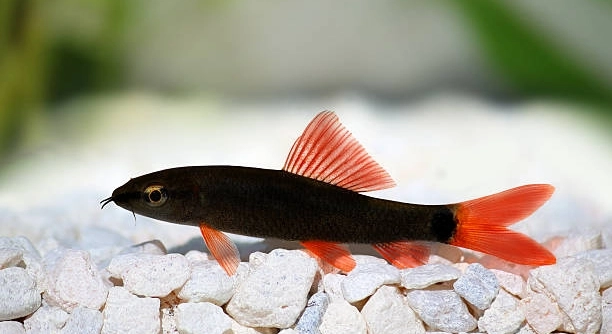
Are your rainbow shark’s tankmates constantly chasing or nipping at each other, making the aquarium feel more stressful than soothing?
The most effective way to manage aggression between tankmates is to evaluate tank size, hiding spaces, and compatibility. Rainbow sharks can be territorial, and cramped environments or poorly matched species often lead to tension.
Small changes in setup and species selection can lead to a more peaceful tank. Let’s go through the simple steps that can help your rainbow shark and its companions live together calmly.
Understand the Root of the Aggression
Rainbow sharks are known to be territorial, especially as they grow. If your tankmates are acting aggressive, it’s often because they feel crowded or threatened. A tank that is too small or lacking in proper structure can quickly become a source of stress. These fish prefer to have their own space, and they don’t do well in cramped tanks with species that share similar swimming levels. Stress, changes in water conditions, or even feeding competition can make things worse. Watch your fish closely for signs like constant chasing, hiding, or fin damage. These are signals that something isn’t right. Creating a calm and safe environment takes observation and small changes. Sometimes, just rearranging the decor or adding more plants can shift behavior in a positive way. Once you recognize what’s causing the tension, it becomes easier to fix it and keep your rainbow shark from feeling overly defensive.
Start by removing any obviously aggressive tankmates and isolate fish that appear stressed.
Proper monitoring and understanding of each fish’s behavior will help you react quickly. Pay attention to how they swim, eat, and interact. If needed, take notes. A peaceful tank often starts with knowing exactly what your fish are telling you without words.
Make Tank Adjustments When Needed
Always make sure your tank is large enough for all your fish to move freely.
Rainbow sharks need a minimum of 30 gallons to feel secure. When kept in smaller tanks, they may act out. Also, avoid overcrowding. Too many fish in one space increases tension. Add hiding spots like caves, plants, or driftwood. These give tankmates places to retreat and reduce visibility, which can help lower stress. Adjust the layout of your tank if one area seems to attract fights. Shifting rocks or decorations can help reset territories. Use a background to minimize outside distractions. Keeping lighting soft also helps reduce tension. Choose tankmates wisely—bottom dwellers like corydoras or species that stay in the upper water levels are better options. Avoid keeping other shark-like fish in the same tank. Stability in water conditions is key too, so test ammonia, nitrate, and pH levels regularly. When the space feels calm and safe, aggression usually decreases on its own.
Consider the Type and Number of Tankmates
Too many fish or the wrong mix can create constant stress. Rainbow sharks are semi-aggressive and don’t always do well in community tanks. Some species simply don’t mesh well with their territorial nature, especially those that are slow or have long fins.
Stick to tankmates that occupy different zones of the tank. Fast mid-level swimmers or peaceful bottom dwellers often work best. Avoid other territorial fish or anything that looks too similar to a rainbow shark. One rainbow shark per tank is usually enough, as they are known to fight with their own kind. Adding more of them, even in large tanks, often leads to ongoing conflict. Watch for signs of stress in new tankmates too. If a fish is hiding constantly or showing torn fins, it may not be the right fit. A balanced group makes a big difference in keeping your aquarium calm and healthy.
Even peaceful fish can become aggressive if they feel overcrowded. Overpopulation leads to competition for space, hiding spots, and food. Stick to the recommended number of fish based on your tank’s size. If you’re unsure, fewer fish are usually better than too many. You can always add more later once you’re confident the environment is stable.
Feed Carefully and Reduce Competition
Feeding time can be one of the most stressful parts of the day. If food is limited or spread unevenly, fish may fight over it. Feed small amounts in different areas of the tank to keep competition low.
Rainbow sharks are bottom feeders, so sinking pellets work well. At the same time, feed upper swimmers with floating flakes to avoid overlap. Never dump in all the food at once. Spread it out and take your time. Watch who’s eating and who’s not. If a fish consistently misses meals, it may become aggressive or weak. Feeding at the same time each day helps reduce anxiety. Also, make sure every fish gets the right type of food. Some may need veggie-based pellets, while others prefer protein. Balance is key. Overfeeding can cloud water and raise stress too, so stick to what they can finish in a few minutes. Consistent, calm feeding helps lower aggression.
Watch for Stress Signals Early
Fish that constantly hide, breathe heavily, or stop eating are likely stressed. These are early signs that something in the tank isn’t right. Don’t wait for things to escalate—small changes can prevent injuries or long-term health issues.
Fin nipping, chasing, or sudden color changes are also common indicators. Keep an eye on interactions during feeding and around hiding spots. Catching these signs early helps you adjust before aggression becomes serious.
Separate When Necessary
If aggression doesn’t stop after making changes, it’s okay to separate the fish. Use a divider or move the aggressive one to a different tank. Long-term tension can cause injuries or illness. Sometimes, separation is the only way to restore peace and protect your fish from harm.
Stick to a Routine
Fish thrive on routine. Keep lighting, feeding, and cleaning schedules consistent. Sudden changes can stress them and lead to aggressive behavior. A stable routine helps your fish feel safe and secure.
How can I tell if my rainbow shark is bullying other fish?
Bullying usually looks like constant chasing, nipping at fins, or cornering other fish. If you notice one fish always on the attack while others hide or swim away, it’s a clear sign. Fin damage, torn scales, or stress-related behaviors in tankmates also point to bullying. Observing during feeding and play times is helpful because aggression often increases then.
What is the best tank size for a rainbow shark with other fish?
A minimum of 30 gallons is recommended for one rainbow shark, but larger tanks of 40 gallons or more work better if you want other fish. More space means less chance of territorial disputes. The bigger the tank, the more room each fish has to claim their own territory without constant overlap.
Can adding plants reduce aggression in my tank?
Yes, plants create hiding spots and break up the line of sight between fish. This helps reduce stress and gives shy or smaller fish places to escape. Live plants also improve water quality, which contributes to a healthier environment overall.
Should I keep more than one rainbow shark in the same tank?
It’s generally not recommended. Rainbow sharks are territorial and may fight each other, especially in smaller tanks. If you have a very large aquarium with plenty of hiding spaces, two might coexist, but conflicts are common.
How often should I clean the tank to keep fish calm?
Regular cleaning is important—about 25% water changes every one to two weeks are ideal. Clean filters and remove uneaten food and waste. Poor water quality raises stress levels and can increase aggression between fish.
What types of fish get along well with rainbow sharks?
Fish that swim in different zones usually do well together. Bottom dwellers like corydoras or peaceful mid to upper-level swimmers like danios or barbs often work. Avoid other aggressive or similar-looking fish to prevent territorial fights.
How can I safely separate aggressive fish?
Use tank dividers or a separate quarantine tank to isolate aggressive individuals. Make sure both tanks have similar water conditions to avoid shock. Temporary separation often calms tensions and prevents injury.
Is it normal for rainbow sharks to be aggressive at night?
Rainbow sharks can be more active during dim light or nighttime because they feel safer. If aggression increases then, it’s a sign your tank setup might not offer enough hiding spots or space. Adjusting the environment can help ease this behavior.
What should I do if a fish is injured after a fight?
Isolate the injured fish in a hospital tank if possible. Keep the water clean and consider adding aquarium salt to promote healing. Avoid stressing the injured fish with rough tankmates until it recovers fully.
Can diet affect aggression levels?
Yes, an unbalanced diet or not enough food can increase competition and fighting. Make sure to feed a variety of foods appropriate for each species. Feeding small amounts more frequently can reduce aggressive behavior during mealtime.
How can I prevent future conflicts in a community tank?
Plan tankmates carefully based on temperament and swimming zones. Provide plenty of hiding spots and enough space. Maintain clean water and a consistent routine. Observing behavior regularly and making small adjustments can stop conflicts before they start.
Do rainbow sharks need specific water conditions to stay calm?
They prefer slightly acidic to neutral water (pH 6.5–7.5) and temperatures between 74°F and 80°F (23°C to 27°C). Stable water parameters reduce stress and aggressive tendencies. Sudden changes can cause tension among all tankmates.
Is it okay to use medications if fish get stressed from fights?
Medications should be a last resort and only used if fish show signs of illness or infection. Stress alone doesn’t require medication but improving tank conditions and reducing aggression is more effective. Always follow guidelines and consult experts when needed.
Can rearranging the tank help with aggression?
Yes, changing decorations or the layout can disrupt established territories and reduce fights. New hiding spots or barriers can break lines of sight and give stressed fish places to escape. Try small changes and watch how fish respond.
How important is lighting for fish behavior?
Proper lighting supports natural rhythms. Too bright or constant lighting can stress fish and increase aggression. Using timers to simulate day and night helps fish feel secure and less defensive. Adjust light levels if you notice increased tension during bright hours.
Managing a tank with rainbow sharks and their tankmates can be challenging, but it is definitely doable with the right approach. These fish are naturally territorial, which means they will sometimes show aggression toward other fish in the tank. Understanding this behavior helps prevent problems before they start. Creating a tank environment with enough space, hiding places, and compatible tankmates is the key to keeping peace. Paying attention to your fish’s behavior daily will give you clues about when something needs to change. Small adjustments like rearranging decorations, adding plants, or changing who you keep together can make a big difference in reducing stress and aggression.
Feeding your fish carefully also plays a major role in how well they get along. When food is limited or unevenly distributed, fights can quickly break out. Feeding small amounts in different parts of the tank helps make sure all fish eat without competition. A balanced diet suited to each species will keep them healthy and calm. Keeping up with regular tank maintenance, such as water changes and filter cleaning, is equally important. Clean water supports fish health and lowers stress, which in turn reduces aggressive behavior. A stable routine with consistent lighting, feeding times, and cleaning schedules helps your fish feel safe and secure in their environment.
Sometimes, even after all efforts, conflicts can still happen. When that occurs, don’t hesitate to separate the aggressive fish temporarily or permanently if needed. Protecting injured or stressed fish is important for their recovery and overall well-being. Observing your aquarium regularly and acting on signs of bullying or stress will help keep your tank peaceful and healthy. Rainbow sharks are beautiful and interesting fish to keep, but they require some care and understanding to live well with others. With patience and attention, you can create a balanced community where all your fish thrive peacefully together.

Hello,
If you enjoy the content that we create, please consider saying a "Thank You!" by leaving a tip.
Every little bit helps us continue crafting quality advice that supports the health, happiness, and well-being of pets around the world, for pets of all shapes, sizes, and species.
We really appreciate the kindness and support that you show us!