
Is your rainbow shark acting strangely around its tankmates, leaving you unsure if it’s comfortable in its environment? Understanding the warning signs can help you provide a safer and more peaceful space for your fish.
Rainbow sharks often show discomfort with tankmates through aggressive behavior, hiding, chasing, fin nipping, or refusing to eat. These signs indicate stress or territorial issues, suggesting that the current tank setup may not be suitable or peaceful.
Learning these behaviors is important for preventing harm and keeping your fish healthy and calm in its shared environment.
1. Increased Aggression Toward Other Fish
Rainbow sharks are naturally territorial, but excessive aggression is a clear warning sign. If your shark constantly chases or nips at tankmates, it’s likely feeling threatened or crowded. This behavior can cause stress for other fish and create a tense environment. Over time, constant aggression may lead to physical injuries, loss of appetite, or isolation. It’s important to observe patterns—if your rainbow shark becomes the dominant force in the tank and shows no tolerance for others, it may need more space or a new arrangement. Rainbow sharks usually do best with fish that stay out of their preferred bottom areas. Crowded tanks, poor layout, or lack of hiding spaces can increase tension. Providing more hiding spots or rearranging the tank can sometimes help reduce this behavior. If nothing changes, separating aggressive fish may be necessary for everyone’s well-being.
Aggressive behavior is a sign your rainbow shark is not comfortable and may feel its space is being invaded.
Keep an eye on how it interacts with others during feeding or resting times. Tension during these moments often reveals deeper discomfort.
2. Constant Hiding or Staying in One Spot
When rainbow sharks hide often or stay still for long periods, it can signal stress or discomfort. This behavior may appear as resting in dark corners, behind decorations, or under rocks. While some hiding is normal, especially during the day, constant avoidance of other fish shows that your shark may not feel secure. Tankmates that swim too close or chase the shark can cause it to retreat for protection. In a peaceful environment, rainbow sharks are active and swim confidently along the bottom. A lack of movement or visible signs of fear means the tank setup or companions are not suitable. Consider whether there are enough hiding spaces and whether the other fish are too aggressive or too fast. Overactive tankmates can overstimulate and intimidate rainbow sharks, making them feel unsafe in their home.
A calm tank setup and careful pairing of species can help your shark feel more confident and active.
3. Loss of Appetite or Refusal to Eat
When a rainbow shark stops eating, it’s often reacting to stress from its tankmates. A peaceful and balanced environment supports healthy feeding habits.
Rainbow sharks typically eat sinking pellets, algae wafers, and frozen foods. If they begin avoiding meals or only eat when alone, discomfort may be the cause. Aggressive or fast-swimming tankmates might intimidate them during feeding, making them retreat. Sometimes, the shark appears interested in food but backs away once other fish approach. This behavior may worsen if the tank is crowded or lacks designated feeding zones. A stressed fish won’t eat properly and can quickly become weaker. Watch for weight loss or leftover food near their hiding spots. Creating calm feeding routines and reducing tank aggression may help your shark regain interest in eating and feel safer.
Adjusting feeding times or using feeding rings can give your rainbow shark a better chance to eat undisturbed. Always monitor how others react.
4. Frequent Scrapes or Damaged Fins
Repeated scrapes or torn fins usually mean your rainbow shark is being chased or harassed. Damage like this is not always from physical fights; it can also come from rubbing against rough surfaces while fleeing.
When a rainbow shark doesn’t feel safe, it may try to escape danger by hiding in tight, rough areas. This can cause scrapes along its body or damage to its fins and tail. If other fish are nipping at it or pushing it into hiding, the shark’s health will decline. Damaged fins may develop infections, especially in tanks that aren’t cleaned often. If you notice tears, white edges, or red patches on the fins, take action quickly. Quarantining the shark for a few days can help with healing, while also allowing you to reassess tank dynamics. Soft decorations and smoother hiding spots may reduce injury risk. Avoid sharp décor, and keep the water clean and stable to support healing.
5. Rapid Swimming or Erratic Movements
Sudden bursts of speed or darting around the tank can show that your rainbow shark feels threatened or anxious. This is often triggered by tankmates that invade its space or behave unpredictably.
Erratic movements may also happen if your shark feels cornered or overwhelmed. It’s a way of trying to escape.
6. Color Fading
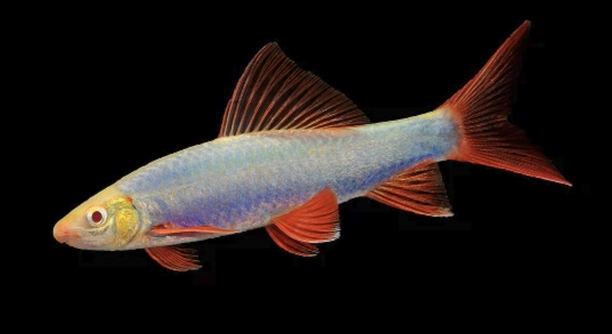
A rainbow shark’s deep black body and bright red fins should look bold and healthy. When their colors begin to fade, it often means they’re under stress. Poor water quality, aggressive tankmates, or lack of hiding spaces may all contribute. Faded color can also lead to lowered immunity, making your shark more vulnerable.
7. Glass Surfing
Pacing or rubbing against the glass, known as glass surfing, is a common sign of discomfort. It often happens when the shark feels trapped or unsettled in its environment.
FAQ
How can I tell if my rainbow shark is being bullied by other fish?
Signs of bullying include torn fins, hiding for long periods, loss of appetite, and erratic swimming. If you notice the rainbow shark constantly retreating to the same corner or hiding spot, it’s likely feeling threatened. Fish that chase or nip at the shark often create a stressful environment. Watch closely during feeding times—if your rainbow shark avoids the food or swims away from more dominant fish, it’s another sign of discomfort. Scratches or faded color may also appear over time. These are not just physical changes—they’re signs your fish is not thriving.
What tankmates are safe for a rainbow shark?
Choose calm, mid-to-top level swimmers that won’t compete for space or food. Rainbow sharks are bottom dwellers and often become territorial with similar species. Good options include barbs, danios, and gouramis. Avoid bottom-feeders like red tail sharks, other rainbow sharks, or aggressive catfish. If two territorial fish are placed together, conflict is likely. It’s best to have only one rainbow shark per tank. Also, ensure tankmates aren’t too small, as they may be seen as food or may trigger chasing behavior. Aim for species that give your shark enough space to swim and rest peacefully.
What tank setup helps reduce stress for rainbow sharks?
A tank that’s at least 50 gallons with plenty of plants, caves, and hiding spots is ideal. These elements help your rainbow shark feel secure. Use smooth decorations to avoid injuries and place objects to break the line of sight, which reduces territorial behavior. Include dim lighting or floating plants to make the tank less stressful. Rainbow sharks appreciate a stable environment, so avoid sudden changes in temperature, water quality, or layout. Use a gentle filter to maintain clean water without strong currents. Keeping the tank quiet and well-organized makes a big difference.
Can rainbow sharks be kept in a community tank?
Yes, but only under the right conditions. Rainbow sharks can do well in community tanks when given enough space and peaceful companions. Overcrowding or poorly matched species will likely cause conflict. If your rainbow shark is young, it may adapt more easily, but older sharks often become more territorial. Monitor behavior closely during the first weeks. Any sign of aggression or hiding may mean the setup needs adjustment. Community tanks must be balanced carefully to meet the needs of all species involved. Make sure everyone has room to swim and retreat.
Why is my rainbow shark hiding all the time?
Constant hiding is usually a response to stress. This could be from aggressive tankmates, a poor tank layout, or loud environments. It may also happen if the tank is too small or lacks proper shelter. When a rainbow shark doesn’t feel safe, it will avoid open areas. Check for signs of aggression from other fish and provide more caves or plants for coverage. A stressed fish may also stop eating or become pale. Sometimes, even strong lighting can cause hiding. Create a calm space where your fish feels protected and comfortable moving around.
How do I stop aggression between my rainbow shark and other fish?
Start by giving the shark more space. Rearranging decorations and adding hiding spots can break territories and reduce aggressive patterns. Sometimes, removing the aggressive fish for a few days helps reset behavior. If that doesn’t work, consider rehoming the most dominant fish. Avoid pairing rainbow sharks with other bottom-dwelling or similarly shaped species. Feed them separately to avoid competition. Use tank dividers temporarily if needed. Keep in mind, aggression won’t always stop on its own—it usually needs direct action. Observe carefully and adjust the setup based on your fish’s specific behavior.
Final Thoughts
Rainbow sharks are bold, active fish that bring energy and personality to a tank, but they also need the right setup to stay healthy and happy. When placed in the wrong environment or with unsuitable tankmates, they often show clear signs of stress. These signs may seem small at first—like hiding more than usual or skipping meals—but they can quickly lead to health issues and serious aggression. Learning to read these signs early helps you make changes before things get worse. Watching your shark closely and responding to its behavior is one of the most important parts of keeping it safe.
The most common issues with rainbow sharks come from space, tank layout, and poor pairings. These fish are territorial by nature and often do best when given room to claim their own area. When other fish invade that space, the shark may react by chasing, fighting, or retreating completely. Choosing peaceful tankmates and avoiding bottom-dwelling species helps reduce stress. It’s also helpful to rearrange the tank every so often so that no one fish becomes too dominant. Hiding spots, smooth decorations, and clear swimming paths all support a calmer tank environment.
When your rainbow shark is comfortable, it will swim confidently, eat regularly, and display rich color. If it starts acting differently—rubbing against the glass, darting around, or showing faded fins—those are signs something needs to change. You don’t always need to remove fish right away. Often, small adjustments like adding a cave or changing feeding times can make a difference. Still, don’t ignore signs of stress for too long. Rainbow sharks are hardy, but ongoing stress will take a toll. Keeping the water clean, the tank quiet, and the setup balanced gives your rainbow shark the best chance to thrive in a shared space. By watching for these signs and understanding what they mean, you’re more likely to keep both your rainbow shark and its tankmates safe and comfortable.

Hello,
If you enjoy the content that we create, please consider saying a "Thank You!" by leaving a tip.
Every little bit helps us continue crafting quality advice that supports the health, happiness, and well-being of pets around the world, for pets of all shapes, sizes, and species.
We really appreciate the kindness and support that you show us!