
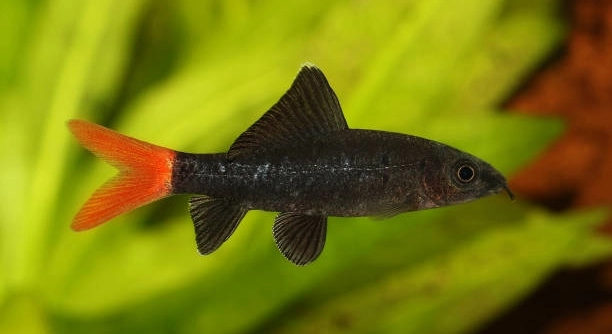
Rainbow sharks are popular aquarium fish known for their striking colors and active behavior. Keeping them healthy requires knowing how to spot early signs of illness. Recognizing these signs quickly can help prevent serious health problems.
Early detection of illness in rainbow sharks involves observing changes in their behavior, appearance, and swimming patterns. Common indicators include loss of appetite, discoloration, fin damage, and unusual lethargy. Timely identification is essential for effective treatment and recovery.
Knowing these warning signs can protect your fish and keep your aquarium vibrant. The following tips will help you watch for illness before it worsens.
Changes in Appetite and Eating Habits
A rainbow shark that suddenly loses interest in food or eats much less than usual might be showing early signs of illness. These fish are typically active feeders, so a drop in appetite is often a clear indicator that something is wrong. Sometimes, they may hide more and avoid the feeding area, which can be unusual behavior. If your rainbow shark refuses food for more than a day or two, it’s important to watch for other symptoms like swelling or discoloration. Illness or stress can reduce their hunger, and quick action can help prevent worsening conditions. Feeding quality food and maintaining clean water also play a role in keeping their appetite steady.
Reduced eating can lead to weakened immunity and slower healing. It’s important to observe their feeding habits regularly to catch problems early before they become serious.
Keeping a feeding schedule and noting changes in appetite can help you notice health issues quickly. Early intervention can make a big difference in your rainbow shark’s recovery.
Noticeable Color and Fin Changes
Color fading or spots appearing on the skin and fins are clear signs that your rainbow shark may be sick. Healthy rainbow sharks have vibrant, shiny colors that stand out in the tank. If you see dullness, pale patches, or torn fins, these could be symptoms of infections or poor water quality. Sometimes, fins may look ragged or have white edges, which can indicate fin rot or parasites. It’s important to check water parameters regularly since dirty water causes many common fish illnesses. Clean water and good tank conditions support their natural color and healing.
Discoloration and fin damage require immediate attention to avoid further health problems.
Watching closely for these changes can prevent illness from worsening. Maintaining proper tank care and prompt treatment when you see these signs will protect your fish. A healthy environment keeps your rainbow shark bright and active.
Unusual Swimming Behavior
Changes in swimming patterns often indicate illness in rainbow sharks. Erratic movements, swimming near the surface, or staying at the bottom of the tank more than usual can be warning signs. These behaviors show discomfort or distress.
When a rainbow shark swims abnormally, it may be suffering from stress, parasites, or poor water quality. Erratic swimming includes darting quickly around the tank, rubbing against objects, or floating without control. Sometimes, the fish may stay motionless for long periods or struggle to maintain balance. This can result from swim bladder problems or infections. Observing your fish closely helps you notice these early warning signs. Keeping the tank clean and stable in temperature reduces the chances of illness related to swimming issues.
If abnormal swimming continues, consider testing water parameters and isolating the affected fish for treatment. Proper care can restore normal swimming and improve overall health.
Physical Changes in Body Shape
Swelling, bloating, or sudden weight loss in a rainbow shark are serious signs of illness. These changes are visible and usually signal internal problems like infections or organ failure.
Abnormal body shape can mean your fish is fighting disease or suffering from poor nutrition. Swelling might appear around the belly or head and could be caused by dropsy or parasites. On the other hand, weight loss shows up as sunken sides or a thinner appearance, often linked to internal parasites or chronic illness. It is important to track these changes regularly to catch health issues early. Feeding a balanced diet and maintaining good water quality help prevent physical deterioration.
If you notice these symptoms, separate the fish and consult treatment options quickly. Early care improves chances for recovery and prevents further damage.
Clamped Fins
Clamped fins occur when a rainbow shark holds its fins tightly against its body instead of spreading them out naturally. This is often a sign of stress or illness.
This behavior may indicate poor water conditions, parasites, or bacterial infections. It’s important to check tank health and treat any problems quickly to help your fish feel better.
Excessive Mucus Production
An increase in mucus on the body or fins can signal infection or irritation. The mucus may appear thick or cloudy and make the fish look slimy. This is often a defense response against parasites or poor water quality. Regular water testing and maintaining cleanliness can reduce mucus buildup. Treating the tank promptly when problems arise helps the rainbow shark stay healthy and comfortable.
Labored Breathing
Labored breathing is seen when your rainbow shark breathes rapidly or struggles to take in air. This can be caused by poor oxygen levels, gill infections, or toxins in the water. Monitoring water quality and providing good filtration can ease breathing problems.
Lethargy
Lethargy means the fish is unusually inactive or hiding more than usual. This often points to sickness or stress.
FAQ
How often should I check my rainbow shark for signs of illness?
It’s best to observe your rainbow shark daily during feeding and while it swims around the tank. Early signs like changes in appetite, color, or behavior can appear quickly. Regular checks help catch problems before they become severe.
What water conditions are ideal for rainbow sharks?
Rainbow sharks prefer clean, well-filtered water with temperatures between 72°F and 79°F (22°C to 26°C). pH should be stable around 6.5 to 7.5. Keeping nitrate and ammonia levels low reduces stress and illness risks.
Can stress cause illness in rainbow sharks?
Yes, stress weakens their immune system, making them more vulnerable to infections. Stress can come from poor water quality, overcrowding, aggressive tank mates, or sudden changes in the environment. Reducing stress helps keep them healthy.
What should I do if my rainbow shark stops eating?
If your fish refuses food for more than two days, check water quality and look for other symptoms like fin damage or unusual swimming. Consider isolating the fish to prevent spreading illness. Consult treatments based on observed signs.
Are there common diseases I should watch for?
Common problems include fin rot, ich, swim bladder disease, and parasitic infections. Each shows different symptoms such as torn fins, white spots, erratic swimming, or bloating. Early detection and treatment are crucial.
How can I prevent illness in my rainbow shark?
Maintain a clean tank with regular water changes, feed a balanced diet, avoid overcrowding, and quarantine new fish before adding them. Good tank care reduces risks and supports overall health.
Is it normal for rainbow sharks to hide a lot?
Rainbow sharks are active but can hide if stressed or sick. Frequent hiding may indicate illness, poor water conditions, or aggressive tank mates. Observe other signs before assuming it’s normal behavior.
Can I treat my rainbow shark’s illness at home?
Some minor illnesses respond well to over-the-counter medications and improved tank care. However, serious infections or physical injuries may require professional advice. Always follow treatment instructions carefully.
How long does it take for a sick rainbow shark to recover?
Recovery time depends on the illness severity and how quickly treatment starts. Mild issues may improve in a few days, while severe infections can take weeks. Consistent care and clean water support faster healing.
When should I consider removing my rainbow shark from the main tank?
If you notice contagious symptoms like white spots or fin rot, or if the fish shows severe distress, isolate it to prevent spreading illness. A quarantine tank allows safer treatment and recovery.
What signs mean the illness is getting worse?
Worsening symptoms include increased lethargy, rapid breathing, severe fin damage, swollen body, or loss of balance. If these appear, act quickly by improving water quality or seeking treatment options.
Can diet affect my rainbow shark’s health?
Yes, a varied and balanced diet strengthens the immune system. Feeding high-quality flakes, pellets, and occasional live or frozen foods helps keep your fish healthy and better able to resist illness.
How do I know if water quality is causing my fish’s sickness?
Poor water quality often causes many symptoms, including clamped fins, labored breathing, and color changes. Testing ammonia, nitrite, nitrate, and pH regularly helps detect problems early. Fixing water issues usually improves the fish’s condition quickly.
Are there any signs of illness specific to rainbow sharks?
Swelling around the belly or head, and sudden changes in body shape, are common in rainbow sharks when sick. They also tend to swim near the bottom or stay hidden when unwell, which differs from their usual active swimming behavior.
What is the best way to help a sick rainbow shark?
Start by improving water conditions, isolate the fish if needed, and use appropriate medication based on symptoms. Monitor the fish daily and adjust treatment as necessary. Patience and consistency are key to recovery.
Taking good care of your rainbow shark means paying close attention to its health every day. These fish are generally hardy, but they can still get sick if conditions are not right. Watching for early signs like changes in appetite, color, or behavior can make a big difference. When you notice something unusual, acting quickly by checking water quality and considering treatment helps prevent serious problems. Keeping the tank clean and stable is one of the best ways to avoid illness. A healthy environment supports your fish’s immune system and overall well-being.
It is also important to understand that stress plays a major role in your rainbow shark’s health. Factors like overcrowding, aggressive tank mates, or sudden changes in water temperature can weaken the fish. Stress makes it easier for disease to take hold. Simple steps like providing enough space, maintaining proper water parameters, and avoiding rapid changes help reduce stress. Feeding your rainbow shark a balanced diet with good quality food supports its immune system. Healthy fish are better equipped to fight off infections and heal faster when sick.
Regular observation and care are key to enjoying a lively and colorful rainbow shark in your aquarium. Each small detail matters, from how the fish swims to how it looks and eats. If you ever feel unsure about signs of illness or treatment, seeking advice from experienced aquarists or professionals can help. Remember, early detection and proper care improve the chances of recovery and keep your fish happy. A consistent routine of maintenance and attention is the best way to ensure your rainbow shark stays healthy for a long time.

Hello,
If you enjoy the content that we create, please consider saying a "Thank You!" by leaving a tip.
Every little bit helps us continue crafting quality advice that supports the health, happiness, and well-being of pets around the world, for pets of all shapes, sizes, and species.
We really appreciate the kindness and support that you show us!