
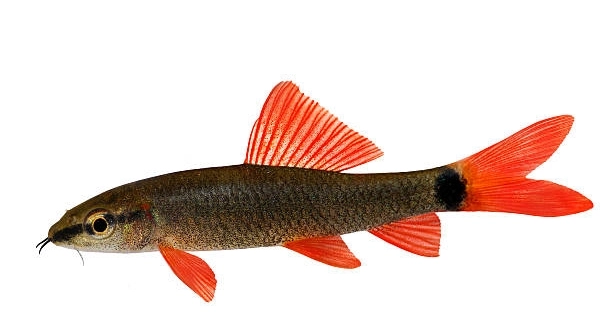
Rainbow sharks are popular aquarium fish known for their striking colors and active behavior. Keeping them safe and secure in a tank requires specific attention. Ensuring a secure environment helps maintain their health and reduces stress.
Securing a rainbow shark tank involves proper tank setup, using sturdy lids, maintaining stable water conditions, and preventing overcrowding. It also includes regular maintenance, adequate hiding spots, and monitoring for aggressive tank mates to protect the fish.
These simple security steps can greatly improve your rainbow shark’s well-being and create a safe, comfortable aquatic home. The following tips will help you keep your tank secure and healthy.
Choose the Right Tank Size
A suitable tank size is essential for rainbow sharks to thrive. These fish can grow up to six inches and need plenty of swimming space. A tank smaller than 30 gallons can cause stress and aggression due to limited space. A larger tank allows the fish to establish territories and reduces conflicts. It’s also easier to maintain stable water conditions in a bigger tank. When setting up, aim for a tank with ample room for decorations and hiding spots. This will create a comfortable environment where your rainbow sharks can explore and feel secure. Avoid overcrowding by limiting the number of fish according to the tank size. Proper space helps minimize aggressive behavior and promotes healthier interactions among tank mates. Investing in a larger tank upfront can prevent many common issues associated with stress and territorial disputes.
Keeping your rainbow shark in a properly sized tank supports its health and behavior significantly.
Selecting the right tank size is a foundational step to secure your rainbow shark. It reduces stress and aggression, offering them space to swim freely. Overcrowding not only stresses the fish but can also lead to poor water quality. A larger tank helps maintain stable parameters, making it easier to control temperature, pH, and waste buildup. This stability is key to preventing disease and ensuring longevity. Besides space, a bigger tank allows you to add decorations, plants, and hiding spots, which are crucial for the fish’s security. These elements provide refuge and reduce visible conflicts. It also helps create zones where the rainbow shark can retreat if needed. Overall, a tank of at least 30 gallons is recommended for one rainbow shark, with larger tanks required if you plan to keep multiple fish or other species.
Secure the Tank Lid Properly
A secure lid prevents your rainbow shark from jumping out, which they are known to do. It also keeps debris and other animals out. Make sure the lid fits tightly and is made from durable material.
Using a proper lid is one of the easiest ways to keep your tank safe. Fish jumping accidents can be fatal, so covering the tank reduces risks. A tight-fitting lid also helps maintain humidity and temperature levels. Choose lids with ventilation to allow fresh air while keeping the tank enclosed. Glass or acrylic lids are durable and provide clear viewing. Avoid loose-fitting covers, as they can fall or shift, endangering your fish. Proper lids also prevent other pets or children from accessing the water. This keeps the tank environment controlled and less prone to contamination. Installing secure lids is a small but critical step in tank safety. It adds peace of mind while protecting your fish from unexpected accidents or escapes.
When choosing a lid, consider its weight and ease of access for feeding and maintenance. Ensure it locks or fits snugly without gaps. This will help maintain a safe, stable environment for your rainbow shark.
Maintain Stable Water Conditions
Keeping water parameters stable is crucial for rainbow sharks’ health. Sudden changes can stress them, leading to illness. Regular testing and gradual adjustments are necessary to maintain proper temperature, pH, and ammonia levels.
Water quality directly impacts the well-being of your rainbow shark. These fish thrive in water temperatures between 74°F and 80°F and prefer a pH level around 6.5 to 7.5. Ammonia and nitrite levels should always be kept at zero, as even small amounts can be harmful. Performing partial water changes weekly helps control waste buildup and keeps the environment clean. Using a reliable water testing kit allows you to monitor these parameters closely. If you notice any sudden changes, adjust conditions slowly over several days to avoid shocking the fish. Maintaining a consistent environment supports their immune system and reduces stress.
In addition to regular water changes, proper filtration is key. A strong filter removes toxins, excess food, and waste, helping to stabilize water chemistry. Avoid overfeeding, as uneaten food can pollute the tank. Keeping plants or live decorations can also improve water quality by absorbing nitrates. When introducing new water, ensure it is treated and matches the tank’s temperature. Consistency in care and water management is essential to prevent common diseases and promote long-term health.
Provide Hiding Spots and Decorations
Hiding spots reduce stress and aggression by giving rainbow sharks places to retreat. Use rocks, caves, or plants to create secure areas within the tank.
Providing adequate hiding places creates a safer environment for your fish. Rainbow sharks are territorial and sometimes aggressive, especially when they feel threatened. Decorations like smooth rocks, driftwood, or PVC pipes can serve as shelters. Live or artificial plants offer cover and break line of sight, which helps reduce confrontations. Arrange these items to form distinct territories, allowing fish to claim their own space. Avoid sharp or rough decorations to prevent injuries. Adding these features encourages natural behavior and gives your rainbow sharks a chance to rest away from more active tank mates. Regularly check that hiding spots remain clean and free from algae or debris to maintain their effectiveness.
Avoid Overcrowding the Tank
Overcrowding leads to stress and increased aggression among rainbow sharks. Each fish needs enough space to swim and establish territory.
Too many fish in one tank reduce oxygen levels and cause faster waste buildup. This harms water quality and makes it harder to maintain stable conditions.
Monitor Tank Mates Carefully
Rainbow sharks can be territorial and may bully smaller or slower fish. Choose tank mates that are peaceful and can hold their own. Avoid aggressive or very passive species to maintain balance and prevent conflicts.
Perform Regular Tank Maintenance
Regular cleaning and water changes prevent toxin buildup and keep the environment safe. Removing debris and replacing part of the water weekly supports your rainbow shark’s health.
Feed a Balanced Diet
A balanced diet promotes strong health and vibrant colors. Use quality flakes, pellets, and occasional live or frozen foods to meet nutritional needs.
How often should I change the water in my rainbow shark tank?
Changing about 20-25% of the water weekly is ideal. This helps remove toxins and keeps the water clean without shocking the fish. Avoid changing too much water at once, as sudden shifts in water chemistry can stress your rainbow shark. Use a water conditioner to treat tap water before adding it to the tank. Regular water changes support stable conditions, which are crucial for your fish’s health and comfort.
What is the best temperature range for rainbow sharks?
Rainbow sharks do best in temperatures between 74°F and 80°F (23°C to 27°C). Staying within this range ensures their metabolism functions properly and reduces stress. Use an aquarium heater and thermometer to maintain consistent warmth. Avoid sudden temperature changes, as they can weaken the fish’s immune system and increase the risk of illness.
Can rainbow sharks live with other fish?
Yes, but tank mates must be chosen carefully. Rainbow sharks are territorial and may show aggression toward smaller or slow-moving fish. Suitable companions include larger, fast-swimming species that can hold their own, such as danios or barbs. Avoid very passive or aggressive fish to reduce conflicts. Always monitor interactions, especially when introducing new fish.
Why does my rainbow shark hide all the time?
Hiding is normal behavior, especially if the fish feels stressed or threatened. Overcrowding, poor water quality, or aggressive tank mates can cause excessive hiding. Providing plenty of hiding spots and maintaining stable water conditions helps your fish feel secure. If hiding persists, check water parameters and tank setup for possible problems.
How big should my tank be for one rainbow shark?
A minimum of 30 gallons is recommended for a single rainbow shark. This size allows enough swimming space and helps maintain stable water quality. If you plan to keep multiple rainbow sharks or other fish, a larger tank is necessary to prevent overcrowding and reduce aggression.
What should I feed my rainbow shark?
Rainbow sharks are omnivores and need a varied diet. High-quality flakes or pellets designed for bottom feeders are good staples. Supplement their diet with live or frozen foods like bloodworms, brine shrimp, or daphnia. Feeding small amounts two to three times a day helps prevent overfeeding and water pollution. A balanced diet supports their health and vibrant colors.
How can I tell if my rainbow shark is sick?
Signs of illness include lethargy, loss of appetite, abnormal swimming, spots or sores, and faded colors. If you notice any of these symptoms, check water quality immediately and isolate the fish if possible. Early intervention improves chances of recovery. Maintaining proper tank conditions and diet helps prevent many common diseases.
Is it normal for rainbow sharks to jump out of the tank?
Yes, rainbow sharks are known to jump occasionally. This makes having a secure, tight-fitting lid very important to prevent accidents. Jumping can happen due to stress, poor water quality, or aggressive tank mates. Ensuring a comfortable environment reduces the chances of your fish trying to escape.
How often should I clean the tank decorations and substrate?
Cleaning decorations and substrate once a month or as needed helps prevent algae buildup and waste accumulation. Use gentle methods like rinsing with tank water or using a soft brush. Avoid harsh chemicals, as they can harm beneficial bacteria and fish. Regular cleaning supports a healthier tank environment and reduces disease risks.
Can rainbow sharks live in a community tank?
They can, with the right conditions and tank mates. Due to their territorial nature, the tank should be large enough to provide separate spaces for each fish. Include plenty of hiding spots and monitor behavior to prevent bullying. A well-planned community tank can be successful but requires careful management to keep peace.
Creating a secure and healthy environment for your rainbow shark is essential to its well-being. This involves several important steps, such as choosing the right tank size, maintaining stable water conditions, and providing hiding spots. Each of these elements helps reduce stress and aggressive behavior, which are common problems in poorly maintained tanks. A proper setup encourages your fish to display natural behaviors and stay healthy for a longer time. By paying attention to these details, you ensure your rainbow shark has a safe space to live comfortably.
Regular maintenance plays a crucial role in keeping your tank secure. This includes performing weekly water changes, monitoring water quality, and cleaning the tank decorations and substrate. Overcrowding should be avoided, as it can cause poor water conditions and increase stress among fish. Using a secure lid is a simple yet effective way to prevent your rainbow shark from jumping out or other pets from accessing the tank. Additionally, feeding a balanced diet supports their immune system and vibrant colors. These care routines build a stable environment that reduces the risk of illness and creates a peaceful community within the tank.
Ultimately, making your rainbow shark tank more secure requires consistency and attention to detail. Each aspect, from tank size to water quality and tank mates, contributes to the overall health of your fish. Taking time to observe your rainbow shark’s behavior and adjusting the environment accordingly will help you spot issues early and act on them. Providing a safe and stable home benefits not only the fish but also enhances your enjoyment as a keeper. Following these guidelines ensures that your rainbow shark can thrive in its aquarium for years to come.

Hello,
If you enjoy the content that we create, please consider saying a "Thank You!" by leaving a tip.
Every little bit helps us continue crafting quality advice that supports the health, happiness, and well-being of pets around the world, for pets of all shapes, sizes, and species.
We really appreciate the kindness and support that you show us!