
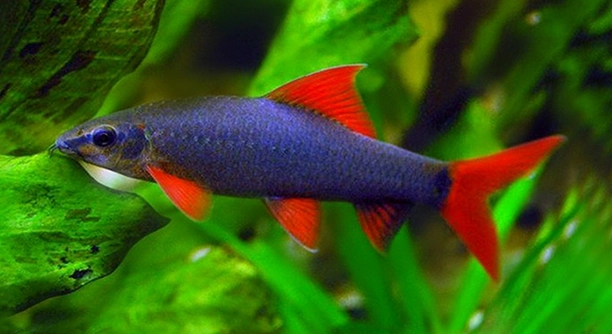
Is your rainbow shark spending more time hiding than swimming freely around its tank, leaving you worried about its behavior and health?
The most common causes of rainbow shark hiding include stress from tank mates, poor water conditions, lack of hiding spaces, and sudden environmental changes. Addressing these triggers can help reduce hiding and support healthier behavior.
Understanding each of these causes will give you the tools to create a better environment and encourage your rainbow shark to feel safe and active.
Stress from Tank Mates
Rainbow sharks are territorial by nature and don’t always get along with other fish. If they feel threatened or bullied by aggressive tank mates, they often retreat and hide for long periods. Fast-swimming or fin-nipping fish can make the rainbow shark feel overwhelmed, especially if the tank is too small to offer separate zones. Even other bottom dwellers may cause stress if they compete for space or food. If the shark doesn’t feel like it has control over its surroundings, hiding becomes a natural reaction. Keeping it with calm, non-aggressive species is usually a better option.
When tank mates crowd the rainbow shark or invade its space, it leads to chronic stress, which results in hiding.
Consider keeping your rainbow shark in a tank with peaceful species that occupy different levels of the tank. Monitor interactions closely, especially during feeding and resting times, to make sure your fish feels safe. Avoid keeping multiple rainbow sharks unless the tank is large enough to support separate territories. If you notice one fish chasing or nipping at the shark regularly, you may need to rehome one of them. A calm environment will allow your rainbow shark to become more visible and confident over time.
Poor Water Conditions
Dirty water can affect your rainbow shark’s behavior quickly. Poor conditions make it feel unsafe, leading to hiding.
Ammonia spikes, high nitrate levels, or unstable temperatures can all cause stress for a rainbow shark. Even subtle changes in pH or hardness may make it uncomfortable. When the water quality drops, the shark will retreat to shelter, trying to protect itself. It’s essential to keep the tank well-maintained with regular testing and weekly water changes. Aim for a temperature range between 75–81°F (24–27°C), pH between 6.5 and 7.5, and low ammonia or nitrite levels. Use a good filtration system and avoid overfeeding, which can lead to excess waste. A neglected tank not only makes your fish hide but can also affect its long-term health. Test your water weekly and clean the substrate to prevent harmful buildup. Proper water conditions go a long way in helping your rainbow shark feel secure and stay active.
Lack of Hiding Spaces
When a rainbow shark doesn’t have enough places to hide, it may become more anxious and try to stay out of sight. This often results in it wedging itself behind equipment or decorations that aren’t meant for shelter.
Rainbow sharks are naturally territorial and enjoy having a spot to claim as their own. Without proper caves, plants, or tunnels, they may feel unsafe and stressed, even in a peaceful tank. It’s important to include decorations that offer both visual cover and enclosed shelter. Smooth rocks, driftwood arches, and store-bought aquarium caves are all good options. Be sure to place shelters in quiet areas of the tank, not just the front where there’s high activity. Adding tall plants can also break up sightlines and reduce anxiety. Giving your shark a secure place to hide can actually make it come out more often, since it no longer feels exposed.
Spacing is just as important as the shelter itself. If the tank is small or overcrowded with decorations, your rainbow shark may still feel cramped. Make sure there’s enough open space to swim freely along the bottom and middle levels. A good layout includes 1–2 hiding spots per fish but also leaves gaps for movement. Avoid placing shelters too close together, as that can lead to territorial disputes or confusion. If your shark is constantly squeezed into corners or pressed against the filter, that’s a sign it’s not getting the space it needs. Creating a balanced tank layout helps reduce stress and encourages normal, confident behavior.
Sudden Environmental Changes
Rainbow sharks can become skittish and hide for days after a sudden environmental shift, especially changes in lighting, water temperature, or tank layout. These changes can overwhelm them, making the tank feel unfamiliar or unsafe.
Something as simple as switching out the substrate, adding new fish, or replacing a decoration can unsettle your rainbow shark. Even shifting the tank to a new spot in the room may cause confusion, particularly if the lighting changes. These fish are highly sensitive to their surroundings and often react with hiding when something feels different. To avoid this, try to make changes gradually and allow plenty of adjustment time. If you’re adding new plants or rearranging decor, do it in stages instead of all at once. Keep lighting consistent, both in intensity and timing. Consistency helps your rainbow shark feel more secure, which means less hiding and more confident swimming behavior.
Incompatible Lighting
Lighting that’s too bright can make your rainbow shark uncomfortable. These fish prefer dim or moderate light, and strong lighting may cause them to hide more often to avoid stress.
Using floating plants or adjustable lighting helps create a calmer environment. Soft light makes them feel safe and more willing to explore.
Illness or Injury
If your rainbow shark suddenly starts hiding and shows other signs like dull color, clamped fins, or lack of appetite, illness could be the cause. Internal parasites, bacterial infections, or physical injuries can make your fish feel weak and vulnerable, leading it to seek shelter more often. Keep an eye out for unusual swimming patterns, scratching against surfaces, or visible wounds. If symptoms appear, isolate the fish in a separate tank and consult with an aquatic vet or use appropriate medication. Quick action is important, as hiding due to illness often indicates discomfort. A healthy rainbow shark is typically active and alert when not resting.
Improper Tank Size
Rainbow sharks need space to feel secure. Tanks under 50 gallons often lead to stress and hiding due to limited swimming room.
FAQ
Why does my rainbow shark hide so much?
Rainbow sharks hide mainly due to stress or feeling unsafe in their environment. Common reasons include aggressive tank mates, poor water quality, lack of hiding spots, and sudden changes in the tank. These factors cause the fish to retreat and protect itself until conditions improve.
How can I tell if my rainbow shark is stressed?
Signs of stress include constant hiding, reduced appetite, faded colors, and sluggish swimming. You may also notice erratic movements or the fish staying in one spot for long periods. Stress can weaken their immune system, so it’s important to address the causes quickly.
What tank mates are suitable for rainbow sharks?
Choose peaceful fish that occupy different parts of the tank, like mid- or top-level swimmers. Avoid other bottom dwellers or aggressive species that compete for space. Good options include tetras, danios, and larger peaceful cichlids. Avoid overcrowding to reduce stress.
How often should I test water quality for my rainbow shark?
Test water parameters like ammonia, nitrites, nitrates, pH, and temperature at least once a week. Rainbow sharks are sensitive to changes, so regular checks help maintain a stable environment. Adjustments should be made promptly if any values are outside the recommended range.
What is the ideal tank size for a rainbow shark?
A minimum tank size of 50 gallons is recommended to provide enough space for swimming and territory. Larger tanks help reduce aggression and stress. Proper space allows the fish to establish its own territory, which decreases hiding and promotes natural behavior.
How can I create good hiding spots in the tank?
Use smooth rocks, caves, driftwood, and dense plants to create sheltered areas. Make sure hiding spots are spread out and placed in quieter parts of the tank. Avoid overcrowding the tank with decorations to leave open swimming areas.
What should I do if my rainbow shark is sick?
If your fish shows signs of illness such as hiding, loss of appetite, or unusual behavior, isolate it immediately. Test the water to rule out poor conditions. Consult an aquatic veterinarian or use recommended medications based on symptoms. Early treatment improves recovery chances.
Can sudden changes in the tank cause hiding?
Yes, rainbow sharks are sensitive to changes in lighting, decorations, water temperature, or tank placement. Sudden shifts can make the tank feel unfamiliar, causing stress and hiding. Make changes gradually and keep a consistent environment to avoid unsettling your fish.
Is overfeeding a problem for rainbow sharks?
Overfeeding can pollute the water and increase stress levels. Uneaten food decomposes and raises ammonia, which harms the fish. Feed small amounts once or twice daily, only as much as your fish can eat in a few minutes.
How do I encourage my rainbow shark to come out of hiding?
Ensure the tank has good water quality, suitable tank mates, and plenty of hiding spots. Maintain consistent lighting and stable temperature. Avoid sudden changes and provide a calm environment. Feeding at regular times can also encourage activity and reduce hiding behavior.
Rainbow sharks are beautiful and active fish when they feel safe and comfortable in their tank. However, hiding is a common behavior that usually signals something in their environment is not right. It is important to understand the various reasons behind this hiding to create a better living space for your fish. Factors like stress from tank mates, poor water quality, lack of hiding spots, or sudden changes can all contribute to their behavior. Paying attention to these details helps ensure your rainbow shark is healthy and less likely to stay hidden for long periods.
Taking the time to observe your rainbow shark closely can make a big difference. Notice how it interacts with other fish and check the water regularly to keep conditions stable. Providing enough room, a peaceful environment, and proper hiding places will support its natural behavior. Avoiding overcrowding and aggressive tank mates can reduce stress. Keeping water clean and consistent also plays a key role in preventing hiding caused by discomfort or illness. The better the environment, the more likely your rainbow shark will swim confidently and show its vibrant colors.
In the end, small adjustments can lead to big improvements. Making gradual changes instead of sudden ones will help your rainbow shark feel secure. Remember that each fish has its own personality and may take time to adapt. Being patient and attentive allows you to create a space where your rainbow shark feels safe and happy. When the right conditions are met, hiding will decrease, and your fish will thrive, making your aquarium a lively and enjoyable place.

Hello,
If you enjoy the content that we create, please consider saying a "Thank You!" by leaving a tip.
Every little bit helps us continue crafting quality advice that supports the health, happiness, and well-being of pets around the world, for pets of all shapes, sizes, and species.
We really appreciate the kindness and support that you show us!