
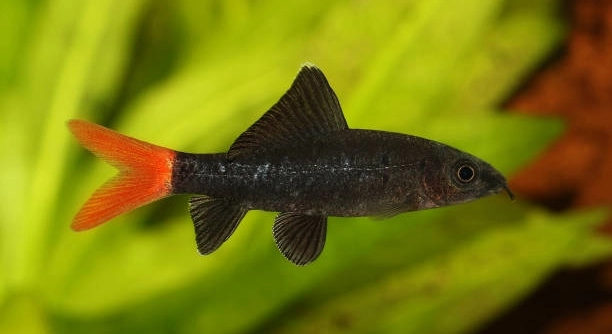
Is your rainbow shark spending more time hiding than swimming around its tank? Many fish keepers notice this shift and feel concerned. Understanding the reasons behind this behavior can help you take the right steps.
The most common reason your rainbow shark isn’t swimming enough is environmental stress. Factors like poor water quality, limited space, incompatible tank mates, or lack of hiding spots can significantly affect its activity levels and overall behavior.
Learning what’s causing your shark’s inactivity will help you create a more suitable habitat and improve its daily life in the tank.
Poor Water Conditions
Rainbow sharks are sensitive to changes in their environment, especially water quality. When ammonia or nitrite levels rise, or the pH becomes unbalanced, the fish may stop swimming as much and hide more often. Cloudy water, strong odors, or algae buildup are signs something may be wrong. Regular water changes, a strong filter, and consistent testing are important to keep conditions stable. Without clean water, your rainbow shark can become stressed or even sick. It may stop eating, swim less, and its color can fade. Poor water quality also affects oxygen levels, which are essential for active swimming and healthy gill function.
Fish in dirty or unstable water often behave differently. They might hover in one spot or hide in corners. This is their way of coping with discomfort and avoiding further stress.
Make sure to test your water at least once a week. Use a reliable test kit and keep records of ammonia, nitrites, nitrates, and pH. Do partial water changes every 1–2 weeks, depending on tank size and stocking. Clean the filter regularly, but don’t change everything at once to avoid shocking your fish. Also, check your tap water for chlorine or heavy metals that may harm aquatic life. A water conditioner can help neutralize harmful substances.
Tank Size and Space
A small tank can limit your rainbow shark’s movement. These fish need space to swim freely and establish their territory.
A rainbow shark should be kept in a tank that holds at least 50 gallons of water. Anything smaller can make the fish feel cramped and anxious, which often leads to reduced swimming and increased hiding. A cramped environment may also lead to aggressive behavior if other fish are nearby. Rainbow sharks are semi-aggressive by nature, especially in tight spaces. They feel more secure when they have space to roam and clearly defined areas. Adding caves or decorations can help divide the tank and make it easier for them to claim a spot. Open swimming areas are also important. Without enough room, their natural behaviors are restricted. This can lead to both stress and health problems. If your shark isn’t swimming much and your tank is under 50 gallons, upgrading the space may bring immediate improvements.
Aggressive Tank Mates
Rainbow sharks can become less active when they feel threatened. If they share their space with aggressive or overly active fish, they may hide more and swim less. This kind of stress affects their health and overall behavior.
Fish like cichlids, red-tailed sharks, or other territorial species often don’t get along well with rainbow sharks. These fish may chase or nip at your shark, especially in a tank that’s too small. Even fish that aren’t naturally aggressive might bother the shark if they’re too fast or overwhelming. Over time, your rainbow shark may stop swimming openly and hide to avoid confrontation. Signs of stress include torn fins, dull coloring, or reduced appetite. If this happens, separating the fish or rehoming aggressive tank mates may be necessary. Look for peaceful species that won’t challenge your rainbow shark, especially those that stay out of the lower part of the tank.
A peaceful community setup works better for rainbow sharks. Choose tank mates like barbs, danios, or rasboras that prefer the upper or middle levels. Avoid fish that also claim the bottom space, since rainbow sharks tend to guard that area. Giving your shark clear space and calm neighbors helps encourage regular movement. Monitor the tank regularly for any signs of tension or chasing. Even if aggression seems minor, repeated stress can discourage your fish from swimming normally. Rearranging the tank layout can help disrupt territorial behavior and reduce tension.
Lack of Hiding Spots
Without hiding spots, rainbow sharks can feel unsafe. This stress may cause them to limit their movement and stay close to corners or the substrate.
Rainbow sharks rely on structure and cover to feel secure. Natural hiding places like caves, driftwood, or dense plants give them a sense of protection. If the tank is too bare, the fish may feel exposed and react by becoming inactive. While it might seem like fewer decorations would encourage movement, it often has the opposite effect. Fish that feel threatened tend to hide more and swim less. This can also lead to long-term stress, affecting the immune system and making them more likely to get sick. Hiding spots help define territory, which reduces conflict and makes the fish more confident. Adding a few rock formations or artificial caves can make a big difference. Even just shifting decorations around can change how your rainbow shark behaves.
Illness or Injury
When a rainbow shark doesn’t feel well, it often reduces movement. Common illnesses like parasites, bacterial infections, or fin rot can make swimming painful or exhausting. Watch for signs like faded color, clamped fins, or changes in breathing.
Injuries from tank mates or sharp decorations may also lead to inactivity. Even minor wounds can affect swimming.
Inadequate Diet
A poor diet can affect a rainbow shark’s energy levels. Without proper nutrition, they may become sluggish or inactive. Rainbow sharks are omnivores and need a mix of plant-based and protein-rich foods. Flakes alone aren’t enough. Offer a variety of options like algae wafers, bloodworms, blanched vegetables, and high-quality sinking pellets.
Low Oxygen Levels
Poor water circulation or high temperatures can lower oxygen levels in the tank. When this happens, rainbow sharks may become less active and spend more time resting near the bottom.
FAQ
Why is my rainbow shark hiding all the time?
Rainbow sharks often hide when they feel stressed or unsafe. Common causes include aggressive tank mates, loud noises near the tank, poor water quality, or a lack of hiding spots. Even sudden changes in lighting or tank layout can trigger hiding behavior. If your shark is new to the tank, hiding is also normal during the adjustment period. Creating a quiet, stable environment with proper cover and enough space usually helps them feel more secure and encourages more natural swimming habits.
What should I feed my rainbow shark to keep it active?
A varied diet helps keep your rainbow shark healthy and active. These fish are omnivores, so offer them both plant and protein sources. Use high-quality sinking pellets as a base, and mix in algae wafers, frozen or live bloodworms, brine shrimp, and blanched vegetables like spinach or zucchini. Rotate foods to prevent boredom and make sure they’re getting enough nutrients. Avoid overfeeding, as leftover food can pollute the water and lead to more problems in the tank.
Can a rainbow shark live with other fish?
Yes, rainbow sharks can live with other fish, but tank mates must be chosen carefully. Avoid keeping them with other bottom-dwelling or similarly shaped fish, as this can lead to territorial behavior. Peaceful fish that swim in the upper or middle parts of the tank are usually better companions. Good choices include barbs, rainbowfish, and certain danios. Make sure the tank is large enough—at least 50 gallons—so that each fish has space. Too many fish or poor tank layout can lead to stress and aggression.
Do rainbow sharks get lonely?
Rainbow sharks are not social fish and do not need companions of the same species. In fact, keeping more than one in the same tank often leads to aggression unless the tank is extremely large and well-structured. They are more territorial than social and do better as the only rainbow shark in the aquarium. Providing the right tank conditions, hiding spots, and compatible tank mates will be more important to their well-being than companionship.
How long do rainbow sharks live?
With proper care, rainbow sharks can live for 5 to 8 years. Good water quality, a balanced diet, and a stress-free environment all contribute to a longer lifespan. Regular tank maintenance, stable temperature, and a proper filtration system will also help reduce the risk of disease. Avoiding overcrowding and choosing peaceful tank mates will lower stress and support better health over time.
Can low lighting affect rainbow shark behavior?
Rainbow sharks prefer moderate lighting. While they don’t need intense light, very low or inconsistent lighting can make them more cautious and cause them to hide more often. Try to keep a regular light cycle—around 8 to 10 hours of light per day—and use decorations or plants to break up light and give them shaded areas. This balance helps create a comfortable space where the shark feels safe and active.
How can I tell if my rainbow shark is stressed?
Signs of stress in rainbow sharks include hiding more than usual, pale or faded coloring, rapid gill movement, loss of appetite, and changes in swimming patterns. A stressed shark may also dart suddenly or avoid certain areas of the tank. If you notice any of these signs, check water quality first, then review tank mates, space, and diet. Identifying the issue early can help you fix the problem before it affects your shark’s health.
Is it normal for a rainbow shark to rest at the bottom?
It’s normal for rainbow sharks to spend time near the bottom, but if they’re always resting and not moving much, it could be a sign something’s wrong. Poor water quality, illness, low oxygen, or stress may be the reason. Healthy rainbow sharks are usually active and alert. Monitor your shark’s behavior over a few days to spot patterns and make any needed adjustments.
Final Thoughts
Taking care of a rainbow shark can be a rewarding experience, but it does come with its challenges. These fish are known for their bold personalities and territorial nature, which means they need a specific type of environment to stay healthy and active. If your rainbow shark isn’t swimming much, it’s usually a sign that something in the tank needs attention. It could be the water quality, the tank size, the type of food, or the behavior of other fish around them. Once you identify the issue, most changes are simple to make and can have a big impact on your shark’s activity and well-being.
Every part of the tank setup plays a role in your rainbow shark’s behavior. Clean water, proper filtration, and a balanced diet all help create a healthy environment. But it’s also important to give them space to swim and hide. Even the placement of decorations can make a difference. Try to avoid overcrowding the tank or mixing your shark with fish that are too aggressive or too similar in size and shape. If your rainbow shark has enough room and feels secure in its territory, it will be more likely to explore the tank and swim around during the day.
A rainbow shark that stays active is usually a healthy one. Watch for any sudden changes in behavior, eating habits, or appearance, and don’t hesitate to make adjustments when needed. Regular maintenance, weekly water tests, and varied feeding habits all help keep things on track. These fish may be independent and territorial, but they also rely on stable conditions to thrive. Taking a little extra time to observe their daily habits and making small improvements to their environment will lead to better results over time. A calm, clean, and spacious tank will give your rainbow shark what it needs to feel confident and stay active.

Hello,
If you enjoy the content that we create, please consider saying a "Thank You!" by leaving a tip.
Every little bit helps us continue crafting quality advice that supports the health, happiness, and well-being of pets around the world, for pets of all shapes, sizes, and species.
We really appreciate the kindness and support that you show us!