
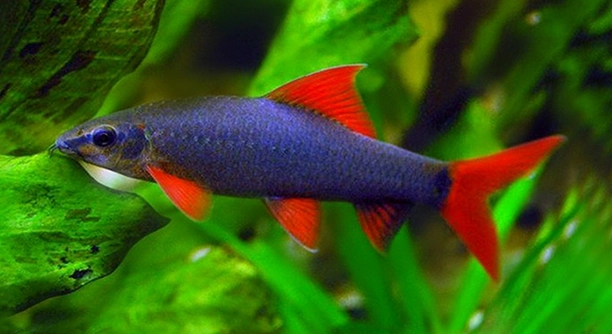
Rainbow sharks are popular freshwater fish known for their vibrant colors and active swimming. However, their aggressive behavior can sometimes cause concern for aquarium owners. Understanding the reasons behind this aggression is important to maintain a peaceful tank environment.
Rainbow shark aggression often results from factors such as territorial disputes, overcrowding, lack of hiding spaces, poor water quality, improper diet, stress, and incompatible tank mates. Addressing these issues can significantly reduce aggressive behavior and promote harmony in the aquarium.
Knowing the common causes of aggression helps fish owners create a balanced habitat. This article explains each cause and offers practical solutions for a calmer rainbow shark.
Territorial Disputes Among Rainbow Sharks
Rainbow sharks are naturally territorial, especially in confined spaces. When kept in small tanks or crowded environments, they often defend their area aggressively against other fish. This behavior can escalate into chasing, nipping, or fin biting. Providing enough room for each fish to establish its territory helps reduce stress and aggression. Decorations like rocks, plants, and caves create visual barriers that give rainbow sharks private spots to retreat. Without these breaks, they may feel threatened and act out more frequently. Regular tank maintenance also supports a healthy environment, reducing overall stress that can worsen territorial aggression.
Creating distinct territories with natural barriers helps rainbow sharks feel secure. This setup minimizes direct confrontations and aggressive displays, improving the tank’s peace and stability.
Establishing territories that allow fish to avoid constant close contact is key. Offering hiding spaces and enough swimming room reduces competition for space, calming aggressive tendencies. Regular observation ensures early detection of tension, allowing timely interventions such as rearranging the tank or separating overly aggressive fish.
Overcrowding and Its Effects
Overcrowding significantly increases aggression in rainbow sharks. When too many fish share limited space, stress levels rise, leading to fights and injury. Maintaining appropriate fish density supports healthier social behavior.
Too many fish in one tank cause stress and competition. This increases aggression as rainbow sharks struggle for space and resources.
Crowded tanks create constant competition for territory and food, which directly raises stress and aggressive responses. Rainbow sharks, being territorial, feel confined and pressured. This can lead to persistent chasing and fin damage. Overcrowding also deteriorates water quality more quickly, which further stresses the fish. Keeping the tank population within recommended limits ensures better oxygen levels, cleaner water, and more space for each fish. This balanced environment encourages less aggressive and more natural behaviors, helping rainbow sharks coexist peacefully. Regularly monitoring tank population and water parameters is essential to prevent overcrowding effects.
Lack of Hiding Spaces
Rainbow sharks need places to hide to feel safe. Without enough hiding spots, they become stressed and more aggressive. Adding caves, plants, or decorations helps create these safe zones.
Providing hiding spaces reduces stress and aggressive behavior by giving rainbow sharks places to retreat. This setup prevents constant exposure to other fish and territorial disputes.
When a tank lacks sufficient hiding areas, rainbow sharks can feel exposed and vulnerable. This stress often leads to increased aggression as they try to defend their space more aggressively. Including structures like driftwood, dense plants, or aquarium ornaments creates natural barriers that offer shelter. These hiding spots help fish relax and reduce the frequency of confrontations. It also mimics their natural environment, improving overall well-being. Careful tank decoration enhances the habitat and lowers tension among fish.
Poor Water Quality
Poor water quality increases stress, which triggers aggression in rainbow sharks. Regular water changes and filtration keep the tank environment stable and clean.
Maintaining good water quality reduces aggression by preventing stress caused by harmful ammonia, nitrites, or nitrates. Consistent monitoring supports healthier fish behavior.
Water that is not properly filtered or cleaned quickly accumulates toxins harmful to fish. Elevated ammonia or nitrite levels irritate rainbow sharks, weakening their immune system and making them more prone to aggressive behavior. Stress from poor water quality disrupts their natural calmness and increases territoriality. To prevent this, frequent water changes and effective filtration are crucial. Testing water parameters regularly helps identify problems early. Clean water supports the fish’s health and creates a peaceful aquarium environment where aggression is less likely to occur.
Improper Diet
An unbalanced diet can make rainbow sharks irritable and aggressive. Feeding them the right food helps maintain their health and calm behavior.
Providing a varied diet with high-quality pellets, vegetables, and occasional protein treats supports their well-being and reduces aggression.
Stress
Stress causes rainbow sharks to act aggressively. Changes in environment, handling, or tankmates can increase their stress levels and trigger this behavior.
Incompatible Tank Mates
Some fish species provoke rainbow sharks, leading to aggression. Choosing compatible tankmates reduces conflicts and keeps the aquarium peaceful.
What causes rainbow sharks to be aggressive?
Rainbow sharks are aggressive mainly due to territorial instincts. They defend their space from other fish, especially in smaller tanks or crowded conditions. Stress from poor water quality, lack of hiding spots, and incompatible tankmates also plays a big role in triggering aggression. Their natural behavior involves protecting their environment, which can be mistaken for hostility.
How can I reduce aggression in my rainbow shark?
Reducing aggression starts with providing a large enough tank to give each fish space. Adding plenty of hiding places like plants and caves helps them feel secure. Maintaining clean water and a balanced diet lowers stress, which reduces aggressive tendencies. Choosing peaceful and compatible tankmates is important, too, to prevent fights.
Is overcrowding a serious problem for rainbow sharks?
Yes, overcrowding greatly increases stress and competition for resources. When the tank is too full, rainbow sharks feel cornered and react aggressively to protect their territory. Keeping fish numbers appropriate for the tank size creates a calmer environment and minimizes conflict.
Can changing the tank layout help with aggression?
Changing the tank layout can help by breaking up established territories. Rearranging decorations, plants, and hiding spots forces fish to adjust, reducing aggressive guarding of spaces. This can lower tension between fish and promote a more peaceful atmosphere.
What is the ideal tank size for rainbow sharks?
A minimum of 30 gallons is recommended for one rainbow shark, with additional space needed for more fish. Larger tanks allow fish to establish territories without constant conflict, reducing aggression caused by overcrowding.
Are there specific tankmates that work well with rainbow sharks?
Peaceful, non-aggressive fish that prefer different tank levels tend to get along better with rainbow sharks. Avoid keeping other bottom dwellers or highly territorial species. Good companions include larger tetras, danios, or peaceful barbs.
How often should I clean the tank to prevent aggression?
Regular maintenance is crucial. Partial water changes of about 20-30% every week help keep water clean and toxin levels low. This prevents stress that can increase aggressive behavior.
Can diet changes impact aggression levels?
Yes, providing a nutritious, balanced diet supports overall health and behavior. Poor nutrition can lead to irritability and stress, increasing aggression. Feeding high-quality pellets, fresh vegetables, and occasional protein treats is ideal.
What signs show that aggression is becoming a problem?
Signs include frequent chasing, fin nipping, damaged fins, and visible wounds on fish. If aggression escalates, fish may hide constantly or show signs of stress like loss of appetite or faded colors.
Should aggressive rainbow sharks be separated?
If aggression causes injury or stress to other fish, separation might be necessary. This can be done by moving the aggressive fish to another tank or using tank dividers to prevent harm while maintaining social interaction.
Does lighting affect rainbow shark behavior?
Bright lighting can increase activity and stress in some fish, including rainbow sharks. Dimming lights or providing shaded areas can help reduce stress and limit aggressive behavior.
How important is water temperature in controlling aggression?
Keeping water temperature stable within the ideal range (around 72-79°F) supports healthy metabolism and behavior. Sudden changes or extreme temperatures cause stress, which may increase aggression.
Can aggressive behavior be completely eliminated?
Rainbow sharks are naturally territorial, so some aggression is normal. However, proper tank setup, diet, and care can significantly reduce aggression and promote peaceful coexistence.
What role does stress play in rainbow shark aggression?
Stress weakens the fish’s ability to cope with their environment. Causes like poor water conditions, overcrowding, and sudden changes heighten stress levels, making rainbow sharks more prone to aggressive outbursts.
Are there any treatments for aggression besides tank adjustments?
Aside from environmental changes, minimizing handling and avoiding sudden disruptions can help. Some hobbyists use calming additives, but these should be used cautiously and only when necessary.
Can introducing new fish cause aggression?
Yes, adding new fish disturbs the established social order and territory boundaries. Introducing new tankmates slowly and providing enough hiding spaces can ease the transition and reduce aggression.
How can I tell if my rainbow shark is stressed or just naturally aggressive?
Stressed fish often show signs like hiding excessively, loss of color, or poor appetite. Natural aggression is usually limited to territorial defense and chasing without causing serious harm. Observation over time helps differentiate the two.
Do rainbow sharks become less aggressive as they grow?
Aggression may decrease slightly with maturity, but territorial instincts usually remain. Proper tank conditions and social structure are more important than age for controlling behavior.
What is the best way to introduce new tankmates?
Introduce new fish slowly, preferably in a separate quarantine tank first. When moving them to the main tank, rearranging decorations beforehand helps break existing territories and reduces aggression.
Is it better to keep rainbow sharks alone?
While they can live alone peacefully, keeping them with compatible species in a well-maintained tank can be rewarding. Alone, they won’t compete, but a properly managed community tank supports more natural behaviors.
Rainbow sharks are beautiful and active fish that bring life to many aquariums. However, their natural behavior can sometimes lead to aggression, which may concern fish owners. Understanding the causes of their aggression is important to create a calm and healthy environment. By addressing factors like territorial needs, proper tank size, water quality, diet, and compatible tankmates, it is possible to reduce aggressive actions significantly. Knowing these basics helps maintain peace in the aquarium and supports the well-being of all fish.
Creating a good habitat for rainbow sharks involves giving them enough space to swim and claim territories. Adding hiding spots like plants, caves, or decorations helps the fish feel secure and lowers their stress levels. Overcrowding should be avoided since it increases tension and competition for resources. Clean water and a balanced diet also play essential roles in keeping the fish healthy and less likely to act aggressively. Careful selection of tankmates that do not provoke or compete aggressively is equally important to prevent conflicts.
Keeping rainbow sharks peaceful is a continuous process that requires observation and care. Regular maintenance, such as water changes and checking water parameters, ensures a stable environment. Paying attention to changes in fish behavior can help catch problems early before aggression becomes severe. Although rainbow sharks have natural territorial instincts, most aggression can be managed through good tank setup and care. With the right approach, these fish can live happily alongside others, providing an enjoyable and visually appealing aquarium.

Hello,
If you enjoy the content that we create, please consider saying a "Thank You!" by leaving a tip.
Every little bit helps us continue crafting quality advice that supports the health, happiness, and well-being of pets around the world, for pets of all shapes, sizes, and species.
We really appreciate the kindness and support that you show us!