
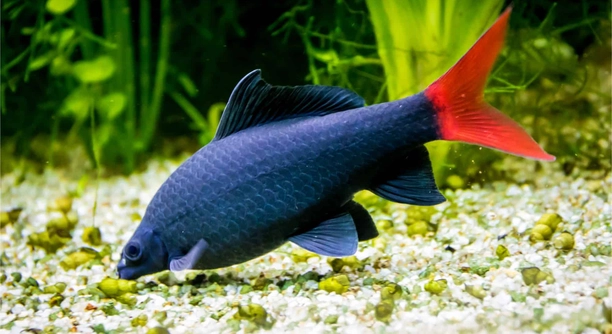
Rainbow Sharks are popular fish for many aquarium enthusiasts. They add bright colors and activity to tanks. However, their aggressive behavior towards other fish can create challenges for hobbyists trying to maintain harmony.
Rainbow Shark aggression towards tank mates often results from territorial instincts and stress. Managing their environment, such as providing sufficient space and hiding spots, can significantly reduce conflicts. Proper care and tank setup are essential to minimizing aggression.
Learning how to handle this behavior will help you keep your aquarium peaceful and enjoyable for all its inhabitants.
Understanding Rainbow Shark Behavior
Rainbow Sharks are naturally territorial fish. They often claim specific areas of the tank as their own, especially when space is limited. This territorial nature can lead to aggressive actions toward other fish that come too close. Aggression may also increase during feeding time or when there is competition for hiding spots. It is important to observe how your Rainbow Shark interacts with its tank mates regularly. Some individuals may be more aggressive than others, so knowing your fish’s behavior can help in managing the situation. Providing enough space and structure in the tank gives the shark areas to explore and rest, which can reduce stress and lessen aggressive tendencies. A calm environment helps all fish coexist better.
This behavior is normal for Rainbow Sharks but can be managed with proper care and tank setup.
Managing aggression starts with recognizing the shark’s need for territory and ensuring it has enough space.
Tank Size and Setup
A larger tank helps reduce aggression in Rainbow Sharks. These fish need room to swim and claim their own space. A tank of at least 55 gallons is recommended for keeping Rainbow Sharks with other fish. Adding plants, rocks, and decorations creates natural hiding places and breaks up sight lines, which helps lower tension. When fish cannot see each other all the time, aggression is less likely to occur. Keeping the tank well-maintained and free of overcrowding is also crucial. Overcrowded tanks increase stress and competition, which causes more fights. Using peaceful fish species that do not compete for the same space or food can improve tank harmony. Paying attention to the tank layout and inhabitants can make a big difference in reducing aggressive behavior.
Feeding Practices
Feeding Rainbow Sharks properly can help reduce aggression. Overfeeding or underfeeding may cause stress and fights.
Feeding your Rainbow Shark once or twice a day with a balanced diet is best. Use sinking pellets designed for bottom feeders, supplemented with occasional live or frozen foods like bloodworms or brine shrimp. Avoid leaving uneaten food in the tank, as this can cause water quality issues, increasing stress and aggression. Feeding at consistent times also helps establish a routine, reducing competition among fish during meal times. Be sure to distribute food evenly so all fish have access, preventing dominance and aggressive behavior related to food.
Keeping the diet varied and balanced supports the fish’s health and lowers chances of aggression linked to hunger or stress.
Choosing Compatible Tank Mates
Rainbow Sharks do better with peaceful fish that occupy different tank levels. Avoid small or slow-moving species that may become targets. Good companions include larger tetras, danios, or catfish that stay mostly in the upper or middle areas of the tank. Avoid other bottom dwellers that compete for the same space.
Selecting compatible fish reduces territorial fights. Always research the temperaments and needs of any new fish before adding them to your tank. Keeping similar-sized, non-aggressive fish helps maintain balance. Introducing new tank mates gradually and monitoring interactions allows you to act quickly if aggression increases. Providing plenty of hiding spots and visual barriers also improves coexistence. Proper pairing of tank mates is essential for a peaceful aquarium.
Providing Hiding Spots
Hiding places help reduce stress and aggression. Fish feel safer when they have spaces to retreat to. Rocks, caves, and dense plants work well.
Changing the tank layout occasionally also keeps the Rainbow Shark from becoming too territorial about one spot.
Monitoring Behavior Closely
Watching your Rainbow Shark and tank mates regularly is important. Early signs of aggression include chasing, nipping, or hiding. If aggressive behavior increases, acting quickly can prevent injuries or stress-related illnesses. Adjusting tank conditions or separating fish temporarily may be necessary to keep peace.
Maintaining Water Quality
Clean water supports healthy fish and reduces stress. Regular water changes and proper filtration are essential for controlling ammonia, nitrites, and nitrates. Testing water parameters helps catch issues early.
Using Tank Dividers
Tank dividers can separate aggressive fish temporarily. This allows fish to get used to each other without direct contact. It is a useful tool during introductions or conflicts.
How can I tell if my Rainbow Shark is being too aggressive?
Signs of aggression include chasing other fish relentlessly, nipping at fins, and cornering tank mates. If your Rainbow Shark is frequently involved in fights or other fish show stress, hiding often, or have damaged fins, it’s a sign the aggression is problematic. Sometimes the shark may also flare its fins or act restless. Regular observation helps catch these behaviors early so you can take action before injuries happen.
Why are Rainbow Sharks aggressive towards other fish?
Rainbow Sharks are territorial by nature. They want to protect their space and resources like food and hiding spots. This instinct increases in smaller tanks or crowded conditions. Stress from poor water quality or sudden changes can also make aggression worse. Understanding these reasons helps in managing the environment to keep your fish calm and reduce fighting.
Can I keep more than one Rainbow Shark together?
Keeping multiple Rainbow Sharks in the same tank is risky. They tend to compete aggressively for territory, which often leads to fights. If you want more than one, you need a very large tank with plenty of hiding spots and visual barriers to help separate their territories. Even then, close monitoring is necessary to prevent serious aggression or injury.
What tank size is best for a Rainbow Shark?
A minimum of 55 gallons is recommended for a single Rainbow Shark with other fish. Larger tanks allow them enough space to swim and claim their own territory, which reduces aggressive behavior. Overcrowding or tanks smaller than this often lead to stress and more frequent fights among fish.
What kind of fish should I avoid with Rainbow Sharks?
Avoid small, slow-moving, or very shy fish that can become targets of aggression. Also, avoid other bottom dwellers that share the same tank level, as they compete directly for space. Fish like small tetras, bettas, or goldfish may not do well with Rainbow Sharks due to size differences or temperament.
How can I reduce aggression during feeding?
Feed your Rainbow Shark and tank mates at the same time to reduce competition. Use sinking pellets for bottom feeders and distribute food evenly so no one fish dominates. Avoid overfeeding, as leftover food can cause water problems and stress. Feeding on a consistent schedule helps fish settle and reduces aggressive behavior during meal times.
What role does tank decoration play in managing aggression?
Plants, rocks, and caves create hiding spots and visual barriers. These break the line of sight between fish, reducing territorial disputes. Rearranging decorations from time to time can prevent a Rainbow Shark from overly claiming one area, which helps keep aggression lower.
Is it helpful to use tank dividers with aggressive Rainbow Sharks?
Yes, tank dividers can separate aggressive fish temporarily. This method allows fish to get used to each other’s presence without direct contact, which reduces fighting. Dividers are useful during introductions or if aggression suddenly increases, giving fish time to calm down.
How often should I monitor my Rainbow Shark’s behavior?
Daily observation is best, especially if you have multiple fish in the tank. Early detection of aggression signs allows you to adjust tank conditions or take other actions before problems worsen. Watching interactions helps you understand your fish better and maintain a peaceful environment.
Can stress cause Rainbow Sharks to become aggressive?
Stress is a common cause of increased aggression. Poor water quality, overcrowding, or sudden changes in the tank can stress fish, making them more likely to fight. Maintaining stable conditions and proper care helps reduce stress and keeps your Rainbow Shark calmer.
What should I do if aggression continues despite changes?
If aggression persists, consider separating the Rainbow Shark from other fish temporarily or permanently. Sometimes the fish’s personality or tank conditions are not compatible with certain tank mates. Consulting an expert or fish store can help find a suitable solution to avoid injury and stress for all fish involved.
Managing Rainbow Shark aggression requires attention and patience. These fish have natural territorial instincts that can lead to conflict with other tank mates. Understanding their behavior helps you create an environment where they feel secure and less likely to attack others. Providing enough space, hiding places, and compatible companions are key steps. Each tank and fish is different, so observing your Rainbow Shark regularly is important to catch any signs of aggression early. Acting quickly can prevent injuries and keep your aquarium peaceful.
Setting up the tank correctly from the start is one of the best ways to avoid problems. A large tank with plenty of decorations, plants, and caves offers the fish places to explore and retreat. Feeding them a balanced diet at regular times also reduces competition and stress, which lowers aggressive behavior. Choosing tank mates carefully to avoid those that might provoke the shark or become targets is essential. Sometimes, despite all efforts, aggression can still happen. When this occurs, temporary separation or rearranging the tank may be necessary to protect all fish.
In the end, Rainbow Sharks can be a rewarding addition to your aquarium if their needs are met properly. Taking the time to understand their natural tendencies and preparing their environment with care will improve their behavior. This will help you enjoy a more peaceful tank where all fish can coexist. Patience and consistent care are important when managing aggression. By following these tips, you can create a balanced aquatic space that supports the health and happiness of your Rainbow Shark and its tank mates.

Hello,
If you enjoy the content that we create, please consider saying a "Thank You!" by leaving a tip.
Every little bit helps us continue crafting quality advice that supports the health, happiness, and well-being of pets around the world, for pets of all shapes, sizes, and species.
We really appreciate the kindness and support that you show us!