
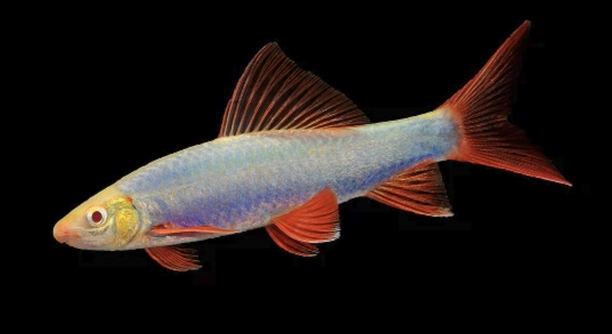
Rainbow sharks are popular aquarium fish known for their vibrant colors and active behavior. Ensuring they get enough oxygen is essential for their health. Recognizing signs of low oxygen can help prevent serious issues before they worsen.
Insufficient oxygen levels in a rainbow shark’s tank can lead to symptoms such as rapid gill movement, lethargy, gasping at the surface, loss of appetite, and unusual swimming patterns. These signs indicate the fish is struggling to obtain adequate oxygen for survival.
Understanding these symptoms will help you maintain a healthier environment for your rainbow shark and support its well-being in your aquarium.
Common Signs of Oxygen Deficiency in Rainbow Sharks
When your rainbow shark isn’t getting enough oxygen, the signs can be clear if you pay attention. You might notice it gasping for air at the water’s surface more often than usual. Its gills may move faster as it tries to breathe. The fish may become less active, hiding in corners or resting on the bottom of the tank. Appetite loss is another common sign—your rainbow shark might ignore food or eat less than usual. Unusual swimming patterns, such as erratic movements or difficulty staying upright, can also occur. These behaviors are all signals that your fish is struggling. Observing your fish daily helps catch these changes early, making it easier to act quickly.
These signs are important indicators that the oxygen levels in the tank need to be checked and improved to keep your rainbow shark healthy.
Proper oxygen levels ensure your rainbow shark can breathe comfortably and stay active. Monitoring these signs allows for timely adjustments to the tank’s environment, which supports your fish’s overall health and prevents serious problems.
How to Improve Oxygen Levels in Your Aquarium
Oxygen levels in your aquarium can be improved by increasing water movement and surface agitation. Using an air pump or filter can help.
Adding plants that release oxygen and avoiding overcrowding can also make a difference. Regular water changes maintain water quality and oxygen levels. Make sure your tank is not exposed to excessive heat, which lowers oxygen content. By following these steps, you create a better environment where your rainbow shark can thrive and stay healthy.
Monitoring Water Parameters
Regularly checking your aquarium’s water parameters is crucial to maintaining healthy oxygen levels. Pay attention to temperature, ammonia, nitrite, and nitrate levels, as these affect oxygen availability.
Water temperature has a direct impact on oxygen solubility. Warmer water holds less oxygen, so keeping the tank within the recommended temperature range for rainbow sharks helps. Ammonia and nitrite are toxic and can stress fish, lowering their ability to absorb oxygen. High nitrate levels, often from poor maintenance, also reduce water quality and oxygen content. Testing kits make it easy to monitor these levels at home. Keeping the water clean and balanced supports oxygenation, helping your fish stay active and healthy.
If you notice water parameters outside the safe ranges, act immediately by performing water changes or adjusting filtration. Ignoring these can worsen oxygen deficiency and harm your rainbow shark.
Signs of Stress from Low Oxygen
Stress caused by low oxygen may show subtle changes in your rainbow shark’s behavior. Watch for reduced movement and increased hiding.
Stress weakens your fish’s immune system, making it more vulnerable to disease. Prolonged oxygen deprivation may cause your rainbow shark to lose its vibrant color or develop physical damage like torn fins. Stressful conditions also affect feeding habits, often leading to a decrease in appetite. The fish might isolate itself or display erratic swimming. Noticing these signs early can help you make quick adjustments to improve oxygen levels. Keeping your aquarium well-oxygenated reduces stress, allowing your fish to thrive in a stable environment.
Adjusting Tank Size and Stocking
A crowded tank reduces oxygen availability quickly. Make sure your aquarium size suits the number of fish you keep.
Overstocking increases waste and lowers oxygen, so avoid adding too many fish. Keeping the right balance helps maintain good water quality and oxygen levels.
Using Aeration Devices Effectively
Aeration devices like air stones and bubble wands increase oxygen by improving surface agitation. Place them where water circulation is limited.
Consistent use of these tools promotes oxygen exchange and prevents stagnant areas. Proper positioning ensures oxygen reaches all parts of the tank, supporting your rainbow shark’s health.
Avoiding Overfeeding
Overfeeding creates excess waste, leading to poor water quality and low oxygen levels.
Feed your rainbow shark only what it can eat in a few minutes. This reduces waste buildup and helps maintain a clean, oxygen-rich environment.
FAQ
How can I tell if my rainbow shark is gasping for air?
Gasping is usually visible when your fish comes to the surface and opens its mouth repeatedly as if trying to breathe air. This behavior often means there isn’t enough oxygen dissolved in the water. If you notice your rainbow shark doing this often, it’s a clear sign to check oxygen levels and water quality immediately.
What causes low oxygen levels in my aquarium?
Several factors can reduce oxygen in your tank. High water temperature lowers oxygen solubility, while overcrowding increases waste and oxygen demand. Poor filtration or low water movement reduces surface agitation, limiting oxygen exchange. Overfeeding can lead to excess waste, which uses oxygen during decomposition. Keeping these factors balanced is key to maintaining proper oxygen.
Can plants help increase oxygen in the tank?
Yes, live aquatic plants produce oxygen during photosynthesis, especially in well-lit tanks. They also help absorb waste products that can harm water quality. However, plants alone might not provide enough oxygen if the tank is overcrowded or water conditions are poor. Using plants alongside proper aeration and filtration creates the best environment for your rainbow shark.
Is it normal for my rainbow shark to swim near the surface?
Occasionally, yes, but if your fish frequently stays near the surface or seems to be gasping there, it’s likely trying to access more oxygen. Fish generally swim throughout the tank, so surface-leaning behavior can signal low oxygen levels. Check water quality and oxygenation systems if you observe this often.
How often should I test my aquarium water for oxygen?
Testing oxygen levels weekly is ideal, especially in warmer months or if you notice signs of low oxygen. You can also test after making changes like adding new fish or adjusting equipment. Consistent monitoring helps catch problems early before they stress your rainbow shark.
Will increasing water circulation help my rainbow shark breathe better?
Yes, better water circulation improves oxygen exchange at the surface. Devices like filters, air stones, or powerheads keep water moving, increasing oxygen levels. Just make sure the flow is not too strong, as rainbow sharks prefer moderate currents.
Can temperature fluctuations affect oxygen levels?
Definitely. Warmer water holds less oxygen, so tanks with rising temperatures risk oxygen depletion. Stable temperatures within the species’ preferred range help maintain oxygen levels. Avoid placing your tank near heat sources or in direct sunlight.
What should I do if my rainbow shark shows signs of oxygen deprivation?
First, increase aeration by adding or adjusting air pumps and filters. Perform a partial water change to improve quality and oxygen content. Check water temperature and reduce heat if necessary. Remove excess waste and avoid overcrowding. Acting quickly can prevent long-term health problems.
Are there any symptoms that mimic oxygen deficiency but are caused by other issues?
Some symptoms like lethargy or loss of appetite can also result from poor water quality, disease, or stress unrelated to oxygen. It’s important to test water parameters and observe overall tank conditions to identify the true cause. Oxygen deficiency usually includes rapid gill movement and surface gasping.
Can I use bottled oxygen to help my fish?
Using bottled oxygen isn’t practical or necessary in most home aquariums. Improving natural oxygen exchange through better tank maintenance, aeration, and water quality is safer and more effective. Bottled oxygen treatments are typically used only in extreme or emergency situations under expert supervision.
How does overcrowding affect oxygen levels?
Overcrowding increases the number of fish competing for oxygen and produces more waste, which uses oxygen during decomposition. This can quickly lead to oxygen depletion. Keeping a balanced number of fish relative to tank size helps maintain healthy oxygen levels and water quality.
What role does filtration play in oxygenation?
Filtration removes waste that consumes oxygen during breakdown. Many filters also create water movement that improves surface oxygen exchange. A properly sized and maintained filter supports both clean water and oxygen levels essential for your rainbow shark’s health.
Final Thoughts
Maintaining proper oxygen levels in your rainbow shark’s tank is essential for its health and well-being. Oxygen deficiency can quickly cause stress, illness, and even death if left unaddressed. Paying attention to signs like rapid gill movement, gasping at the surface, or unusual behavior helps catch problems early. Keeping your tank environment stable through regular water testing, proper aeration, and balanced stocking will support your fish’s ability to breathe easily. Small changes can make a big difference in preventing oxygen shortages and keeping your rainbow shark active and vibrant.
Simple steps such as using air pumps or filters to improve water movement, avoiding overcrowding, and not overfeeding can greatly improve oxygen availability. Aquatic plants also contribute by releasing oxygen during daylight hours, but they should be part of a larger strategy. Temperature control plays a vital role as well since warmer water holds less oxygen. By controlling temperature and maintaining good water quality, you create an environment where your rainbow shark can thrive. Regular maintenance and observation are key to preventing oxygen-related issues before they become serious.
Taking care of your rainbow shark means creating a balanced habitat that meets its needs. Understanding the signs of low oxygen and how to improve conditions helps ensure your fish lives a healthy life. Consistent care, monitoring, and timely adjustments to the tank’s environment can prevent stress and health problems caused by oxygen deficiency. With proper attention, your rainbow shark will remain a lively and beautiful addition to your aquarium.

Hello,
If you enjoy the content that we create, please consider saying a "Thank You!" by leaving a tip.
Every little bit helps us continue crafting quality advice that supports the health, happiness, and well-being of pets around the world, for pets of all shapes, sizes, and species.
We really appreciate the kindness and support that you show us!