
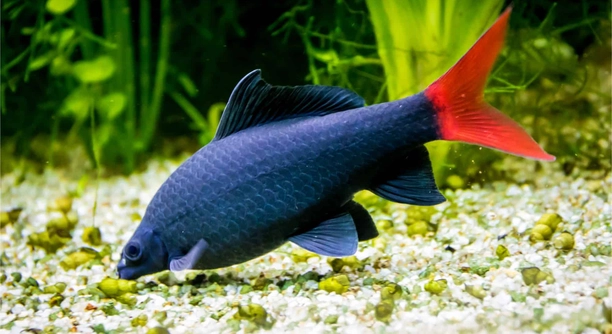
Rainbow sharks are popular freshwater fish known for their striking colors and peaceful nature. They require specific care to thrive in home aquariums. Providing the right environment is essential for their health and well-being.
Creating the best habitat for your rainbow shark involves maintaining clean water, providing adequate tank size, using proper substrate, including hiding spots, ensuring stable water parameters, offering a balanced diet, and avoiding aggressive tank mates. These factors collectively support their natural behavior and longevity.
Learning how to set up and maintain the ideal environment will help your rainbow shark stay healthy and active for years to come.
Tank Size and Setup
Rainbow sharks need plenty of space to swim and explore. A tank that is at least 30 gallons is ideal for one adult fish. Larger tanks allow them to move freely and reduce stress. The tank should have a long shape rather than tall because these fish prefer horizontal swimming space. Substrate can be sand or fine gravel, which is gentle on their belly. Adding smooth rocks and driftwood creates natural hiding spots where they can feel safe. Plants also help mimic their natural habitat and provide cover. Proper lighting that is not too bright will make your rainbow shark more comfortable. Keep the water temperature between 74 and 80°F, which suits their tropical nature. Good filtration is important to keep the water clean and oxygenated. Regular water changes are necessary to maintain water quality and avoid buildup of harmful substances.
A tank that is too small can cause stress and health problems for your rainbow shark. Proper setup encourages natural behavior.
By ensuring the tank has enough room and the right features, you help your rainbow shark live a healthy, active life. It reduces aggression and promotes their well-being.
Water Quality and Parameters
Maintaining clean water with stable parameters is essential. Rainbow sharks thrive in slightly acidic to neutral pH, ideally between 6.5 and 7.5.
Water temperature should stay steady within the tropical range to avoid stress. Sudden changes can harm their immune system. Regular testing for ammonia, nitrites, and nitrates keeps the water safe. Ammonia and nitrites should always be zero, while nitrates must stay below 20 ppm. Using a reliable filtration system helps maintain these levels. Partial water changes, about 25% weekly, remove waste and keep the environment healthy. Avoid overcrowding, as it quickly degrades water quality and increases aggression. Proper aeration ensures oxygen levels are sufficient for your rainbow shark to thrive. Monitoring these factors closely helps prevent common diseases linked to poor water conditions. Keeping water stable and clean supports their natural behavior and longevity.
Hiding Spots and Decorations
Rainbow sharks need places to hide and feel secure. Adding caves, rocks, and plants helps reduce stress and gives them space to retreat. Decorations also make the tank more interesting and closer to their natural habitat.
Creating multiple hiding spots with smooth rocks and driftwood encourages natural behavior. Live or artificial plants provide cover and break line of sight, reducing aggression. Avoid sharp objects that could injure the fish. Position decorations so the fish have open swimming areas as well as safe retreats. Changing the layout occasionally can keep the environment stimulating. Providing a well-decorated tank helps your rainbow shark feel safe and comfortable, which improves their overall health.
Decorations can also help control territorial disputes if you keep more than one rainbow shark. By offering separate spaces, you reduce stress and conflicts between fish. This is especially important since they can become territorial as they grow.
Feeding and Diet
Rainbow sharks are omnivores and require a varied diet for good health. Feed them high-quality pellets or flakes designed for tropical fish as a staple. Supplement their diet with live or frozen foods such as bloodworms, brine shrimp, or daphnia to provide essential proteins. Occasional vegetable matter like blanched spinach or zucchini can add fiber and nutrients. Feed small amounts twice daily, ensuring they consume all the food within a few minutes to prevent overfeeding and water pollution. Maintaining a balanced diet supports vibrant colors and energy levels. Avoid overfeeding, which can lead to obesity and water quality problems. Proper nutrition plays a key role in your rainbow shark’s vitality and longevity.
Tank Mates
Choosing peaceful tank mates helps maintain harmony in the aquarium. Avoid aggressive or very small fish that may be bullied or eaten by the rainbow shark. Compatible species include tetras, barbs, and larger peaceful fish.
Keeping compatible tank mates reduces stress and promotes natural behavior. Avoid overcrowding to limit competition for space and food, which can lead to aggression.
Lighting
Moderate lighting is best for rainbow sharks. Too bright lighting may cause stress, while dim lighting helps simulate their natural environment and encourages activity during the day.
Using a timer to maintain consistent light cycles supports their health and reduces stress. Proper lighting also benefits live plants, contributing to a balanced habitat.
Regular Maintenance
Regular tank maintenance is vital to keep water conditions stable. Weekly partial water changes remove waste and prevent harmful buildup. Clean filters as needed but avoid washing media with tap water to preserve beneficial bacteria.
Consistent care prevents common health issues and ensures a safe, clean environment for your rainbow shark.
FAQ
How often should I feed my rainbow shark?
Feeding your rainbow shark twice a day is ideal. Offer only as much food as they can eat in about 2 to 3 minutes. Overfeeding can lead to poor water quality and health problems. Small, consistent meals help maintain their energy and vibrant colors.
What water temperature is best for rainbow sharks?
The preferred temperature range is between 74°F and 80°F (23°C to 27°C). Keeping the water stable within this range prevents stress and supports their immune system. Sudden temperature changes should be avoided as they can weaken the fish and make them more vulnerable to disease.
Can rainbow sharks live with other fish?
Yes, but it depends on the species. Rainbow sharks can be territorial, especially in smaller tanks. Peaceful, medium-sized fish like tetras, barbs, and danios usually coexist well. Avoid keeping them with aggressive fish or very small species that might be seen as prey.
How big do rainbow sharks get?
Rainbow sharks typically grow to about 6 inches (15 cm) in length. Their size means they need a spacious tank to swim comfortably and avoid stress from cramped conditions. A tank of 30 gallons or more is recommended for a single adult.
What kind of substrate is best?
Fine gravel or sand works best because it is gentle on the fish’s underside. Rainbow sharks often rest or search for food near the bottom, so a smooth substrate reduces the risk of injury. Avoid sharp or rough materials.
How often should I change the water?
Perform a partial water change of about 25% once a week. This helps keep the water clean by removing excess waste and toxins. Regular water changes maintain stable water quality and prevent buildup of harmful substances like ammonia and nitrates.
What signs show that my rainbow shark is stressed or sick?
Look for changes in behavior such as hiding more than usual, loss of appetite, or erratic swimming. Physical signs include faded colors, clamped fins, or visible spots and sores. Early detection and correcting water quality or diet can help prevent serious illness.
Do rainbow sharks need hiding places?
Yes, hiding spots are important for their comfort. Caves, plants, and decorations provide safe retreats that reduce stress and aggression. A well-decorated tank simulates their natural habitat and encourages natural behavior.
Can rainbow sharks tolerate different pH levels?
Rainbow sharks do best in slightly acidic to neutral water with a pH between 6.5 and 7.5. Maintaining stable pH within this range supports their health and helps prevent stress-related diseases.
Is it necessary to have live plants in the tank?
Live plants are beneficial but not mandatory. They improve water quality by absorbing nitrates and provide natural hiding spots. If live plants are not an option, artificial plants can offer similar shelter.
What is the lifespan of a rainbow shark?
With proper care, rainbow sharks can live up to 8 to 10 years in captivity. Maintaining good water quality, a balanced diet, and a suitable tank environment contributes to a longer, healthier life.
Can rainbow sharks jump out of the tank?
Yes, they can. It’s important to have a secure lid on the aquarium to prevent escapes. Rainbow sharks are active swimmers and may jump if startled or uncomfortable.
How aggressive are rainbow sharks?
Rainbow sharks show territorial behavior, especially as they mature. Aggression usually increases in crowded tanks or when hiding spots are limited. Providing enough space and decorations can reduce territorial disputes.
What do I do if my rainbow shark is injured?
If you notice injuries, isolate the fish in a separate hospital tank to prevent further harm. Treat wounds with appropriate medications and maintain excellent water quality. Consulting a veterinarian familiar with fish can provide better guidance.
How important is filtration for rainbow sharks?
Filtration is crucial to maintain water quality and oxygen levels. A good filter removes waste and toxins while keeping the water clear. Proper filtration reduces the risk of disease and promotes a healthy environment.
Can I keep more than one rainbow shark together?
Multiple rainbow sharks can be kept in a large tank with plenty of space and hiding places. However, they may become territorial, so monitoring their behavior is necessary. A minimum of 55 gallons is recommended if housing several individuals.
Taking care of a rainbow shark means paying close attention to its environment and needs. These fish require a tank that is big enough for them to swim comfortably and explore. Providing the right size tank helps reduce stress and keeps them healthy. It is important to include places where they can hide and feel safe, like caves or plants. Keeping the water clean and stable with the right temperature and pH also supports their well-being. Regular maintenance, such as water changes and filter cleaning, plays a big role in preventing health problems. A balanced diet with a mix of pellets, live, or frozen foods keeps them strong and colorful.
Choosing tank mates carefully is another key part of caring for rainbow sharks. These fish can be territorial, especially in smaller tanks or when there are not enough hiding spots. Peaceful fish that swim at different levels in the tank usually do well with rainbow sharks. Avoid keeping aggressive or very small fish with them, as this can lead to stress or harm. When the tank is set up with enough space and decorations, rainbow sharks tend to be less aggressive and show natural behavior. Watching their interactions helps you make sure everyone is safe and comfortable.
Overall, creating the best habitat for your rainbow shark is about balance. It involves giving them enough space, clean water, proper food, and a peaceful environment. Meeting these needs will help your fish live a long, healthy life and show their bright colors. Caring for rainbow sharks requires some effort, but the rewards of seeing them thrive make it worthwhile. When the conditions are right, these fish are fascinating to watch and add beauty to your aquarium. Keeping a rainbow shark healthy is a satisfying responsibility for any aquarium owner.

Hello,
If you enjoy the content that we create, please consider saying a "Thank You!" by leaving a tip.
Every little bit helps us continue crafting quality advice that supports the health, happiness, and well-being of pets around the world, for pets of all shapes, sizes, and species.
We really appreciate the kindness and support that you show us!