
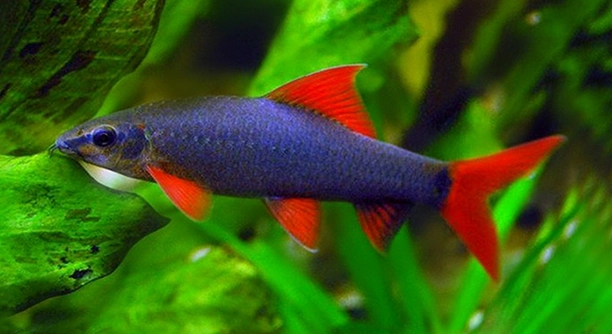
Do you ever find yourself dealing with a rainbow shark that doesn’t get along with its tank mates, leaving your aquarium tense and chaotic?
The key to helping your rainbow shark live peacefully with others lies in managing tank size, selecting compatible species, and maintaining proper territory boundaries. These factors greatly influence the shark’s behavior and reduce aggression.
From tank setup tips to choosing the right companions, each step plays a role in helping your rainbow shark thrive in a calm and balanced environment.
Choose the Right Tank Size
Rainbow sharks are territorial and need space to feel secure. A small tank often leads to aggressive behavior, especially when other fish invade their chosen areas. A minimum of 55 gallons is recommended for one rainbow shark. This size gives them room to swim freely and claim their territory without constantly running into others. A longer tank is better than a tall one, as it provides more horizontal space. Adding plants, rocks, or driftwood helps create visual barriers, reducing stress and potential fights. Proper filtration is also essential to keep the water clean and stable for all tank mates.
A larger tank also allows for more balanced interactions. With extra space, fish can easily avoid each other, which naturally reduces confrontations and bullying.
Choosing a bigger tank not only benefits your rainbow shark but also improves life for every fish in the aquarium. It promotes natural behavior and better health overall.
Add Hiding Places and Barriers
Hiding spots help fish avoid unnecessary conflict by providing personal space. Driftwood, rocks, or dense plants are great options.
A well-structured tank with clear boundaries can make a big difference. Rainbow sharks often get defensive about territory, so it’s important to break up the space visually. Use objects like caves, ceramic tunnels, or thick plant clusters to divide the tank into sections. This gives each fish a sense of space and helps avoid constant encounters. These barriers also act as safe zones where fish can retreat when feeling stressed. Spread these elements throughout the tank, not just on one side. Make sure there’s enough room for swimming between each section. Adding height and depth with decorations also helps fish feel secure. When fish can’t always see each other, they are less likely to challenge one another. This setup encourages calmer behavior and allows each species to live with less stress.
Pick Compatible Tank Mates
Peaceful bottom dwellers and mid-level swimmers tend to get along best with rainbow sharks. Avoid keeping them with other territorial or aggressive species, especially other sharks or fish that look similar. This helps lower stress and prevents fights.
Rainbow sharks are not true community fish, so tank mate selection needs care. Good options include barbs, danios, rasboras, and loaches. These species are active, quick, and less likely to provoke aggression. Avoid slow or long-finned fish like angelfish or bettas, as they can become easy targets. Never house two rainbow sharks together unless the tank is extremely large. They tend to fight, even when raised together. Also, avoid red-tailed or albino sharks, as they are seen as competition. Always monitor new additions closely for signs of stress or bullying. If any fish shows signs of injury or hiding constantly, separation may be needed.
Careful planning saves a lot of future problems. When choosing fish, observe their habits in other tanks or research their behavior. Fast, agile swimmers that stick to different tank zones are less likely to clash with rainbow sharks. Aim for balance—each fish should have space to swim, hide, and feed without feeling cornered. A peaceful tank starts with the right combination of species.
Control Aggression with Feeding
Feeding time can cause tension, especially in smaller tanks. Spread food across the tank to avoid crowding. This gives each fish a better chance to eat without competing face-to-face.
Over time, rainbow sharks may become more aggressive if they feel food is limited or always taken by others. To help prevent this, stick to a consistent feeding schedule and vary their diet. Offer sinking pellets for bottom feeders and flakes for mid-level swimmers. Frozen or live foods like brine shrimp or bloodworms can be added once or twice a week to meet nutritional needs and keep them stimulated. Feeding with purpose also keeps them from associating other fish with stress. Use feeding tools or separate areas to make meals less chaotic. Observing how your fish act during feeding can also help you spot signs of bullying or poor health.
Maintain Consistent Water Conditions
Stable water keeps fish calm. Sudden changes in temperature, pH, or ammonia levels can cause stress and trigger aggression. Keep the temperature around 75–81°F and the pH between 6.5–7.5 for best results. Use a reliable test kit weekly.
A strong filtration system helps remove waste and keeps the environment steady. Clean the tank regularly and perform partial water changes weekly to prevent buildup. Healthy water reduces tension and promotes peaceful behavior between tank mates.
Limit the Number of Fish
Overcrowding increases competition and stress. Stick to a moderate number of fish to give everyone enough space.
Watch for Signs of Stress
Hiding, chasing, torn fins, or poor appetite may signal trouble. Address issues early to prevent long-term harm.
FAQ
Can rainbow sharks live with other rainbow sharks?
It’s not recommended to keep more than one rainbow shark in the same tank unless the tank is extremely large, usually over 125 gallons. Rainbow sharks are highly territorial and often see others of their kind as rivals. This can lead to constant chasing, injuries, or even death. Even if raised together, they typically become more aggressive as they mature. If you’re set on keeping more than one, provide multiple hiding spots, clear territory lines, and a lot of open space to swim. But in most home aquariums, it’s safest to keep only one rainbow shark.
Are rainbow sharks aggressive to all fish?
Rainbow sharks are not aggressive to all fish, but they are territorial. Their behavior depends heavily on tank size, layout, and tank mates. They usually ignore fish that stay out of their way and swim in different areas of the tank. Problems often arise when other fish are slow-moving, have long fins, or look similar. Fish that hover near the bottom can trigger a defensive response. Choosing fast, mid-swimming species and providing enough hiding spaces usually keeps aggression under control. It’s about setting up an environment that gives each fish its own space to feel secure.
How can I tell if my rainbow shark is stressed?
Stress in rainbow sharks can show up in different ways. You may notice them hiding more than usual, showing faded colors, or refusing to eat. Sometimes they’ll start chasing other fish nonstop or become extra aggressive. Torn fins or odd swimming behavior are also warning signs. Stress is often caused by poor water quality, overcrowding, or the wrong tank mates. Regular water tests, proper tank maintenance, and peaceful companions help lower stress levels. If you see these signs, act early to adjust the setup before health issues develop. A calm, healthy rainbow shark will be more active and colorful.
What fish should I avoid putting with a rainbow shark?
Avoid housing rainbow sharks with other semi-aggressive or territorial species. Fish like red-tailed sharks, albino sharks, bettas, and cichlids can cause serious problems. Also, skip slow, long-finned species like angelfish or guppies, as they may get chased or nipped. Bottom dwellers like catfish or other loaches can be a hit or miss, depending on space. It’s best to research each species and think about how much swimming space and hiding spots your tank offers. When in doubt, stick with active, peaceful fish that swim in different levels of the tank to reduce stress and conflict.
Why does my rainbow shark chase other fish?
Chasing is a sign of dominance or territory protection. Rainbow sharks are naturally territorial and will often claim a section of the tank. If another fish enters that space or looks similar, the rainbow shark may try to chase it away. This behavior is more common in smaller tanks or when there are not enough hiding places. Feeding time can also trigger chasing if the shark feels it’s competing for food. To help reduce this, make sure your tank is large enough, well-decorated, and has plenty of swimming space. Reducing competition lowers the urge to chase.
Can rainbow sharks be kept in a community tank?
Yes, but only under the right conditions. A community tank with a rainbow shark requires a tank size of at least 55 gallons, peaceful and fast-moving tank mates, and plenty of hiding spots. Avoid fish that live in the same territory zone or look similar. The tank should be well-maintained with stable water parameters and regular feeding routines. It takes planning and observation, but many aquarists have successfully kept rainbow sharks in community setups by following these guidelines. Watch their behavior closely and be ready to separate fish if needed to keep the peace.
Final Thoughts
Keeping a rainbow shark in a peaceful aquarium takes planning, attention, and the right setup. These fish are active, territorial, and naturally curious, which means they do best in tanks that offer space and structure. A tank that is too small or crowded often leads to stress and aggressive behavior. That stress can affect not only the rainbow shark but also the other fish living in the tank. Providing enough swimming room, hiding spots, and separate zones helps create a balanced space. These simple changes can make a big difference in how calm and healthy your fish become over time.
Choosing the right tank mates also plays an important role in helping your rainbow shark live in harmony with others. Fast swimmers that stay in the middle or top levels of the tank are usually safe choices. It’s best to avoid slow, long-finned, or aggressive fish, as they may get chased or injured. Watching how your fish interact every day can help you catch small problems early. If you see signs of stress—like hiding, chasing, or torn fins—it’s often a sign that something in the tank needs to be adjusted. This might be the tank layout, water conditions, or the number of fish.
Consistency is another key part of keeping peace in your tank. Regular feeding, clean water, and steady temperatures give your fish a better chance to stay calm and thrive. While rainbow sharks do have strong personalities, they can live alongside others when their needs are met. Each tank is a little different, so it’s helpful to observe and make small changes as needed. In the end, building a peaceful tank with a rainbow shark takes patience and effort, but it’s worth it. When your tank is set up well, you’ll get to enjoy watching a healthy, active fish that adds beauty and movement to your aquarium.

Hello,
If you enjoy the content that we create, please consider saying a "Thank You!" by leaving a tip.
Every little bit helps us continue crafting quality advice that supports the health, happiness, and well-being of pets around the world, for pets of all shapes, sizes, and species.
We really appreciate the kindness and support that you show us!