
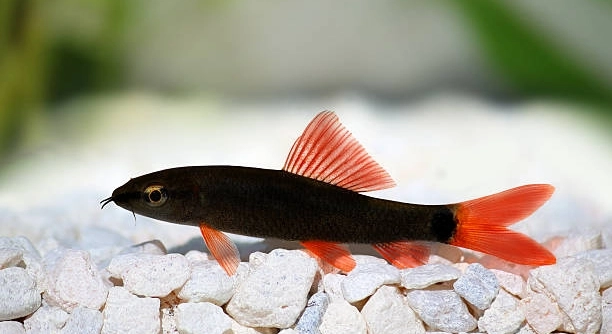
Many aquarium enthusiasts enjoy keeping rainbow sharks for their striking appearance and active behavior. However, these fish can sometimes show aggressive tendencies that challenge their caretakers. Managing this aggression is important for a peaceful aquarium environment.
Aggression in rainbow sharks often results from territorial instincts, overcrowding, or lack of hiding spaces. Effective management includes maintaining proper tank size, providing ample shelter, and limiting the number of aggressive tank mates to reduce stress and conflicts.
Understanding how to handle aggression in rainbow sharks will improve your aquarium’s harmony and promote the well-being of all fish. This guide outlines practical steps to create a balanced habitat.
Understanding Territorial Behavior in Rainbow Sharks
Rainbow sharks are naturally territorial fish, especially as they mature. This behavior often leads to chasing or nipping at other fish that come too close. In smaller tanks, this aggression tends to increase because space is limited. Providing enough room for each fish to claim a territory is essential to reduce fights. Hiding spots such as plants, caves, or decorations give rainbow sharks places to retreat and feel safe. Without these spaces, stress levels rise, making aggression worse. Regular observation helps identify if the tank size or layout is causing problems. Adjustments can then be made to create a calmer environment. Proper tank maintenance and keeping water conditions stable also reduce stress, which helps control aggressive tendencies.
Territorial aggression often decreases when the tank environment meets the rainbow shark’s needs. Space and shelter are key factors.
Taking time to arrange the tank thoughtfully and monitor fish behavior makes a big difference. A peaceful aquarium starts with understanding your fish’s natural habits and providing a comfortable home.
Managing Tank Size and Fish Population
A common cause of aggression in rainbow sharks is overcrowding. Keeping too many fish in a small tank increases competition for space and resources. The ideal tank size for a single rainbow shark is at least 30 gallons, with extra space needed for additional fish. Overcrowding can lead to constant stress, which worsens aggressive behavior and weakens the immune system. Introducing compatible tank mates that are fast swimmers and occupy different tank levels also helps reduce conflicts. Avoid housing multiple rainbow sharks together unless the tank is large enough to give each fish ample territory. Regularly checking fish health and behavior will alert you to problems before they escalate. Balancing population and tank size creates a healthier and less aggressive environment for everyone.
Providing Adequate Hiding Places
Hiding places reduce stress by giving rainbow sharks spaces to escape and feel secure. Without shelter, aggression often increases as fish compete for limited territory.
Aquarium decorations such as rocks, caves, and dense plants create boundaries and visual barriers. These features break up the tank space and prevent continuous direct confrontations between rainbow sharks and other fish. The more natural hiding spots available, the less likely your rainbow shark will feel threatened or territorial. Providing a varied environment also keeps fish active and engaged, which helps decrease aggressive behaviors. Regularly rearranging decorations can refresh the tank and reduce boredom, further calming your fish.
Consider the needs of all tank inhabitants when adding shelters. Some species prefer open swimming areas, while rainbow sharks benefit from multiple small retreats. Balancing these preferences will create a harmonious environment and reduce tension.
Feeding and Nutrition’s Role in Behavior
Proper feeding helps manage aggression by reducing competition and stress during meal times. Feeding your rainbow shark a balanced diet of high-quality pellets, flakes, and occasional live or frozen foods supports health and reduces irritability. Overfeeding or underfeeding can both cause problems. Overfeeding leads to poor water quality, which stresses fish and may increase aggression. Underfeeding causes hunger and competition, triggering fights. Establish a consistent feeding schedule and provide enough food to satisfy all fish without leaving excessive waste. Spreading food evenly across the tank also helps prevent dominant fish from monopolizing the supply. Healthy nutrition promotes calmer behavior and strengthens your rainbow shark’s natural defenses. Keeping feeding habits stable contributes significantly to a peaceful aquarium environment.
Monitoring Water Quality
Poor water quality increases stress and aggression in rainbow sharks. Regular testing and maintenance keep the environment stable.
Frequent water changes and filtration remove toxins that can irritate fish. Clean, well-oxygenated water supports calm behavior and overall health.
Choosing Compatible Tank Mates
Selecting tank mates that are peaceful and occupy different areas of the tank reduces conflicts. Avoid aggressive or slow-moving fish that may trigger attacks. Compatible species help maintain balance and minimize territorial disputes in the aquarium.
Using Visual Barriers
Visual barriers such as plants and decorations help break the line of sight between aggressive fish. This limits constant confrontation and reduces stress.
Observing Behavior Changes
Regularly watch your rainbow shark for signs of increasing aggression or stress. Early detection allows for timely adjustments to the tank setup or care routine.
Why is my rainbow shark so aggressive?
Rainbow sharks are naturally territorial fish. Their aggression usually comes from defending their space, especially in smaller or crowded tanks. Lack of hiding places, poor water quality, or incompatible tank mates can also increase aggression. When stressed, they become more likely to chase or nip at others. Providing enough space, proper shelter, and a stable environment helps reduce aggressive behavior.
How can I reduce aggression in my rainbow shark?
To reduce aggression, start by ensuring your tank is large enough—at least 30 gallons for one rainbow shark. Add plenty of hiding spots such as plants and caves to create visual breaks. Avoid keeping multiple rainbow sharks in a small tank. Choose peaceful tank mates that swim at different levels. Keep the water clean and feed a balanced diet consistently. These steps will create a more comfortable space, lowering stress and aggression.
Can I keep more than one rainbow shark together?
Keeping more than one rainbow shark in the same tank is risky unless the aquarium is very large, ideally over 55 gallons. These fish become territorial as they grow and may fight when space is limited. If you decide to keep multiple rainbow sharks, provide multiple hiding places and monitor their behavior closely. Separating them if aggression becomes severe is often necessary.
What tank mates work best with rainbow sharks?
Rainbow sharks do best with fast-swimming, non-aggressive fish that occupy different tank levels, such as danios or barbs. Avoid slow-moving or bottom-dwelling fish that may be targets of aggression. Avoid keeping other territorial species or multiple rainbow sharks together unless space is ample. Compatible tank mates reduce stress and help keep the aquarium peaceful.
How often should I feed my rainbow shark?
Feed your rainbow shark once or twice daily, giving only what they can eat in a few minutes. Overfeeding can harm water quality and cause stress, which may increase aggression. Use high-quality pellets or flakes designed for omnivorous fish, and supplement occasionally with live or frozen foods to ensure balanced nutrition.
What role does tank size play in aggression?
Tank size is crucial because rainbow sharks need space to establish territories. Smaller tanks force fish into close quarters, increasing fights and stress. Larger tanks provide enough room for multiple fish to spread out and reduce direct competition. Keeping the tank size appropriate for the number of fish is key to managing aggression effectively.
How do hiding places affect rainbow shark behavior?
Hiding places offer refuge and reduce stress by allowing rainbow sharks to escape from dominant fish or conflicts. When the tank lacks shelters, aggression rises as fish have nowhere to retreat. Decorations, plants, and caves break up the space and provide visual barriers, which help lower aggression by limiting constant eye contact and chasing.
What are signs of aggression in rainbow sharks?
Signs include chasing, nipping, fin damage, and constant territorial displays like flaring fins or rapid swimming. If aggression is severe, you may notice injured or stressed fish hiding frequently. Observing these signs early helps you take steps to adjust tank conditions and protect all inhabitants.
Can diet influence aggression in rainbow sharks?
Yes. Poor diet or irregular feeding schedules can cause hunger-driven aggression. Providing balanced meals on a consistent schedule keeps fish healthy and reduces competition for food. Avoid overfeeding, which can pollute the water and increase stress, indirectly causing more aggressive behavior.
When should I consider separating an aggressive rainbow shark?
If aggression causes serious injury to other fish or persists despite efforts to improve tank conditions, separating the aggressive rainbow shark may be necessary. Isolation or moving it to a larger tank can prevent harm and reduce stress for all fish involved. Monitor behavior regularly to decide if separation is needed.
Managing aggression in rainbow sharks requires patience and attention to their natural behavior. These fish are territorial by nature, and understanding this is key to maintaining a peaceful aquarium. Providing enough space, appropriate hiding places, and compatible tank mates helps create an environment where aggression is less likely to occur. Taking these steps not only protects other fish but also supports the well-being of your rainbow shark.
Proper tank maintenance plays a major role in reducing stress and aggression. Regular water changes, good filtration, and balanced feeding routines ensure a stable and healthy habitat. Stress often triggers aggressive behavior, so keeping the environment clean and consistent is important. Feeding a varied diet on a schedule also helps keep your rainbow shark calm and less competitive during meal times. Attention to these details can prevent many common problems associated with aggression.
Finally, observing your fish regularly allows you to catch early signs of trouble. Changes in behavior or increased aggression signal the need to adjust the tank setup or care routine. If necessary, separating an aggressive rainbow shark can protect other fish and help restore balance. Managing aggression is an ongoing process, but with proper care, your aquarium can remain a calm and enjoyable space for all its inhabitants.

Hello,
If you enjoy the content that we create, please consider saying a "Thank You!" by leaving a tip.
Every little bit helps us continue crafting quality advice that supports the health, happiness, and well-being of pets around the world, for pets of all shapes, sizes, and species.
We really appreciate the kindness and support that you show us!