
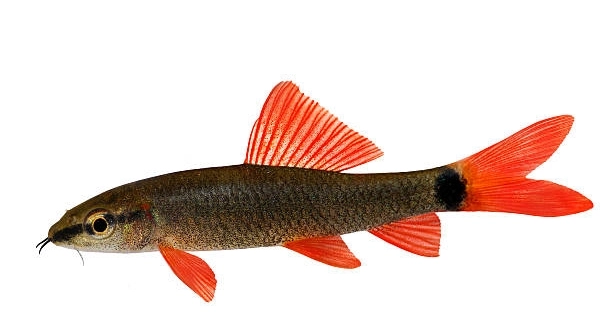
Is your rainbow shark constantly darting around the tank, causing stress to itself and other fish? Overactive behavior in these fish can often be managed with a few thoughtful adjustments to their environment and care routine.
The main reason rainbow sharks become overactive is due to environmental stress, including tank size, lack of hiding spaces, and unsuitable tank mates. Creating a stable, enriched habitat helps reduce this behavior and promotes a healthier, calmer fish.
Simple changes to tank conditions and daily care can make a big difference in your rainbow shark’s behavior. Keep reading to explore seven easy and effective ways to help.
Give Your Rainbow Shark Enough Space
Rainbow sharks are territorial fish that need plenty of room to swim and claim their own area. A tank that is too small can make them feel threatened, leading to constant movement and aggressive behavior. The minimum recommended tank size for one rainbow shark is 55 gallons. A larger tank helps prevent stress and gives your fish more freedom to explore. If they’re sharing the space with other fish, especially bottom dwellers, even more room is needed. Crowded conditions often lead to disputes, and your rainbow shark may never settle down. Providing more space can reduce this overactive behavior and create a calmer tank environment.
A small tank can quickly lead to frustration for your rainbow shark. It may start pacing, chasing, or swimming up and down the glass.
Give your fish the space it needs by upgrading the tank or removing tank mates. This allows for more natural behavior and less stress overall.
Choose the Right Tank Mates
Rainbow sharks do not get along well with other aggressive or territorial species. Placing them with the wrong types of fish can lead to overactivity, especially if there is competition for territory or food.
It’s best to avoid housing rainbow sharks with other bottom dwellers or similar-looking fish like red-tail sharks or albino rainbow sharks. These combinations often lead to frequent chasing and fighting. Instead, choose peaceful mid- or top-dwelling species that do not compete for space on the tank floor. Species like barbs, danios, or certain types of tetras can work well, as they tend to stay out of the shark’s way. Avoid adding new fish all at once. Introduce new tank mates gradually and monitor behavior closely. Overcrowding or sudden changes in the tank’s social balance can overwhelm your rainbow shark and lead to more erratic activity. A calm tank setup with compatible species can greatly improve your rainbow shark’s behavior.
Add Hiding Spots and Decorations
A bare tank can make rainbow sharks feel exposed and anxious. When they don’t have places to hide, they stay in constant motion, searching for safety.
Adding caves, driftwood, rocks, and plants helps your rainbow shark feel secure. These decorations give it a territory to claim and spaces to retreat when it feels threatened. When rainbow sharks have defined hiding areas, they tend to calm down and spend more time resting. Live or artificial plants can also help break up the line of sight in the tank, which reduces chasing between fish. Choose smooth decorations without sharp edges to avoid injury, especially when your fish is startled. Spread these hiding spots around the tank to create natural boundaries and reduce stress-related behavior. A well-decorated tank doesn’t just look better—it helps your fish feel more comfortable.
A peaceful setup can also prevent unnecessary conflict between your rainbow shark and its tank mates. When territories are clear and hiding spots are available, there’s less need for your shark to chase others. This kind of layout gives each fish its own space, lowering tension and overactivity. By creating physical barriers and escape zones, you give your rainbow shark more control over its environment, helping it relax and settle into a routine.
Maintain Stable Water Conditions
Sudden changes in water temperature or quality can trigger erratic swimming in rainbow sharks. Even small shifts in pH, ammonia, or nitrate levels can stress them out and cause them to act restless.
Keeping your water parameters consistent is one of the best ways to reduce overactive behavior. Test your water regularly and aim for a temperature between 75°F and 81°F, with a stable pH around 6.5 to 7.5. Perform partial water changes weekly, removing about 20–30% of the water to keep it clean. Use a good quality water conditioner, and avoid overfeeding, which can pollute the tank. Always check the heater and filter to make sure they’re working properly. If your rainbow shark is acting out for no clear reason, test the water first—it’s often the cause. When the water is clean and stable, your fish feels safe and behaves more calmly.
Keep a Consistent Lighting Schedule
Rainbow sharks can become stressed if the tank lighting is too bright or left on for too long. Aim for 8 to 10 hours of light per day to match a natural rhythm.
Use a timer to keep the schedule steady. Sudden changes in lighting can cause your fish to react nervously.
Avoid Overfeeding
Feeding your rainbow shark too often or giving it too much food can cause health issues and trigger anxious behavior. Stick to feeding it once or twice a day with portions it can finish in under two minutes. Uneaten food can dirty the water and lead to stress. Choose high-quality sinking pellets or wafers made for bottom feeders, and occasionally offer frozen or live foods for variety. Avoid feeding brightly colored flakes, as they tend to float and may not be ideal for this species. A balanced, controlled diet supports calm, predictable behavior and keeps the tank cleaner overall.
Limit Sudden Tank Changes
Large or frequent changes to the tank environment can overwhelm your rainbow shark. Rearranging decorations, adding new fish, or switching equipment too often can make the fish feel unsafe.
FAQ
Why is my rainbow shark constantly swimming up and down the glass?
This is often called “glass surfing” and usually happens when the fish feels stressed or unsettled. It may be reacting to a small tank, a lack of hiding spots, or unsuitable tank mates. This repetitive behavior can also come from boredom, so consider adding more decorations or plants. Check the water parameters, too—ammonia spikes or temperature fluctuations can make the fish uncomfortable. If everything looks normal, watch for bullying from other fish or signs that your rainbow shark is trying to claim territory that doesn’t exist due to limited space.
Can I keep more than one rainbow shark in the same tank?
It’s not recommended to keep more than one rainbow shark in a typical home aquarium. They are highly territorial and often become aggressive toward others of the same species or similar-looking fish. Even in a large tank, multiple rainbow sharks may constantly chase and fight each other. If you want to try it, the tank should be very large—at least 125 gallons—with lots of visual barriers. Still, there’s no guarantee it will work out peacefully. It’s usually safer to keep just one per tank to avoid constant stress or injury.
What tank mates are safest for rainbow sharks?
The best tank mates are fast, peaceful mid- or top-level swimmers. Fish like zebra danios, giant danios, tiger barbs, and certain types of tetras tend to do well. Avoid other bottom dwellers like corydoras or loaches, which compete for territory and trigger aggressive behavior. Also skip slow-moving or long-finned fish like angelfish, as they may become targets. Stick to fish that are active enough to avoid confrontation but not so aggressive that they cause stress. Always keep an eye on interactions during the first week to make sure everyone settles in without problems.
Do rainbow sharks need plants in their tank?
Yes, plants help create a more natural and comfortable environment. Both live and artificial plants can provide cover and reduce stress. They also help define boundaries, making it easier for your rainbow shark to claim a space. Live plants can improve water quality by absorbing nitrates, while artificial ones are easier to maintain. Either option is fine as long as they offer hiding areas and break up the line of sight. Arrange them along the edges and corners to leave open space for swimming. Avoid sharp plastic plants that can injure fins.
How can I tell if my rainbow shark is stressed?
Signs of stress include darting around the tank, rapid breathing, dull coloration, hiding too much, or chasing other fish nonstop. Some rainbow sharks may stop eating or spend a lot of time pacing the glass. These behaviors usually mean something in the environment isn’t right. Check the water temperature, pH, and ammonia levels first. Then look at tank size, lighting, and fish compatibility. A stressed rainbow shark may also act more territorial or aggressive than usual. Fixing the cause of the stress early can prevent long-term health issues or more aggressive behavior.
Do rainbow sharks sleep or rest?
Yes, rainbow sharks do rest, usually at the bottom of the tank or inside a hiding spot. They don’t sleep the way humans do, but you may notice them staying still during nighttime hours or when the tank is quiet. If your fish is constantly moving and never seems to rest, it may feel unsafe or overstimulated. This could be caused by too much light, poor water conditions, or a lack of hiding spaces. A calm, quiet tank with stable lighting helps your rainbow shark settle into a more natural rest pattern.
Final Thoughts
Taking care of a rainbow shark can be simple once you understand its needs. These fish are active by nature, but when they become overly restless, it’s usually a sign that something in the tank isn’t right. Small changes—like adding hiding spots, choosing better tank mates, or improving water quality—can make a big difference. Overactive behavior often comes from stress, so your goal should always be to create a calm and stable environment. The more consistent and well-maintained the tank is, the more likely your rainbow shark will settle down and act normally. Always keep an eye on your fish’s behavior, especially after any changes, and make adjustments when needed.
Rainbow sharks are known for their bold personalities and unique look. Because they are territorial, they can be a bit more challenging to care for than other freshwater fish. But with the right setup, they can live peacefully in a community tank. Avoiding overcrowding, maintaining good water conditions, and giving your rainbow shark its own space are key steps to keeping it calm. A balanced diet and a steady light schedule also play an important role in reducing overactivity. These fish respond well to a predictable environment where they know what to expect. Once they feel secure, their behavior usually improves over time.
Every fish has its own temperament, and sometimes your rainbow shark might still act out, even when everything seems fine. In those cases, stay patient and observe closely. Don’t rush to make big changes all at once. Instead, make one small change at a time and monitor how your fish reacts. It’s also helpful to keep a simple routine for feeding and maintenance so your fish can adjust to a stable pattern. Remember, overactive behavior doesn’t always mean something is seriously wrong, but it’s a sign worth paying attention to. With steady care, your rainbow shark can become a more peaceful part of your aquarium. Keeping your tank clean, quiet, and thoughtfully arranged is the best way to support its long-term well-being.

Hello,
If you enjoy the content that we create, please consider saying a "Thank You!" by leaving a tip.
Every little bit helps us continue crafting quality advice that supports the health, happiness, and well-being of pets around the world, for pets of all shapes, sizes, and species.
We really appreciate the kindness and support that you show us!