
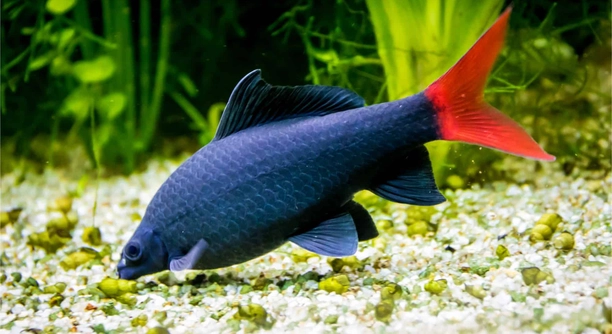
Rainbow sharks are popular freshwater fish known for their vibrant colors and active behavior. They bring life to home aquariums but can sometimes show signs of illness. Recognizing these signs early helps keep your fish healthy and thriving.
Identifying illness in a rainbow shark involves observing physical changes such as discoloration, frayed fins, abnormal swimming patterns, and loss of appetite. Prompt detection allows for timely intervention to prevent further health decline.
Knowing these symptoms can make a difference in your fish’s well-being. This article outlines simple ways to recognize if your rainbow shark is sick and how to respond effectively.
Common Physical Signs of Illness in Rainbow Sharks
Rainbow sharks often show clear physical signs when they are unwell. Look for faded or dull colors, as a healthy rainbow shark usually has bright and vibrant hues. Frayed or torn fins also indicate stress or disease. White spots or patches on the body can suggest infections like ich. Swollen or bloated areas may signal internal problems. Another important sign is unusual growths or lumps, which can be symptoms of tumors or parasites. Keeping a close eye on these visible changes can help catch health issues early.
Physical symptoms are a reliable way to detect illness and should never be ignored.
Regularly inspecting your rainbow shark during feeding or tank cleaning helps spot these changes early. Quick action based on physical signs can prevent serious illness and improve recovery chances. Combine this with proper water conditions to support your fish’s health and reduce stress that can cause physical problems.
Changes in Behavior
Changes in behavior are often the first signs your rainbow shark might be sick. A sick fish may become less active, hiding more than usual, or showing erratic swimming patterns. Loss of appetite is another important indicator to watch for.
Behavioral changes can indicate underlying health problems even if physical signs are not yet visible.
Observing your rainbow shark daily allows you to notice shifts in activity or feeding habits. These behavioral differences can be early warnings of infections, poor water quality, or stress. Addressing behavior changes quickly with adjustments in care or treatment can improve your fish’s condition before serious symptoms appear. Behavioral monitoring is as important as watching for physical signs.
Water Quality and Its Impact
Poor water quality directly affects your rainbow shark’s health. High ammonia or nitrite levels can cause stress and illness quickly. Regular water tests are essential to maintain a safe environment.
Keeping the tank clean and balanced is key to preventing sickness. Ammonia, nitrites, and nitrates should be monitored weekly. Use water conditioners to remove harmful chemicals and perform partial water changes regularly. Uneaten food and waste buildup increase toxins, so cleaning the substrate and filters is important. Proper filtration and aeration help maintain oxygen levels and reduce stress on your fish.
Neglecting water quality can weaken your rainbow shark’s immune system, making it vulnerable to infections and diseases. Maintaining good water conditions supports its overall well-being and longevity.
Diet and Nutrition
A balanced diet supports your rainbow shark’s immune system and helps prevent illness. Feeding high-quality flakes, pellets, and occasional live or frozen foods provides necessary nutrients.
Inadequate or poor nutrition weakens your fish, increasing the risk of disease. Overfeeding or underfeeding can cause digestive problems or malnutrition. Avoid feeding only one type of food; variety ensures balanced vitamins and minerals. Supplementing with vegetables like zucchini or cucumber can improve health and digestion.
Feeding small portions twice daily and removing uneaten food prevents water pollution. A healthy diet combined with good tank conditions creates a strong foundation for your rainbow shark’s health.
Signs of Stress in Rainbow Sharks
Stress in rainbow sharks can cause health problems and lead to illness. Common signs include rapid breathing, hiding often, and sudden changes in activity. Stress weakens their immune system.
Causes of stress include poor water quality, overcrowding, and incompatible tank mates. Reducing stress is essential for keeping your fish healthy and active.
Tank Environment and Space
Rainbow sharks need enough space to swim freely. A small or overcrowded tank causes stress and aggressive behavior. Providing hiding spots with plants or decorations helps them feel secure.
Monitoring Breathing Patterns
Changes in breathing, like rapid gill movement or gasping at the surface, often indicate poor water quality or illness. Watch your fish closely to catch breathing issues early.
Using Quarantine Tanks
Isolating a sick rainbow shark in a quarantine tank prevents spreading disease. It also allows focused treatment and better monitoring during recovery.
FAQ
How can I tell if my rainbow shark is sick or just stressed?
Stress and illness can look similar but have some differences. Stress often causes hiding, rapid breathing, or color fading but without physical damage. Illness usually shows additional signs like white spots, frayed fins, or swelling. Monitoring behavior and physical changes helps distinguish between the two.
What should I do if I notice white spots on my rainbow shark?
White spots typically indicate ich, a common parasite. The best response is to isolate the fish in a quarantine tank and treat it with an ich medication. Increasing the tank temperature slightly can also speed up the parasite’s life cycle and improve treatment success. Always follow medication instructions carefully.
Why is my rainbow shark refusing to eat?
Loss of appetite is a common sign of illness or stress. It can be caused by poor water quality, disease, or sudden changes in the environment. Check water parameters immediately, improve conditions if needed, and observe for other symptoms. If appetite loss continues, consider consulting an aquatic veterinarian.
Can overcrowding cause my rainbow shark to get sick?
Yes, overcrowding increases stress and waste buildup, which can lead to poor water quality and disease. Rainbow sharks are territorial and need enough space. Keeping a properly sized tank with suitable tank mates helps reduce stress and prevent illness.
How often should I clean the tank to keep my rainbow shark healthy?
Regular maintenance is essential. Partial water changes of about 25% every week keep water clean. Clean the substrate and filters monthly to remove waste and prevent toxic buildup. Avoid full tank cleanings too often, as they can remove beneficial bacteria.
Is it normal for my rainbow shark to hide frequently?
Rainbow sharks do enjoy hiding spots, but excessive hiding can signal stress or illness. Watch for other signs like loss of color or reduced activity. Make sure the tank has enough space and proper water conditions to reduce hiding caused by discomfort.
What foods are best for a rainbow shark’s diet?
A mix of high-quality flakes or pellets designed for omnivorous fish works well. Supplement with live or frozen foods like bloodworms or brine shrimp for protein. Occasional vegetables like zucchini or cucumber slices help with digestion and overall health.
How can I prevent diseases in my rainbow shark?
Maintaining clean water, providing a balanced diet, and avoiding overcrowding are key. Quarantine new fish before adding them to the main tank. Regular observation helps catch early signs of illness, allowing timely treatment before problems worsen.
What is the best temperature range for rainbow sharks?
Rainbow sharks thrive in temperatures between 74°F and 79°F (23°C to 26°C). Keeping the temperature stable helps prevent stress and supports their immune system. Sudden temperature changes can weaken them and increase illness risk.
When should I use a quarantine tank?
Use a quarantine tank when introducing new fish or treating sick ones. This prevents disease spread and provides a controlled environment for recovery. Keep the quarantine tank clean and monitor water quality closely during treatment.
Can my rainbow shark recover from fin rot?
Fin rot can be treated successfully if caught early. Improving water quality and using antibacterial medications helps. Trimmed or torn fins can regrow, but prolonged infection may cause permanent damage. Early intervention is crucial for a full recovery.
Why is my rainbow shark swimming erratically?
Erratic swimming can result from stress, poor water conditions, or infections affecting the nervous system. Check water parameters immediately and observe for other symptoms. If erratic behavior persists, seek advice from a specialist to identify the cause and proper treatment.
How do I recognize internal infections in my rainbow shark?
Internal infections often show as swelling, bloating, or loss of appetite without obvious external signs. Fish may appear lethargic or breathe heavily. Diagnosis can be challenging, so consult an aquatic vet if you suspect internal problems to get accurate treatment.
Are tank mates important for my rainbow shark’s health?
Yes, compatible tank mates reduce stress and aggression. Avoid overcrowding and aggressive species. Peaceful community fish that occupy different tank levels work best. Stress from poor tank mate choices can weaken your rainbow shark’s immune system.
What is the role of lighting in rainbow shark health?
Proper lighting supports natural behavior and stress reduction. Too much light can cause stress, while too little affects activity levels. A consistent day-night cycle, around 8-10 hours of light daily, helps maintain their health and coloration.
Taking care of a rainbow shark means paying close attention to its health and environment. These fish show clear signs when something is wrong, so observing their behavior and appearance regularly is important. Changes like dull colors, torn fins, hiding more than usual, or loss of appetite can all be signals that your fish is not feeling well. Early detection of these signs helps prevent serious illness and allows for faster recovery.
Maintaining good water quality is one of the most critical factors in keeping your rainbow shark healthy. Regular water testing and cleaning help remove harmful substances that can build up over time. A clean tank with the right temperature and proper filtration supports your fish’s immune system and reduces stress. Feeding a balanced diet also plays a key role. Providing a variety of foods ensures your rainbow shark gets necessary nutrients to stay strong and fight off diseases.
Finally, creating a suitable tank environment with enough space and hiding places contributes to your fish’s overall well-being. Avoid overcrowding and choose compatible tank mates to reduce stress. If illness does occur, isolating the sick fish in a quarantine tank allows focused treatment and protects the rest of your aquarium. By combining careful observation, proper tank care, and good nutrition, you can help your rainbow shark live a healthy and active life.

Hello,
If you enjoy the content that we create, please consider saying a "Thank You!" by leaving a tip.
Every little bit helps us continue crafting quality advice that supports the health, happiness, and well-being of pets around the world, for pets of all shapes, sizes, and species.
We really appreciate the kindness and support that you show us!