
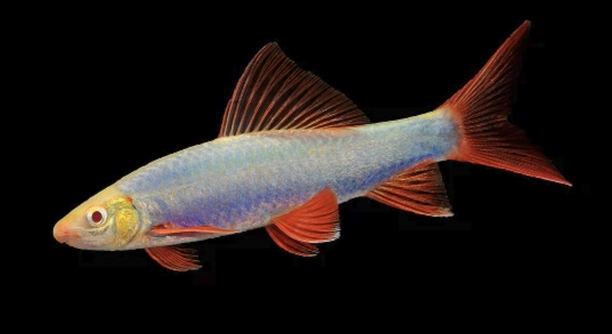
Rainbow sharks are popular freshwater fish known for their sleek, colorful appearance and active nature. Many aquarium owners enjoy watching their unique swimming patterns and behavior. Understanding how they act helps keep them healthy and happy in home tanks.
Rainbow sharks are territorial and can display aggressive behavior, especially towards similar-sized or shaped fish. They are mostly nocturnal, preferring to explore and feed during low light. Their activity and social dynamics are influenced by tank size and companions.
Learning these details about rainbow sharks will improve your experience as a keeper. Knowing what to expect helps in creating a better environment for these striking fish.
Territorial Nature and Tank Setup
Rainbow sharks often establish territories within their aquarium, which can lead to aggressive interactions with other fish. They tend to chase or nip at fish that invade their space, especially those with similar shapes or colors. Providing ample space is essential to minimize conflict. A tank size of at least 40 gallons is recommended for a single rainbow shark, with larger tanks needed for multiple fish. Decorations like plants, caves, and driftwood help create hiding spots and break sightlines, reducing aggression. Maintaining good water quality and stable conditions also supports their well-being, as stress can increase aggressive tendencies. Observing their behavior regularly allows early detection of any issues.
A properly set-up tank helps rainbow sharks feel secure, which reduces stress and unwanted aggression. This leads to a healthier, more balanced aquarium environment for all its inhabitants.
Proper tank design plays a crucial role in managing rainbow shark behavior. When their territory is respected, they become less aggressive and more active in exploring. Including a mix of open swimming areas and hiding spots benefits their natural instincts. Avoid overcrowding to reduce stress and territorial disputes. Compatible tank mates should be chosen carefully; peaceful species that don’t resemble rainbow sharks work best. Monitoring their interactions ensures that aggressive behavior does not escalate. A well-maintained tank fosters natural behavior, making rainbow sharks easier to care for and more enjoyable to watch.
Feeding Behavior and Diet
Rainbow sharks are primarily omnivores and tend to feed actively during dawn and dusk. They accept a variety of foods, including pellets, flakes, and live or frozen treats. Feeding them a balanced diet supports their vibrant colors and overall health.
They can become competitive feeders, so distributing food evenly helps prevent bullying. Overfeeding should be avoided to maintain water quality and fish health. Offering occasional vegetables like blanched spinach or zucchini provides essential nutrients and variety. Observing their eating habits gives insight into their health and mood. A proper feeding routine encourages natural foraging behavior, keeping them mentally stimulated and physically fit.
Activity Patterns and Social Behavior
Rainbow sharks are mostly active during low light hours, such as early morning and evening. They tend to rest or hide during bright daylight, showing crepuscular behavior.
Their social behavior can be challenging in smaller tanks due to territorial instincts. While they may tolerate other fish species, they usually do best with peaceful companions that won’t provoke aggression. They prefer to explore alone or in large enough tanks where each fish has its own space. Grouping multiple rainbow sharks in small tanks often leads to fighting. Providing plenty of hiding spots and visual barriers can reduce tension. Understanding their activity and social needs helps maintain harmony in the aquarium.
In larger tanks, rainbow sharks may display less aggression and show more natural, curious behaviors. They often swim near the bottom and middle levels, patrolling their territory and investigating their environment. Watching their interactions with other fish reveals subtle signs of stress or comfort, which helps in adjusting tank conditions for better coexistence.
Breeding and Reproduction
Breeding rainbow sharks in a home aquarium is difficult due to their territorial nature and specific spawning requirements. They lay eggs on flat surfaces, often choosing caves or plant leaves.
To encourage breeding, a larger tank with plenty of hiding spaces and controlled water parameters is necessary. Raising the temperature slightly and performing regular water changes can simulate rainy season conditions, which trigger spawning in the wild. Males become more vibrant and territorial during breeding attempts, sometimes showing aggression to females. Eggs hatch in about 36 hours, but fry need separate care as adults may eat them. Breeding rainbow sharks requires patience and a well-planned environment to succeed.
Tank Mates Compatibility
Rainbow sharks often do best with peaceful, fast-swimming fish that occupy different tank levels. Avoid slow-moving or long-finned fish, as they may become targets of aggression.
Suitable tank mates include danios, barbs, and larger tetras. Avoid small or timid species that could be stressed by the shark’s territorial behavior.
Water Conditions
Maintaining stable water parameters is crucial for rainbow shark health. They thrive in temperatures between 72°F and 79°F with a pH of 6.5 to 7.5.
Regular water changes and good filtration help prevent buildup of harmful toxins. Keeping the water clean reduces stress and supports natural behavior.
Signs of Stress
Stress in rainbow sharks may appear as faded colors, erratic swimming, or hiding more than usual. These signs often indicate poor water quality or overcrowding.
Observing their behavior closely helps catch problems early. Addressing stress quickly promotes recovery and long-term health.
FAQ
Why does my rainbow shark chase other fish?
Rainbow sharks are naturally territorial. Chasing other fish is a way to defend their space. This behavior is more common in smaller tanks where space is limited. Providing enough room and hiding spots can reduce chasing. Sometimes, they chase similar-looking fish more aggressively.
How big do rainbow sharks get?
Rainbow sharks typically grow up to 6 inches long. Their size depends on tank conditions and diet. Proper care and a spacious tank allow them to reach their full size comfortably. Overcrowded tanks can stunt their growth.
Are rainbow sharks good for community tanks?
They can be kept in community tanks but with caution. They do best with fast, peaceful fish that swim at different levels. Avoid slow or long-finned species because the shark may nip at them. Proper tank size and decorations help reduce aggression.
What do rainbow sharks eat?
Rainbow sharks are omnivores. They eat flakes, pellets, and live or frozen foods like bloodworms or brine shrimp. Adding vegetables like zucchini or spinach provides important nutrients. Feeding a varied diet keeps them healthy and colorful.
How often should I feed my rainbow shark?
Feeding once or twice a day is sufficient. Overfeeding can harm water quality and the fish’s health. Offer only what they can eat in a few minutes. Uneaten food should be removed to prevent decay.
Can rainbow sharks live with other rainbow sharks?
Keeping more than one rainbow shark is possible but requires a large tank. They are territorial and may fight if space is tight. Providing hiding spots and a tank of at least 55 gallons helps reduce conflicts.
Why is my rainbow shark hiding a lot?
Hiding is normal during bright daylight since they are more active at dawn and dusk. However, excessive hiding can mean stress, poor water quality, or illness. Check tank conditions and look for signs of disease if hiding increases suddenly.
Do rainbow sharks need special water conditions?
They prefer temperatures between 72°F and 79°F and a pH of 6.5 to 7.5. Stable water conditions are important. Regular water changes and good filtration prevent toxins and keep them healthy.
How do I know if my rainbow shark is sick?
Look for changes like faded color, clamped fins, erratic swimming, or loss of appetite. White spots or fuzzy patches may indicate disease. Early detection and treatment improve recovery chances.
Is it hard to breed rainbow sharks?
Breeding rainbow sharks is challenging due to their territorial nature and tank requirements. They need a spacious tank with hiding places and specific water conditions to trigger spawning. Separating fry from adults is necessary since adults may eat the eggs or young fish.
Can rainbow sharks live in a small tank?
Small tanks are not suitable for rainbow sharks. They need at least 40 gallons to thrive. Limited space causes stress and aggressive behavior. A larger tank supports their active lifestyle and territorial needs.
Why does my rainbow shark sometimes leap out of the water?
Jumping can happen if the fish is startled, stressed, or the tank conditions are poor. Secure the tank with a lid to prevent escapes. Check water quality and tank mates for possible causes of stress.
What decorations are best for a rainbow shark tank?
Use plants, caves, and driftwood to create hiding spots and break up open swimming areas. This helps reduce aggression by providing territories and shelter. Avoid sharp decorations that can injure the fish.
How long do rainbow sharks live?
With good care, rainbow sharks live 5 to 8 years in captivity. Proper diet, water quality, and tank conditions contribute to their lifespan. Regular observation helps maintain their health over time.
Can rainbow sharks change color?
They can appear darker or lighter depending on stress, lighting, and health. Vibrant colors indicate good health, while dull colors may signal illness or poor water conditions. Maintaining a balanced environment helps keep their colors bright.
Rainbow sharks are striking and active fish that bring life and color to many freshwater aquariums. Their unique behavior, including territorial instincts and crepuscular activity, requires careful attention from aquarium keepers. Understanding how they interact with their environment and tank mates is key to providing a healthy and peaceful home for them. While they may sometimes show aggression, this is a natural part of their behavior, especially when space is limited or their territory feels threatened. Providing a spacious tank with plenty of hiding spots can greatly reduce stress for these fish and improve their overall wellbeing.
Proper care for rainbow sharks also involves maintaining stable water conditions, a balanced diet, and regular observation for signs of stress or illness. They thrive in clean water with temperatures between 72°F and 79°F and a neutral to slightly acidic pH. Feeding them a variety of foods, including pellets, live or frozen treats, and occasional vegetables, supports their vibrant colors and active nature. Monitoring their behavior regularly helps in catching any issues early before they become serious problems. With attention to these details, rainbow sharks can live for several years and remain a captivating part of the aquarium.
Caring for rainbow sharks may present some challenges, especially when it comes to managing their territorial behavior and tank compatibility. However, by understanding their natural instincts and needs, it is possible to create an environment where they can coexist peacefully with other fish. Choosing appropriate tank mates, providing enough space, and designing the aquarium with decorations that offer hiding places will help reduce conflicts. These steps, combined with proper feeding and water care, make keeping rainbow sharks rewarding and enjoyable. With patience and knowledge, these fish can thrive and bring a lively, colorful presence to any freshwater aquarium.

Hello,
If you enjoy the content that we create, please consider saying a "Thank You!" by leaving a tip.
Every little bit helps us continue crafting quality advice that supports the health, happiness, and well-being of pets around the world, for pets of all shapes, sizes, and species.
We really appreciate the kindness and support that you show us!