
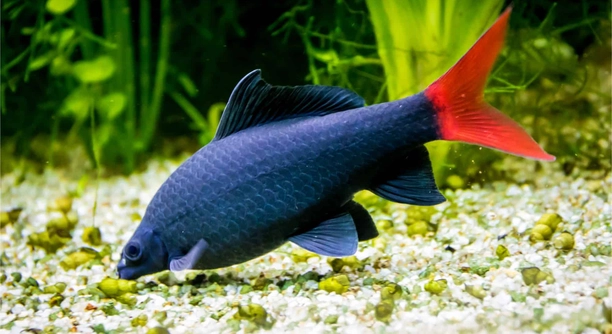
Is your rainbow shark not swimming as it should? This common issue can signal problems with water quality, diet, or stress. Proper care is essential to keep this colorful fish active and healthy in your aquarium environment.
When a rainbow shark shows signs of impaired swimming, it often results from poor water conditions, illness, or insufficient nutrition. Addressing these root causes promptly can restore normal behavior and improve the fish’s overall well-being.
Understanding these key fixes will help you maintain a balanced aquarium and support your rainbow shark’s health effectively.
Check Water Quality and Parameters
Water quality is the most important factor affecting your rainbow shark’s swimming behavior. Poor water conditions can cause stress, lethargy, and even illness. Test the water regularly for ammonia, nitrite, nitrate, pH, and temperature. Ammonia and nitrite levels should always be zero, as they are toxic to fish. Nitrate should stay below 20 ppm to prevent stress. The ideal pH range for rainbow sharks is between 6.5 and 7.5, and the temperature should be kept around 75-80°F (24-27°C). Performing regular partial water changes helps maintain stable conditions. Using a good filtration system is essential to keep the water clean and oxygenated. If water parameters are off, your fish may swim erratically, stay at the bottom, or hide. Keeping a clean, stable environment supports their natural activity and health.
Maintaining stable water quality reduces stress and improves your rainbow shark’s swimming behavior significantly. Frequent water tests are necessary for a healthy tank.
It is important to develop a water testing routine, especially in new or recently cleaned tanks. Use test kits to monitor key parameters weekly. Adjust water changes accordingly to keep levels in check. Avoid sudden changes in temperature or pH, as these can shock your fish. Adding plants or aerators can also improve oxygen levels. If problems persist despite good water quality, consider other health factors. Consistency and care in water maintenance directly influence your fish’s activity and overall well-being.
Improve Diet and Feeding Habits
Proper nutrition plays a key role in how your rainbow shark swims and behaves. Feeding a balanced diet helps maintain energy levels and overall health. Rainbow sharks are omnivores; they need both plant-based and protein-rich foods. Offer high-quality sinking pellets designed for bottom feeders, supplemented with fresh vegetables like zucchini or spinach. Occasionally, provide live or frozen foods such as bloodworms or brine shrimp to add variety and nutrients. Overfeeding can lead to poor water quality and obesity, affecting swimming ability. Feed small amounts once or twice daily, only what your fish can consume in a few minutes. Uneaten food should be removed to prevent decay.
A well-balanced diet supports muscle strength and stamina in your rainbow shark. Feeding proper portions improves swimming efficiency and vitality.
To encourage healthy feeding habits, establish a consistent feeding schedule. Monitor your fish’s response to different foods and adjust accordingly. Avoid sudden diet changes that can upset digestion. If your fish shows reluctance to eat, check water quality and tank mates for stress factors. A strong, well-fed rainbow shark is more likely to swim actively and display natural behaviors. Providing a varied diet combined with proper feeding frequency helps prevent nutritional deficiencies and supports long-term health.
Reduce Stress and Avoid Overcrowding
Stress can cause your rainbow shark to swim improperly or hide. Overcrowded tanks increase stress levels and cause aggressive behavior. Ensure your tank is large enough, with plenty of hiding spots to help your fish feel secure.
Providing ample space is essential for rainbow sharks, as they are territorial fish. A tank of at least 55 gallons is recommended to accommodate their active swimming and reduce competition. Include decorations such as caves, plants, and driftwood to create natural hiding places. Keep tank mates compatible and avoid aggressive species that might stress your rainbow shark. Regular observation helps detect early signs of stress, like erratic swimming or hiding more than usual. Reducing stress promotes healthier swimming patterns and improves your fish’s well-being.
Adjusting tank conditions to minimize stress also involves maintaining stable water parameters. Sudden changes in temperature, lighting, or water chemistry can elevate stress. Avoid frequent or unnecessary disturbances around the tank. Ensure feeding routines are consistent, as unpredictability can add to stress. Combining these measures will help your rainbow shark feel safe and behave naturally within its environment.
Monitor for Illness and Parasites
Illness and parasites can impair your rainbow shark’s swimming ability and cause lethargy. Watch for signs such as clamped fins, spots, or unusual behavior. Early detection is critical for effective treatment.
If your fish shows symptoms of illness, isolate it to prevent spreading to other tank inhabitants. Common infections include bacterial diseases, fungal infections, and parasites like ich. Treatments vary but often involve medicated baths or antibiotics added to the water. Always follow dosage instructions carefully to avoid harming your fish or beneficial bacteria in the tank. Maintaining good water quality supports recovery and prevents future infections. Regular health checks help catch problems before they worsen, keeping your rainbow shark active and healthy.
Provide Proper Tank Setup
A well-structured tank encourages natural swimming behavior in rainbow sharks. Smooth substrate and plenty of open swimming areas help your fish move freely. Avoid sharp decorations that could injure your fish while swimming.
Plants and hiding spots offer security and reduce stress, which supports healthy activity. Use soft lighting to mimic their natural environment.
Maintain Consistent Lighting
Consistent lighting helps regulate your rainbow shark’s internal clock. Sudden changes in light can cause confusion and stress, affecting swimming patterns. Provide a regular day-night cycle using a timer to keep lighting steady. This stability supports normal behavior and overall health.
Observe Social Behavior
Rainbow sharks can be territorial, especially with their own kind. Monitor interactions to prevent bullying or stress. Sometimes, aggressive tank mates can disturb swimming habits. Choose compatible species and maintain enough space to minimize conflicts.
Keep the Tank Clean
Regular tank cleaning is crucial for your rainbow shark’s health. Remove uneaten food and waste to prevent water pollution. A clean tank reduces stress and illness risk, helping your fish swim properly.
FAQ
Why is my rainbow shark swimming erratically?
Erratic swimming often points to stress, poor water quality, or illness. Check your tank’s water parameters immediately, including ammonia, nitrite, nitrate, pH, and temperature. Unstable or toxic water can cause discomfort, making your fish swim unpredictably. Also, observe if your fish has any visible signs of disease or injury.
How often should I test my aquarium water?
Testing your water once a week is ideal to maintain a healthy environment. Regular checks help catch problems early, preventing harm to your rainbow shark. Use reliable test kits to monitor key parameters, and perform partial water changes when needed to keep levels stable.
Can tank size affect my rainbow shark’s swimming?
Yes, rainbow sharks need enough space to swim actively. A tank smaller than 55 gallons can limit their movement and increase territorial behavior, causing stress. A larger tank with open areas and hiding spots encourages natural swimming and reduces conflicts.
What foods are best for a rainbow shark?
Rainbow sharks thrive on a varied diet including sinking pellets, vegetables like zucchini and spinach, and occasional protein-rich treats like bloodworms or brine shrimp. Avoid overfeeding, as leftover food can pollute the water and harm your fish.
How do I know if my rainbow shark is sick?
Look for signs such as clamped fins, faded colors, white spots, or sluggish movement. Loss of appetite and hiding more than usual also indicate illness. Early detection is key—quarantine the fish and consult treatment options promptly.
Is lighting important for my rainbow shark?
Consistent lighting helps regulate your fish’s behavior. A steady day-night cycle prevents stress and supports normal activity. Use a timer to maintain lighting schedules, avoiding sudden bright or dark changes that can confuse your fish.
What tank mates work well with rainbow sharks?
Choose peaceful, non-aggressive fish that won’t compete for territory. Avoid other rainbow sharks or similarly territorial species. Suitable tank mates include larger tetras, gouramis, and peaceful catfish. Proper space and hiding places reduce stress and aggression.
How can I reduce stress in my aquarium?
Maintain good water quality, avoid overcrowding, and provide hiding spots. Keep a stable environment with consistent temperature and lighting. Minimize loud noises or sudden movements near the tank. Stress reduction promotes healthy swimming and overall well-being.
How often should I clean my tank?
Perform partial water changes of about 20-30% every one to two weeks. Regularly remove uneaten food and debris from the substrate. Clean filters as recommended to maintain good water flow and quality. Clean tanks reduce disease risk and support active fish.
Can water temperature affect swimming?
Yes, temperature outside the ideal range of 75-80°F (24-27°C) can slow metabolism or stress your fish, causing irregular swimming. Use a heater and thermometer to keep the temperature steady. Sudden fluctuations should be avoided to prevent shock.
What if my rainbow shark is hiding too much?
Excessive hiding often signals stress or illness. Check water conditions, tank mates, and diet to identify issues. Providing adequate hiding spaces is good, but if your fish rarely comes out, it may need treatment or environment adjustments.
Should I isolate a sick rainbow shark?
Isolating sick fish helps prevent disease spread and allows targeted treatment. Use a quarantine tank with clean water and monitor closely. This practice supports faster recovery and protects other fish in the main tank.
Can parasites affect swimming?
Yes, parasites like ich or flukes cause discomfort and impair swimming. Symptoms include flashing, rubbing against objects, and clamped fins. Treatment with appropriate medication is necessary to eliminate parasites and restore normal behavior.
How do I handle aggressive behavior in rainbow sharks?
Aggression is common in small tanks or crowded conditions. Increase tank size, rearrange decorations to break sightlines, and provide hiding spots. Consider separating aggressive individuals if necessary. Keeping compatible tank mates reduces conflict.
Is it normal for rainbow sharks to rest at the bottom?
Resting at the bottom occasionally is normal, but prolonged inactivity or difficulty swimming is a concern. Monitor your fish’s behavior and environment to rule out stress, illness, or poor water quality.
Can poor filtration impact swimming?
Inadequate filtration leads to poor water quality and low oxygen levels, both of which can affect swimming. Use a filter rated for your tank size and clean it regularly. Good filtration maintains a healthy environment for active fish.
What are common signs of stress in rainbow sharks?
Signs include erratic swimming, loss of appetite, hiding, faded colors, and clamped fins. Addressing water quality, tank mates, and environmental stability helps reduce stress and improve behavior.
How important is tank decor for rainbow sharks?
Tank decor provides shelter and territory boundaries, which reduce stress and encourage natural behavior. Include smooth rocks, driftwood, and plants to create a comfortable habitat without sharp edges that can injure your fish.
Can overfeeding cause swimming problems?
Yes, overfeeding leads to poor water quality and obesity, both of which can impair swimming. Feed small amounts twice daily, removing uneaten food promptly to keep the tank clean and your fish healthy.
Taking care of a rainbow shark requires attention to several important factors to ensure it swims properly and stays healthy. Water quality is the foundation of good care. Keeping ammonia, nitrite, and nitrate levels low, along with stable pH and temperature, helps prevent stress and illness. Regular water testing and partial changes are necessary steps. A clean and well-maintained tank provides the best environment for your fish to thrive. Without this basic care, problems with swimming and overall health are likely to appear.
Nutrition also plays a vital role in the well-being of your rainbow shark. Offering a balanced diet that includes both plant matter and protein helps maintain energy and muscle strength. Overfeeding should be avoided to keep the water clean and prevent obesity. Feeding at consistent times and removing leftovers helps keep the tank in good condition. Together, proper diet and water care support natural swimming behavior and reduce the chance of health issues.
Lastly, managing stress is key to encouraging healthy activity. Overcrowding, aggressive tank mates, sudden changes in water conditions, and poor tank setup all increase stress levels. Providing enough space, hiding spots, and compatible companions can improve your fish’s comfort. Consistent lighting and gentle handling also help keep stress low. Monitoring your rainbow shark regularly allows you to spot early signs of trouble and take action quickly. With consistent care focused on water quality, diet, and stress reduction, your rainbow shark can enjoy a lively and healthy life in your aquarium.

Hello,
If you enjoy the content that we create, please consider saying a "Thank You!" by leaving a tip.
Every little bit helps us continue crafting quality advice that supports the health, happiness, and well-being of pets around the world, for pets of all shapes, sizes, and species.
We really appreciate the kindness and support that you show us!