
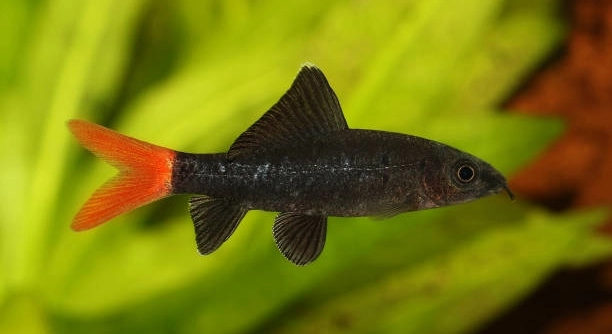
Are your rainbow sharks acting restless or hiding more than usual, making your aquarium feel less peaceful than it used to? These signs can be early warnings that your tank environment may be causing them stress.
The most effective way to prevent rainbow shark tank stress is by creating a stable, well-structured environment. This includes providing adequate space, hiding spots, consistent water parameters, and avoiding tankmates that may trigger aggression or territorial behavior.
A few small changes can lead to a calmer, healthier tank. In the following sections, you’ll learn easy ways to create a peaceful home for your rainbow shark.
Keep Tank Size in Mind
A rainbow shark needs enough room to swim freely and feel secure. A small tank can cause stress quickly. These fish are naturally territorial, and when they don’t have enough space, they become aggressive and anxious. A minimum of 55 gallons is recommended for a single rainbow shark. The more room you give them, the more likely they are to thrive without showing signs of stress. Tank decorations and natural barriers like driftwood or rocks also help reduce tension. These additions create a sense of territory and personal space, which keeps aggression to a minimum. Avoid overcrowding the tank with other fish.
Always choose a tank size that gives your rainbow shark room to grow and explore. Cramped conditions lead to stress and conflict.
With proper space, you’ll notice your rainbow shark swimming confidently and showing brighter colors. A larger tank supports better water quality, reduces aggression, and helps maintain a healthy aquatic environment.
Choose Compatible Tankmates
Rainbow sharks are not naturally social fish and may lash out if housed with the wrong companions. Peaceful, bottom-avoiding species are best.
Tankmates like barbs, rainbowfish, or larger tetras can coexist with a rainbow shark when introduced carefully. Avoid slow, long-finned, or bottom-dwelling fish such as bettas or corydoras, as they tend to attract aggression. Introducing tankmates while the rainbow shark is still young and placing them in a large enough tank helps reduce territorial behavior. Adding all fish at once, rather than one at a time, can also ease tensions. Make sure each species has its own space—this keeps stress levels low for everyone. Always monitor new additions closely during the first few days and be prepared to make adjustments if needed. Compatibility isn’t just about species—it’s about timing, tank layout, and your fish’s individual behavior. Creating balance is key to long-term peace in your aquarium.
Maintain Stable Water Conditions
Unstable water conditions can stress a rainbow shark quickly. Fluctuating temperature, pH, or ammonia levels can affect their health and behavior. Use a reliable heater, test water weekly, and perform partial water changes to keep everything in balance.
Keep the water temperature between 75–81°F and maintain a pH level between 6.5 and 7.5. Use a water testing kit regularly to monitor ammonia, nitrite, and nitrate levels. High ammonia or nitrites can cause stress and illness. Change about 25% of the tank water every week and clean the filter monthly without using soap or tap water directly. Stable water conditions help fish feel more secure and less reactive. If your shark suddenly hides or stops eating, it could be a water quality issue. A consistent routine goes a long way in keeping your fish healthy and your tank calm.
Even small changes in water parameters can trigger noticeable behavior shifts in your rainbow shark. You may see signs like erratic swimming, fading color, or loss of appetite. These signs often improve once the water returns to proper levels. Always check water conditions first if you notice something off. Keeping your equipment clean and calibrated prevents future issues and supports a balanced, low-stress tank environment.
Create Hiding Spaces
Lack of shelter makes rainbow sharks feel exposed, which leads to stress. They are territorial by nature and appreciate having a space to retreat when overwhelmed. Hiding spots help reduce tension and make your shark feel secure in its environment.
Use decorations like driftwood, caves, rocks, or dense plants to create sheltered areas throughout the tank. These spots should be spaced out to give your rainbow shark a few different options to choose from, depending on where it feels most comfortable. Avoid placing all the hiding spaces in one section of the tank, as this could cause your shark to guard that area aggressively. Spread them evenly to help reduce conflict with other fish. Be sure that each space is large enough for the shark to fully fit inside or behind, without getting stuck. These hideouts are especially important if you have multiple fish in the tank, as they help all fish feel safer.
Avoid Overfeeding
Feeding too much can raise ammonia levels and lower water quality. It also leads to bloating and stress in rainbow sharks. Offer small amounts once or twice a day, and remove any uneaten food after a few minutes to keep the tank clean.
Use a mix of pellets, algae wafers, and the occasional treat like bloodworms. This supports balanced nutrition without overwhelming their system. Stick to a feeding schedule and adjust amounts based on your shark’s appetite and activity level. Consistency and moderation are key when it comes to feeding.
Reduce Sudden Movements and Noise
Rainbow sharks can be sensitive to loud sounds and fast movements near their tank. Avoid tapping the glass or placing the aquarium in a noisy area. Keep lighting gradual, especially during morning or evening hours, to avoid sudden shocks that may cause stress.
Don’t Rearrange Decorations Often
Frequent changes to the tank layout can confuse or upset your rainbow shark. They rely on consistent surroundings to feel safe and maintain territory. Only adjust decorations when necessary, and try to keep favorite hiding spots in place when making changes.
FAQ
How do I know if my rainbow shark is stressed?
Common signs of stress in rainbow sharks include hiding more than usual, pale or dull coloration, fast or erratic swimming, and lack of appetite. Some sharks may also become unusually aggressive toward other tankmates. If you notice sudden changes in behavior, it’s often a sign that something in the environment isn’t right. Check the water parameters first, then look at space, tankmate compatibility, and feeding habits. Stress can come from multiple sources, so it’s important to observe your shark closely and make one adjustment at a time.
Can I keep more than one rainbow shark in the same tank?
Rainbow sharks are territorial and usually do not do well with others of their kind. Housing more than one in the same tank often leads to aggressive behavior and injuries. If you want to try keeping more than one, you’ll need a very large tank—at least 125 gallons—with plenty of hiding spaces and visual barriers. Even then, success is not guaranteed. In most cases, it’s safest to keep just one rainbow shark per tank to avoid stress and conflict.
How often should I clean the tank to reduce stress?
Cleaning the tank regularly helps maintain good water quality, which directly affects stress levels. Do a 25% water change once a week and siphon the substrate to remove waste. Rinse the filter media monthly using tank water—not tap water—to keep beneficial bacteria alive. Avoid deep cleaning everything at once, as this can disrupt the biological balance. Keeping a simple cleaning routine reduces the risk of water spikes and helps your rainbow shark feel more stable in its environment.
Do rainbow sharks need live plants in their tank?
Live plants are not required, but they can help reduce stress. Plants provide shelter, improve water quality, and create a more natural setting. Good plant choices include java fern, anubias, and hornwort. These are easy to maintain and won’t be uprooted by your shark’s movement. Live plants also help with oxygen levels and nitrate control, making the tank healthier overall. If live plants aren’t an option, use soft silk plants instead to avoid damaging your shark’s fins.
Is it okay to use tank lights all day?
Rainbow sharks prefer a regular light cycle—around 8 to 10 hours of light per day. Keeping the lights on for too long or leaving them off entirely can cause stress. Use a timer to help maintain consistency. Sudden changes in lighting, like turning lights on abruptly in a dark room, may startle your shark. Choose a light with adjustable brightness or a ramp-up feature to ease transitions. If your tank is in a bright room, be mindful of sunlight, as it can add unwanted heat or algae.
What water conditions do rainbow sharks need?
Rainbow sharks do best in freshwater with a stable temperature between 75–81°F and a pH between 6.5 and 7.5. Keep ammonia and nitrites at 0 ppm and nitrates below 40 ppm. Use a reliable water test kit to monitor conditions weekly. They also need a strong filter to maintain water clarity and oxygen levels. Sudden changes in water quality can cause health issues and stress. Always acclimate your shark slowly when introducing it to a new tank or making changes to the water chemistry.
Can rainbow sharks live with bottom feeders like plecos or corydoras?
It’s best to avoid housing rainbow sharks with other bottom-dwelling fish. They tend to see the bottom of the tank as their territory and may become aggressive toward fish that enter that space. While some people have success with larger or more assertive bottom-dwellers like certain types of plecos, it’s risky. Corydoras are especially vulnerable due to their peaceful nature and size. If you want a mixed tank, choose mid-to-upper-level swimmers that stay out of the shark’s way.
How long do rainbow sharks usually live?
With proper care, rainbow sharks can live between 5 to 8 years. Factors like tank size, water quality, diet, and stress levels all affect their lifespan. A well-maintained environment and consistent routine can help your shark live a full and healthy life. Avoid sudden changes in tank conditions, provide enough space, and monitor for signs of illness or aggression. Regular care makes a big difference over time.
Final Thoughts
Caring for a rainbow shark takes patience, consistency, and attention to detail. These fish can be beautiful and active additions to a home aquarium, but they also need the right environment to feel secure. Stress in rainbow sharks is often caused by small things that build up over time—like poor water quality, overcrowding, or lack of hiding places. By taking a step-by-step approach, you can keep stress levels low and help your fish thrive. A calm, balanced tank leads to healthier fish and a better viewing experience for you.
One of the most important things you can do is keep the tank stable. This means regular water testing, weekly water changes, and a reliable heater and filter. Sudden changes in temperature or water conditions can throw off your shark and lead to health problems. Feeding should also be consistent but not excessive. Too much food can harm water quality and cause bloating. Choosing the right tankmates matters just as much. Rainbow sharks prefer to be the only bottom-dweller and do best with peaceful fish that stay out of their space. When in doubt, go for species that swim in different areas of the tank.
A peaceful tank doesn’t require fancy equipment or hard-to-find items. Simple changes—like adding more plants or adjusting your feeding routine—can make a big difference. Watch your shark closely and learn its behavior. If you notice something off, address it early before it becomes a larger issue. Creating a good home for your rainbow shark isn’t just about avoiding problems—it’s about setting up an environment where your fish feels safe and comfortable every day. With a little time and care, you’ll see your shark become more confident, active, and colorful, showing that it’s truly stress-free.

Hello,
If you enjoy the content that we create, please consider saying a "Thank You!" by leaving a tip.
Every little bit helps us continue crafting quality advice that supports the health, happiness, and well-being of pets around the world, for pets of all shapes, sizes, and species.
We really appreciate the kindness and support that you show us!