
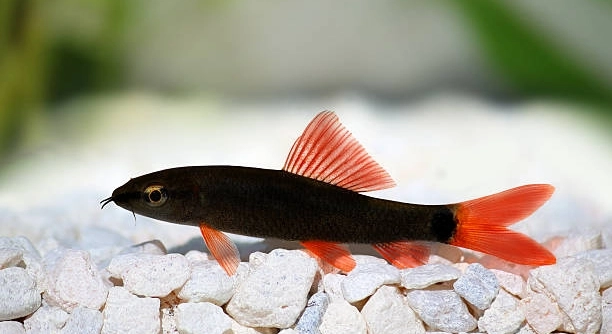
Rainbow sharks are popular aquarium fish known for their vibrant colors. Many owners enjoy their bright appearance but sometimes notice the colors fading over time. This article explains why this happens and offers ways to keep their colors bright.
Color fading in rainbow sharks is mainly caused by poor water quality, inadequate diet, stress, illness, insufficient lighting, overcrowding, and aging. Addressing these factors through proper care and environment management helps maintain their vibrant colors and health.
Understanding the causes of color fading will help you create the best environment for your rainbow shark. This knowledge supports their well-being and keeps your aquarium looking lively and colorful.
Poor Water Quality
Poor water quality is one of the main reasons rainbow shark colors fade. If the water in the tank contains high levels of ammonia, nitrites, or nitrates, it stresses the fish. This stress affects their immune system and causes dull coloration. In addition, water that is not properly filtered or changed regularly accumulates toxins that harm the fish’s skin and scales. Keeping the water clean with frequent water changes and a good filtration system is essential. Testing the water regularly helps to maintain safe levels of chemicals and keeps the environment stable for your rainbow shark. Proper water temperature and pH balance also play a role in preserving vibrant colors. When the water conditions are ideal, rainbow sharks show their brightest and healthiest colors.
Regular water testing and changes are key to maintaining water quality and preventing color fading in rainbow sharks.
Maintaining a clean tank environment means changing about 20-25% of the water weekly. Use a reliable water test kit to check ammonia, nitrite, nitrate, pH, and temperature. Adjust as needed to keep these parameters within the recommended ranges. Adding live plants can help absorb excess nutrients and improve water quality. Avoid overfeeding, which contributes to waste buildup. By focusing on these practices, the rainbow shark’s colors remain strong and the fish stays healthy for a longer time.
Inadequate Diet
A poor diet directly impacts the color vibrancy of rainbow sharks. These fish require a balanced diet rich in proteins and carotenoids, which enhance their natural coloration. Feeding only flakes or low-quality food often leads to dull colors and weak immune systems. Including live or frozen foods such as bloodworms, brine shrimp, and high-quality pellets supports their nutritional needs. Vitamin supplements can also help maintain their bright hues. Overfeeding or feeding the wrong food can cause digestive problems and stress, further affecting color. Proper feeding habits are crucial for keeping rainbow sharks colorful and lively.
Feeding a variety of nutritious foods helps restore and maintain vibrant colors in rainbow sharks.
Offering a balanced diet with varied food sources improves the overall health and color of rainbow sharks. Rotate between pellets, live foods, and frozen options to provide essential nutrients. Carotenoids in the diet contribute directly to red and orange tones, so including foods rich in these compounds is beneficial. Avoid overfeeding by offering only what the fish can eat in a few minutes to prevent waste buildup in the tank. Healthy feeding routines help rainbow sharks maintain their bright colors and resist illness, making them more enjoyable to watch.
Stress and Overcrowding
Stress weakens a rainbow shark’s immune system and causes color fading. Overcrowded tanks increase aggression and competition for food, making fish more stressed.
Stress in rainbow sharks often results from aggressive tank mates or insufficient hiding spots. When crowded, they compete for space and food, causing physical and mental strain. Providing ample space, suitable companions, and places to hide helps reduce stress. Reducing noise and sudden movements around the tank also keeps the fish calm. A peaceful environment supports their health and bright coloration.
Overcrowding raises stress levels by limiting swimming space and increasing fights. Keeping fewer fish or separating aggressive species reduces these problems. A well-planned tank setup ensures rainbow sharks feel secure, promoting their vivid colors and overall well-being.
Insufficient Lighting
Proper lighting is essential for maintaining the rainbow shark’s bright colors. Without enough light, their colors become dull and muted.
Lighting supports the fish’s natural biological processes and enhances their appearance. Too little light or inconsistent lighting schedules can cause stress and color loss. Use aquarium lights designed to mimic natural daylight with a balanced spectrum. Keeping a regular light cycle of about 10-12 hours per day helps fish maintain normal behavior and coloration. Avoid direct sunlight, which can cause algae growth and temperature spikes that harm the fish.
Adjusting lighting conditions to meet the rainbow shark’s needs helps preserve its color vibrancy. Light intensity and duration should be suited to the tank size and fish species. Using timers for consistent lighting reduces stress and supports healthy color development. Proper lighting also benefits live plants and improves overall tank aesthetics, making the rainbow shark’s colors stand out more clearly.
Illness and Disease
Illness can quickly dull a rainbow shark’s colors. Parasites, bacterial infections, or fungal problems cause stress and weaken their appearance.
Early detection and treatment are vital. Quarantining new fish before adding them to the main tank helps prevent disease spread. Maintaining clean water and a healthy diet supports their immune system.
Aging and Natural Color Changes
As rainbow sharks age, their colors may naturally fade. Older fish often show less vibrant hues due to slower metabolism and reduced pigment production.
This process is normal and cannot be fully prevented. However, good care throughout their life can slow color loss and keep them healthy for longer.
Overcrowding
Too many fish in a tank cause stress and competition. Overcrowding lowers water quality and leads to color fading in rainbow sharks.
FAQ
Why is my rainbow shark’s color fading despite good water quality?
Even with good water quality, other factors can affect color. Diet plays a big role—lack of nutrients and pigments causes fading. Stress from tank mates or sudden changes can also dull colors. Lighting and illness are additional reasons to check if water quality is fine.
How often should I change the water to maintain vibrant colors?
Changing 20-25% of the water every week is ideal. This keeps toxins low and water fresh without stressing the fish. Regular water testing helps ensure ammonia, nitrite, and nitrate levels stay safe for your rainbow shark.
Can a poor diet be reversed to restore my fish’s colors?
Yes, improving diet often restores colors. Include high-quality pellets with carotenoids, and offer live or frozen foods like bloodworms and brine shrimp. Avoid overfeeding but feed frequently enough to meet nutritional needs.
What lighting is best for rainbow sharks?
Use aquarium lights with a full spectrum that mimics natural daylight. A 10-12 hour light cycle helps maintain color and supports fish health. Avoid direct sunlight to prevent algae and temperature issues.
How do I reduce stress in my rainbow shark?
Provide enough space, avoid aggressive tank mates, and add hiding spots. Keep noise and disturbances low. Stable water parameters and a proper feeding routine also reduce stress, which helps maintain vibrant colors.
Can illness cause permanent color loss?
If untreated, illness can cause lasting damage. Early detection and treatment improve chances of recovery and color restoration. Quarantine new fish to prevent disease spread and maintain good tank hygiene.
Is it normal for older rainbow sharks to lose color?
Yes, aging often leads to natural color fading. While it cannot be fully prevented, proper care and nutrition can slow this process and keep the fish healthy longer.
How do I prevent overcrowding in my tank?
Follow guidelines for tank size and fish numbers. Avoid adding too many fish at once. If needed, separate aggressive species or move some fish to another tank to reduce stress and maintain water quality.
What signs indicate my rainbow shark is stressed?
Signs include hiding more than usual, loss of appetite, faded colors, and erratic swimming. Addressing environmental issues quickly helps reduce stress and prevent further health problems.
Can adding live plants improve my rainbow shark’s color?
Yes, live plants improve water quality by absorbing nitrates and providing natural cover. A planted tank creates a healthier environment, reducing stress and supporting vibrant colors.
How important is tank size for color retention?
A larger tank gives rainbow sharks room to swim and reduces stress. Small, cramped tanks cause poor water quality and aggression, leading to dull colors. A minimum of 30 gallons is recommended for one rainbow shark.
What foods contain carotenoids to enhance color?
Foods like shrimp, krill, and some algae contain carotenoids. These pigments help deepen red and orange tones in rainbow sharks. Including these foods in their diet supports brighter, healthier coloration.
Can water temperature affect my rainbow shark’s colors?
Yes, temperature outside the ideal range (72-79°F) causes stress and color fading. Use a reliable heater and thermometer to maintain stable water temperature suited to their needs.
Is it okay to keep rainbow sharks with other fish?
Rainbow sharks can be territorial. Choose peaceful tank mates and avoid small or slow-moving fish that may be bullied. Proper tank size and hiding spots help reduce aggression and stress.
How often should I test my aquarium water?
Test water weekly or before water changes. Frequent testing helps catch problems early, keeping water conditions stable and protecting your rainbow shark’s colors.
What should I do if my rainbow shark shows white spots or fuzzy growth?
These signs indicate possible infections like ich or fungus. Quarantine the affected fish and treat with appropriate medications. Maintain clean water and avoid overcrowding to prevent such infections.
Final Thoughts
Rainbow sharks are beautiful fish that bring life and color to any aquarium. Their bright red and black hues are striking but can fade over time for various reasons. Understanding the main causes of color fading, such as poor water quality, stress, inadequate diet, and illness, is important for keeping them vibrant. Providing clean water, a balanced diet, and a calm environment can help maintain their colors. It is also essential to keep the tank properly lit and avoid overcrowding. By paying attention to these details, you create a healthy home that supports your rainbow shark’s natural beauty.
Taking care of rainbow sharks requires regular maintenance and observation. Changing the water frequently and testing its quality helps prevent harmful toxins from building up. Feeding a mix of quality pellets, live, and frozen foods ensures they get the nutrients needed for strong colors. Avoiding aggressive tank mates and giving enough space for swimming reduces stress, which is a common cause of dullness. Early signs of illness should be addressed quickly to avoid permanent damage. Consistent care over time will help your rainbow shark keep its bright, lively appearance.
While some color changes may occur naturally with aging, proper care can slow this process. It is normal for older fish to lose some brightness, but a good environment extends their healthy, colorful years. Each rainbow shark is unique, and small adjustments in tank setup or feeding can make a big difference. Maintaining the right conditions shows respect for the fish’s needs and makes the aquarium a pleasant place to enjoy. Paying attention to these simple but important factors keeps your rainbow shark looking its best for a long time.

Hello,
If you enjoy the content that we create, please consider saying a "Thank You!" by leaving a tip.
Every little bit helps us continue crafting quality advice that supports the health, happiness, and well-being of pets around the world, for pets of all shapes, sizes, and species.
We really appreciate the kindness and support that you show us!