
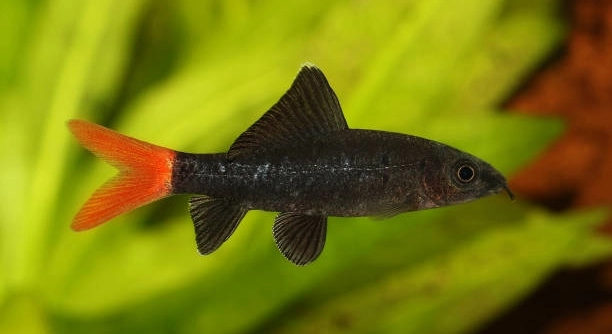
Rainbow sharks are popular aquarium fish known for their striking colors and active nature. However, they can sometimes show aggression that disrupts the tank’s harmony. Managing this behavior is essential for a peaceful and healthy aquatic environment.
Aggression in rainbow shark tanks primarily results from territorial disputes, overcrowding, and inadequate hiding spaces. Ensuring proper tank size, maintaining consistent water quality, and providing sufficient shelter can significantly reduce aggressive interactions among these fish.
Learning how to control aggression improves both the fish’s well-being and the enjoyment of the aquarium. The following tips offer practical solutions for creating a calmer tank environment.
Understanding Territorial Behavior
Rainbow sharks are naturally territorial fish. They claim specific areas of the tank and defend them aggressively against intruders. This behavior is more noticeable in smaller tanks where space is limited. When several rainbow sharks share a confined space, competition increases, often leading to stress and injury. It’s important to recognize that this territorial instinct is part of their nature and not a sign of illness or poor care. By observing their behavior, you can identify which fish are more dominant and which are more submissive. Providing clear boundaries and enough room helps reduce constant conflict and allows each fish to establish its own space. This can improve the overall balance in your aquarium and create a less stressful environment for all inhabitants.
Territorial aggression can cause significant stress in rainbow sharks. Proper tank setup minimizes these conflicts effectively.
Creating distinct territories within the tank by using plants, rocks, and decorations helps break the line of sight between fish. These visual barriers reduce direct confrontations and make fish feel safer. Offering hiding spots like caves or dense plant areas gives less dominant sharks places to retreat, easing tension. It’s also important to keep the tank clean and monitor water conditions regularly. Stable, high-quality water reduces stress and aggressive behavior. Combining these strategies can greatly improve harmony in your aquarium and promote healthier, more peaceful rainbow sharks.
Managing Tank Size and Population
Overcrowding is a major factor that triggers aggression in rainbow shark tanks. When too many fish are kept in a small tank, there is not enough space for each fish to claim its territory. This leads to constant chasing and fights. To prevent this, it is important to select an appropriately sized tank for the number of rainbow sharks and other fish. A tank that is at least 55 gallons is recommended for keeping multiple rainbow sharks comfortably. The larger the tank, the easier it is to separate the fish and reduce competition. In addition to space, consider the tank’s layout to provide varied areas for the fish to explore and hide. This lowers aggression by dispersing activity throughout the aquarium and preventing bottlenecks in any single area.
When choosing tank mates, select peaceful species that do not compete for the same territory or food. Avoid aggressive or very active fish that may provoke rainbow sharks. Balanced stocking and appropriate tank size are key to maintaining peace.
Providing enough room and selecting compatible companions will keep aggression under control. This creates a calmer environment where rainbow sharks can thrive without constant conflict.
Providing Adequate Hiding Places
Hiding places help reduce aggression by giving rainbow sharks spots to escape and rest. Without cover, fish feel exposed and stressed, increasing fights.
Plants, rocks, and decorations create natural hiding spots. Live plants are ideal because they also improve water quality. Caves and tunnels offer shelter and break the tank’s open space. It’s best to arrange these hiding places evenly to avoid overcrowding in certain areas. Providing multiple shelters allows shy or smaller fish to retreat safely from more dominant ones. This reduces stress and aggression.
Regularly changing the tank layout can also help prevent territorial disputes. When fish are unfamiliar with the environment, they spend more time exploring than fighting. Just make sure changes are gradual to avoid causing stress. Combining shelters with space management creates a calmer tank where rainbow sharks can coexist peacefully.
Maintaining Water Quality
Poor water quality stresses fish and triggers aggressive behavior. Keeping water parameters stable is crucial to reduce tension in the tank. Test water regularly for ammonia, nitrites, nitrates, pH, and temperature to ensure safe levels.
Consistent water changes remove toxins and replenish oxygen. Aim to change 20-30% of the water weekly, adjusting based on tank size and stocking density. Proper filtration supports biological balance by breaking down waste efficiently. Overfeeding and leftover food increase pollution, so feed sparingly and remove uneaten food promptly. Stress from poor water conditions weakens immune systems, making fish more prone to aggression. Clean water promotes health and peaceful interactions among rainbow sharks, creating a more enjoyable aquarium environment.
Feeding Schedule and Diet
Feeding rainbow sharks on a regular schedule helps reduce aggression linked to hunger. Avoid overfeeding, as it can pollute the tank and stress the fish. A balanced diet keeps them healthy and less likely to fight.
Provide a mix of sinking pellets, vegetables, and occasional protein treats. Variety supports their nutrition and keeps them satisfied.
Using Tank Dividers
Tank dividers are useful for separating aggressive individuals without removing them from the tank. They create physical barriers that prevent chasing and injury. Dividers work well during periods of heightened aggression or when introducing new fish.
Monitoring Behavior Closely
Regularly observing your rainbow sharks helps catch signs of aggression early. Quick intervention can prevent serious harm. Watch for chasing, fin nipping, and hiding.
Regular Tank Maintenance
Keeping the tank clean with routine maintenance reduces stress and supports healthy behavior. Remove debris, clean filters, and check equipment often.
FAQ
Why are my rainbow sharks so aggressive?
Aggression in rainbow sharks is often caused by territorial behavior, overcrowding, or lack of hiding places. These fish naturally defend their space, especially in smaller tanks where boundaries are unclear. Stress from poor water quality or incompatible tank mates can also increase aggressive tendencies.
How can I reduce aggression in my tank?
Provide plenty of space and adequate hiding spots like plants, caves, or decorations. Maintaining good water quality and avoiding overcrowding helps. Feeding a balanced diet on a regular schedule reduces hunger-related aggression. Using tank dividers can separate aggressive fish temporarily if needed.
Is it normal for rainbow sharks to chase each other?
Yes, chasing is a common territorial display among rainbow sharks. While some chasing is normal, excessive or constant chasing can harm fish and indicates stress. This behavior usually decreases when fish establish territories and have enough room.
Can tank size affect aggression levels?
Definitely. Smaller tanks limit space and increase competition for territory. A minimum of 55 gallons is recommended for multiple rainbow sharks. Larger tanks reduce direct confrontations by allowing fish to spread out and establish their own zones.
What are signs of aggressive behavior to watch for?
Look for chasing, biting, torn fins, and hiding. Fish that are frequently stressed may also lose color or show signs of illness. Early detection allows you to adjust tank conditions or separate aggressive individuals before serious injury occurs.
How often should I change the water?
Weekly water changes of 20-30% help keep ammonia and nitrate levels low. Regular water maintenance reduces stress and prevents aggression caused by poor water conditions.
Can tank decorations reduce fighting?
Yes, decorations create visual barriers and hiding spots that break up the tank space. This reduces direct line of sight and helps lower territorial disputes by giving fish private areas.
Should I add other fish with rainbow sharks?
Choose peaceful tank mates that do not compete for the same territory. Avoid aggressive or very active species that may provoke fights. Compatibility depends on tank size and species temperament.
What diet helps minimize aggression?
A varied diet including sinking pellets, vegetables, and occasional protein treats keeps rainbow sharks well-nourished. Overfeeding should be avoided to prevent water pollution, which can lead to stress and aggression.
When is it appropriate to use tank dividers?
Use dividers during periods of heightened aggression or to isolate injured fish. They allow you to keep fish in the same tank without physical contact, helping reduce fighting while maintaining normal tank dynamics.
Final thoughts on managing aggression in rainbow shark tanks focus on creating a balanced environment that meets the needs of the fish. Aggression is often a natural behavior tied to territory and survival instincts. However, this behavior can be controlled through proper tank setup and care. Providing enough space, hiding spots, and maintaining water quality are fundamental steps. These measures help reduce stress, which is a major factor in aggressive behavior. When fish feel secure and comfortable, they are less likely to act out aggressively. Consistency in care and observation also plays an important role in keeping the tank peaceful.
It is important to remember that each rainbow shark is different. Some individuals may naturally be more dominant, while others tend to be more passive. Recognizing these differences can guide how to arrange the tank and manage interactions. Sometimes simple changes, like rearranging decorations or adding plants, can make a big difference in calming aggressive fish. Monitoring their behavior regularly allows you to catch problems early and adjust the environment before aggression escalates. Keeping a clean tank and feeding a balanced diet will also support the overall health and well-being of your rainbow sharks, further reducing the chances of fighting.
Patience and attention are key when dealing with aggression in any aquarium. Changes in behavior may take time as fish adapt to new surroundings or tankmates. Using tools like tank dividers when necessary can help manage conflicts without removing fish entirely. A peaceful tank is achievable with careful planning and consistent care. By focusing on these practical steps, you create a healthier, calmer home for your rainbow sharks. This not only improves their quality of life but also makes your experience as an aquarium keeper more enjoyable and rewarding.

Hello,
If you enjoy the content that we create, please consider saying a "Thank You!" by leaving a tip.
Every little bit helps us continue crafting quality advice that supports the health, happiness, and well-being of pets around the world, for pets of all shapes, sizes, and species.
We really appreciate the kindness and support that you show us!