
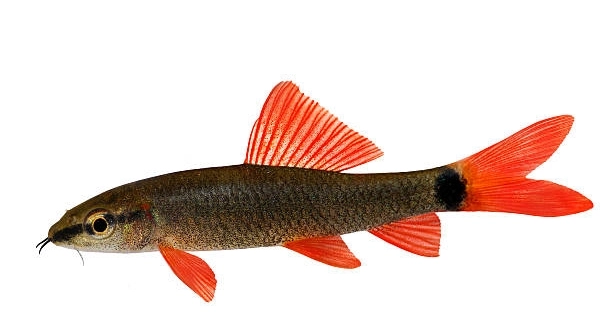
Rainbow sharks are popular aquarium fish, known for their striking colors and peaceful nature. However, tankmates can sometimes become aggressive, leading to stress and injury. Managing their behavior is important for a harmonious tank environment.
Aggression among rainbow shark tankmates often results from territorial disputes, overcrowding, or insufficient hiding spots. Providing adequate space, visual barriers, and compatible companions reduces fighting and promotes peaceful coexistence within the aquarium.
Understanding these simple adjustments can improve your tank’s atmosphere and help your fish live more comfortably together.
Provide Enough Space
Rainbow sharks need plenty of room to swim and establish their territories. A small tank causes stress and increases the chance of fighting. For one rainbow shark, a minimum of 30 gallons is recommended. If you have more than one, the tank should be even larger. Overcrowding can make these fish feel trapped and defensive. Adding decorations like plants and rocks can help break the line of sight between fish. This reduces tension and gives each shark its own area. A well-structured tank allows fish to move freely without constantly bumping into each other. It also helps reduce aggression caused by territorial disputes. When I expanded my tank and added hiding spots, the fighting stopped quickly. Fish appeared calmer and more active. Giving your rainbow sharks enough space and visual barriers is an easy way to create a peaceful environment.
Providing adequate tank size is a key step in preventing conflict. It helps each fish feel secure and less threatened by neighbors.
Setting up the tank properly involves more than just size. Decorations like plants and caves give sharks places to hide and rest. These areas offer refuge during stressful moments. Visual barriers are also important because rainbow sharks are territorial and can be aggressive when they see each other all the time. By breaking their line of sight, you lower their urge to defend space. A larger tank with plenty of hiding spots reduces competition for territory and allows natural behaviors to emerge. This results in less fighting and healthier fish. Taking the time to arrange your aquarium thoughtfully pays off in the long run by keeping your rainbow sharks happy and peaceful.
Choose Compatible Tankmates
Choosing the right tankmates for rainbow sharks matters a lot. Not all fish get along with their semi-aggressive nature. Some fish may provoke or be bothered by them. Avoid small, slow-moving fish that can be easily bullied or injured. Fast swimmers or bottom dwellers that occupy different areas of the tank tend to do better. Community fish that are peaceful but active can coexist well. My own experience showed that keeping rainbow sharks with similarly sized, non-aggressive fish reduces tension. Compatibility reduces stress and fighting over food or space. It also improves the overall health of the aquarium.
Picking peaceful, active fish that live in different zones keeps your rainbow sharks calm and less likely to fight.
Compatibility means understanding how each species behaves. Rainbow sharks can be territorial, especially towards fish that share the same space or look similar. Fish like danios, barbs, and larger tetras often do well because they swim in the mid to upper levels, while rainbow sharks prefer the bottom. This natural separation reduces conflict. Avoid slow bottom dwellers like corydoras that may become targets. When tankmates have different activity patterns and spaces, they don’t compete as much. This lowers aggression and makes feeding easier. Observing your fish regularly will help you spot early signs of stress or fighting so you can adjust tankmates if needed. A balanced community creates a peaceful and healthy aquarium for everyone.
Maintain Good Water Quality
Poor water quality can increase stress and aggression in rainbow sharks. Regular water changes and testing are essential to keep the tank healthy.
Clean water helps keep fish calm and less prone to fighting. Waste buildup causes irritation and weakens their immune system. Keeping ammonia, nitrite, and nitrate levels low is critical. I noticed less aggression after improving my tank’s filtration and doing weekly water changes. Consistent water care leads to a more stable environment, reducing conflicts. Using a good filter and removing uneaten food also prevents water pollution. These steps are simple but effective in maintaining peace among your tankmates.
Water changes remove harmful toxins that build up quickly in a crowded tank. Filters help keep the water clear and oxygen-rich, which benefits all fish. When water conditions are poor, fish become stressed and more aggressive. Stress causes behaviors like chasing and nipping to increase. Keeping the tank clean lowers this risk and supports your rainbow sharks’ health. Testing kits make monitoring water parameters easy. It’s important to adjust water changes and maintenance based on your tank’s size and fish load. Consistency is key. Regular care prevents sudden spikes in harmful chemicals and keeps your fish comfortable.
Feed Balanced and Adequate Diets
Feeding your rainbow sharks the right amount and type of food helps reduce aggression. Hunger can make fish more competitive and hostile.
Balanced diets provide the nutrients rainbow sharks need for energy and health. Overfeeding causes waste buildup, but underfeeding can lead to fighting over food. I found that feeding smaller portions multiple times a day calms their behavior. Including sinking pellets, vegetables, and occasional protein treats keeps them satisfied. A well-fed fish is less likely to chase or nip at others. Avoiding sudden changes in diet also helps keep fish stress-free.
Providing enough food reduces competition during feeding times. Variety in diet supports overall health and reduces aggressive food guarding. Feeding schedules prevent hunger-driven fighting. This approach creates a more peaceful environment for all tankmates.
Add Hiding Spots
Hiding spots reduce stress by giving rainbow sharks places to retreat when feeling threatened. Plants, caves, and decorations create safe zones.
These areas prevent constant eye contact between fish, which helps lower aggression. When my tank had more hiding places, the sharks fought less and seemed calmer overall.
Avoid Overcrowding
Too many fish in one tank increases competition for space and resources. This often leads to more aggressive behavior among rainbow sharks. Keeping the tank population within recommended limits helps reduce stress and territorial disputes.
Use Dim Lighting
Bright lighting can stress rainbow sharks and make them more defensive. Lowering the light intensity or providing shaded areas helps fish feel secure. Dim lighting mimics their natural habitat and reduces aggressive interactions.
Monitor Fish Behavior
Watch your rainbow sharks regularly to catch signs of aggression early. Early action can prevent serious injuries and long-term stress.
FAQ
Why do rainbow sharks fight with their tankmates?
Rainbow sharks are naturally territorial fish. They often fight to defend their space, especially in smaller tanks. Overcrowding, lack of hiding spots, and incompatible tankmates can increase aggression. Stress from poor water quality or hunger may also cause them to act hostile. Understanding these causes helps manage and reduce fighting in the aquarium.
How much space do rainbow sharks need to prevent fighting?
A single rainbow shark needs at least 30 gallons of water. More than one requires even more space to avoid territorial disputes. Adequate tank size allows each fish to claim its own area and swim freely. Overcrowding leads to stress and aggression, so providing enough room is key to peaceful coexistence.
What are the best tankmates for rainbow sharks?
Good tankmates are active, peaceful fish that swim in different areas of the tank. Fast swimmers like danios, barbs, or larger tetras usually get along well. Avoid slow, small, or bottom-dwelling fish that may be bullied. Compatible tankmates reduce competition and help maintain calm.
How often should I feed my rainbow sharks to reduce fighting?
Feeding smaller portions two to three times a day works best. This prevents hunger-driven aggression during feeding times. A balanced diet with sinking pellets, vegetables, and occasional protein treats keeps them satisfied and healthy. Avoid overfeeding to prevent water quality problems.
What role does water quality play in rainbow shark aggression?
Poor water quality stresses fish and makes them more aggressive. High ammonia, nitrite, or nitrate levels can irritate them and weaken their immune systems. Regular water changes, good filtration, and testing keep the tank environment stable and healthy, reducing fighting.
How can hiding spots help reduce fights among rainbow sharks?
Hiding spots provide places for fish to escape when stressed or threatened. Plants, caves, and decorations break the line of sight between fish, lowering territorial aggression. More hiding spaces mean less constant confrontation, making the tank a calmer place.
Is lighting important for rainbow shark behavior?
Yes, bright lighting can increase stress and defensive behavior. Dim lighting or shaded areas create a more natural environment. This helps rainbow sharks feel secure and reduces aggressive interactions caused by discomfort or fear.
What should I do if fighting continues despite these fixes?
If fighting persists, check tank size, water quality, and tankmates again. Sometimes, separating aggressive individuals or moving fish to different tanks is necessary. Observing behavior closely and making gradual changes can help restore peace.
Can rainbow sharks be kept alone?
Yes, rainbow sharks can live alone, and many owners prefer this to avoid fighting. However, they still need a spacious tank and a well-maintained environment. Keeping them alone removes territorial disputes but requires attention to their social needs through enrichment.
How do I know if my rainbow shark is injured from fighting?
Look for torn fins, scratches, or unusual behavior like hiding or lethargy. Injuries may also cause the fish to lose appetite or swim abnormally. Treating wounds promptly and improving tank conditions will help recovery and prevent further fights.
Final Thoughts
Managing rainbow shark tankmates can sometimes be challenging because these fish are naturally territorial. It is important to remember that their fighting behavior is often a result of their environment. Small tanks, poor water quality, and incompatible companions can all make aggression worse. Providing enough space, hiding spots, and suitable tankmates helps reduce stress and keep the peace. Taking these steps shows respect for the natural needs of rainbow sharks and improves their quality of life in captivity. Creating a balanced and comfortable tank environment benefits all fish involved.
Regular care and attention are essential in preventing fights. Consistent water changes and testing keep the tank clean and healthy, which lowers stress levels. Feeding balanced diets on a schedule keeps fish well-nourished and less likely to compete aggressively. Watching for early signs of aggression can allow you to make quick changes before problems escalate. Sometimes small adjustments in lighting or adding decorations can make a big difference. Over time, these efforts create a stable and calm aquarium where rainbow sharks and their tankmates can thrive together.
It is important to stay patient and observant. Fish behavior can change with time as they adjust to their surroundings. Some rainbow sharks may always show more territorial instincts than others, so adapting your setup to fit their needs is key. If fighting continues despite your best efforts, separating aggressive individuals or reconsidering tankmates might be necessary. With thoughtful care, it is possible to enjoy a peaceful aquarium that showcases the beauty and personality of rainbow sharks without ongoing conflict. Taking the time to understand their behavior and environment will lead to a happier, healthier tank for everyone.

Hello,
If you enjoy the content that we create, please consider saying a "Thank You!" by leaving a tip.
Every little bit helps us continue crafting quality advice that supports the health, happiness, and well-being of pets around the world, for pets of all shapes, sizes, and species.
We really appreciate the kindness and support that you show us!