
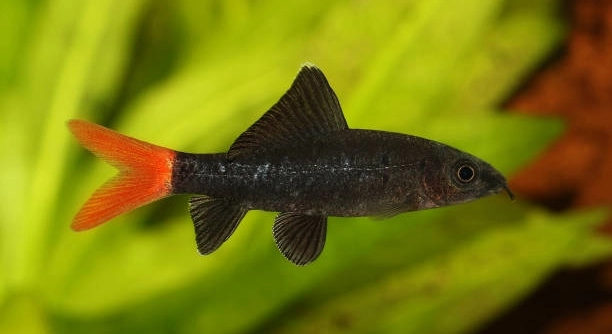
Rainbow sharks are popular freshwater fish known for their bright colors and active behavior. However, they can sometimes show aggressive tendencies that worry many aquarium owners. Managing their temperament is important for a peaceful tank environment.
Controlling aggression in rainbow sharks involves proper tank size, providing hiding spots, maintaining a balanced diet, and avoiding overcrowding. Monitoring water quality and compatible tank mates also help reduce stress and territorial behavior.
Knowing how to keep aggression in check will help create a calmer, healthier space for your fish to thrive and coexist peacefully.
Provide Enough Space for Each Fish
Rainbow sharks are territorial fish that need plenty of room to swim and establish their own areas. A cramped tank can increase aggression because the fish feel threatened or stressed. Ideally, a tank for one rainbow shark should be at least 30 gallons, with larger tanks required if you have more than one. This extra space helps reduce fights over territory and lets each fish have its own spot. Adding plants and decorations can also break up the area, giving hiding places and visual barriers. These features make it easier for the fish to avoid constant confrontation. Proper spacing is one of the most effective ways to manage aggressive behavior in rainbow sharks.
Having ample space in the tank creates a calmer environment, lowering stress and territorial disputes among your fish.
Keeping a large, well-decorated tank is essential for rainbow sharks to live comfortably. When their space needs are met, they are less likely to chase or nip at other tank mates. Consider the tank size carefully when planning your aquarium setup. It’s also important to arrange plants, rocks, and other hiding spots strategically so the fish can escape if they feel threatened. This helps keep peace in the tank and promotes healthier social behavior among the fish. A spacious tank combined with good decoration reduces tension and makes aggression easier to control.
Maintain a Balanced Diet
Rainbow sharks require a diet rich in nutrients to stay healthy and calm. Feeding them high-quality pellets designed for omnivores, along with occasional treats like bloodworms or vegetables, provides essential vitamins and minerals. An underfed or poorly fed fish can become more aggressive due to hunger or stress. Feeding small amounts multiple times a day is better than one large meal. This prevents competition over food and keeps the fish satisfied. Avoid overfeeding, as leftover food can pollute the water, causing poor water quality, which also leads to stress and aggression.
A well-balanced diet supports overall health and reduces irritability in rainbow sharks.
Ensuring your rainbow shark’s diet meets all nutritional needs helps prevent behavioral problems. A diet too low in protein or lacking variety can cause frustration and territorial fights. By offering a mix of pellets, live foods, and fresh vegetables, you promote calmness and reduce competition. Also, maintaining a regular feeding schedule helps the fish anticipate meals, lowering stress. If aggression still occurs, check the feeding routine and adjust amounts or types of food. Feeding the fish properly is a simple but important step in managing their behavior and keeping your aquarium peaceful.
Avoid Overcrowding the Tank
Too many fish in one tank cause stress and increase aggression. Rainbow sharks need space to feel secure.
Overcrowding limits swimming space and increases competition for territory and food. This often leads to chasing and fin-nipping. It also raises waste levels, harming water quality and causing stress. Stress makes rainbow sharks more likely to act aggressively toward other fish. Proper stocking levels are essential for a peaceful aquarium environment.
To keep aggression low, provide enough room for each fish and avoid adding too many tank mates. A larger tank helps balance fish numbers and reduces conflict. If your tank feels crowded, consider removing some fish or upgrading to a bigger aquarium. Keeping the population balanced prevents fights and promotes better health for all your aquatic pets.
Choose Compatible Tank Mates
Rainbow sharks do best with peaceful, non-aggressive fish that occupy different areas of the tank.
Avoid pairing rainbow sharks with other territorial or fast-moving species that compete for the same space. Good tank mates include bottom-dwellers like corydoras or peaceful mid-level swimmers like tetras. These fish won’t challenge the rainbow shark’s territory or provoke aggressive behavior. Choosing compatible companions creates a more harmonious aquarium where everyone can coexist without stress or fights.
Careful selection of tank mates reduces competition and prevents bullying. A well-planned community tank supports peaceful behavior by providing each species its own niche. Avoid mixing rainbow sharks with fin-nippers or overly aggressive fish to keep the peace. Matching fish with complementary temperaments ensures a more stable and enjoyable tank environment.
Provide Plenty of Hiding Spots
Hiding places help rainbow sharks feel safe and reduce aggression. Use plants, caves, and decorations to create shelters.
These spots break up the tank visually and give fish space to escape from others. When fish can hide, they are less stressed and less likely to fight over territory.
Maintain Clean Water Conditions
Clean water is critical for reducing stress and aggressive behavior in rainbow sharks. Regular water changes and proper filtration keep ammonia and nitrate levels low. Poor water quality irritates fish and can trigger fights. Monitoring water parameters consistently prevents health issues and promotes a peaceful tank environment.
Monitor Tank Temperature
Rainbow sharks prefer stable temperatures between 74°F and 80°F. Sudden changes can stress them, leading to aggression. Keeping the temperature steady helps maintain calm behavior and good health.
How can I tell if my rainbow shark is being too aggressive?
Aggressive behavior in rainbow sharks often shows as chasing other fish, nipping fins, or guarding territory aggressively. If you notice your rainbow shark frequently bullying tank mates or causing injury, it is a sign that aggression levels are too high. Watch for constant chasing or hiding by other fish, which indicates stress caused by the rainbow shark’s behavior.
What tank size is best to reduce aggression in rainbow sharks?
A minimum of 30 gallons is recommended for one rainbow shark to reduce territorial disputes. If you plan to keep multiple rainbow sharks or other fish, a larger tank of 50 gallons or more is better. More space allows fish to establish separate territories, lowering aggression and improving tank harmony.
Can overcrowding cause rainbow shark aggression?
Yes, overcrowding is a major factor that increases aggression. When there are too many fish in a tank, space becomes limited, and competition for territory and food rises. This stress triggers aggressive behavior in rainbow sharks, making them chase or nip at others. Keeping a balanced number of fish based on tank size helps prevent this problem.
Are certain fish better tank mates for rainbow sharks?
Peaceful fish that occupy different tank levels make the best companions. Bottom dwellers like corydoras or peaceful schooling fish such as tetras usually coexist well. Avoid keeping rainbow sharks with aggressive or territorial species that compete for the same space, as this can lead to fights and injuries.
How often should I feed my rainbow shark to keep aggression down?
Feeding small amounts two to three times daily helps keep rainbow sharks satisfied and less likely to compete aggressively over food. A balanced diet of pellets, live or frozen foods, and vegetables supports their health. Overfeeding or underfeeding can both cause stress and aggression, so stick to a consistent feeding schedule.
What role do hiding spots play in controlling aggression?
Hiding spots provide fish with places to retreat when threatened. This reduces stress and prevents constant confrontations. Plants, caves, and decorations create safe zones that help break up territories. When rainbow sharks and other fish can avoid each other easily, aggression decreases and tank harmony improves.
How important is water quality in managing rainbow shark aggression?
Water quality is very important. Poor water conditions increase stress, which often triggers aggressive behavior. Regular water changes and good filtration keep ammonia, nitrites, and nitrates low. Monitoring temperature and pH also helps maintain a stable environment. Healthy fish are calmer fish.
Can stress cause rainbow sharks to become aggressive?
Yes, stress is a common cause of aggression. Stress can come from overcrowding, poor water quality, sudden changes in environment, or incompatible tank mates. Reducing these stressors helps lower aggression. Keeping the tank clean, stable, and spacious is key to preventing stressed behavior.
Is it okay to keep multiple rainbow sharks together?
Keeping multiple rainbow sharks together can increase aggression, especially in smaller tanks. They are territorial and may fight to establish dominance. If you want more than one, provide a very large tank with plenty of hiding places and monitor their behavior closely. Sometimes, separating aggressive individuals is necessary.
What should I do if my rainbow shark is too aggressive?
If aggression becomes a problem, check tank size, water quality, and diet first. Add more hiding spots or rearrange decorations to break up territories. Consider changing or reducing tank mates if they provoke fights. In extreme cases, separating the aggressive fish into a different tank may be necessary to protect others.
Managing aggression in rainbow sharks is important for a peaceful aquarium. These fish can show territorial behavior, but with the right care, their aggression can be kept under control. Giving them enough space, proper food, and a comfortable environment helps them stay calm. Paying attention to their tank conditions and how they interact with other fish also makes a big difference. When these needs are met, rainbow sharks are less likely to cause problems for their tank mates.
Keeping the tank clean and well-maintained is a key part of controlling aggression. Poor water quality can stress fish, making them more likely to fight. Regular water changes and good filtration keep the water safe and healthy. It is also important to monitor the tank’s temperature and keep it steady. When the environment is stable, rainbow sharks feel more secure and less aggressive. Adding plants, caves, and decorations creates hiding places that help fish avoid conflicts and reduce stress.
Choosing the right tank mates and avoiding overcrowding are additional steps that help control aggression. Rainbow sharks do better with peaceful fish that don’t compete for the same space. Overcrowding causes stress and fights, so it is best to keep the number of fish appropriate for the tank size. A well-planned aquarium with enough room, good water quality, and compatible fish gives rainbow sharks a chance to live happily and peacefully. With simple care and attention, aggression can be managed successfully.

Hello,
If you enjoy the content that we create, please consider saying a "Thank You!" by leaving a tip.
Every little bit helps us continue crafting quality advice that supports the health, happiness, and well-being of pets around the world, for pets of all shapes, sizes, and species.
We really appreciate the kindness and support that you show us!