
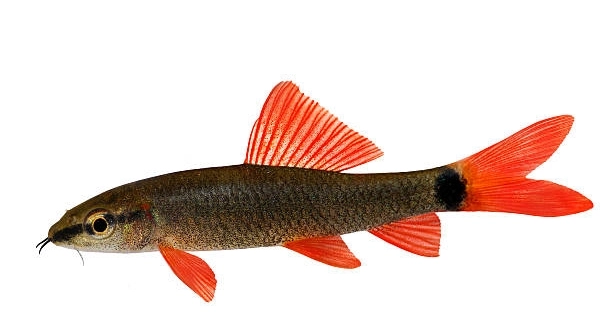
Is your rainbow shark acting sluggish or spending too much time near the water’s surface? These signs might point to low oxygen levels.
Low oxygen levels can cause rainbow sharks to become lethargic, breathe rapidly, or stay near the top of the tank. Poor water circulation, high temperatures, or overcrowding are often the root causes of oxygen deficiency in aquarium environments.
Recognizing these signs early can help you take simple steps to improve oxygen levels and support your rainbow shark’s overall well-being.
Gasping at the Surface
When rainbow sharks swim near the surface and open their mouths repeatedly, they’re likely trying to get more oxygen. This behavior isn’t just unusual—it’s a clear signal that something in the tank needs attention. In a healthy aquarium, oxygen levels remain balanced through proper aeration, water flow, and temperature control. However, when the water becomes stagnant or too warm, oxygen starts to drop. This forces the fish to rise to the top, where oxygen concentration is slightly higher. A good filtration system, regular water changes, and avoiding overcrowding are essential for maintaining a stable environment. Surface gasping may also point to poor water quality, which should be checked immediately using a reliable testing kit. Ammonia, nitrites, and high nitrate levels can all reduce available oxygen. Acting quickly can make a big difference, especially if multiple fish are showing signs of stress.
Rainbow sharks gasping at the surface are often reacting to low oxygen or water quality issues.
Monitoring surface behavior gives you an early warning sign. If addressed promptly, you can restore balance and prevent further health complications. Keep a close eye on their swimming patterns, especially if you notice them hovering near the top more often than usual.
Sluggish Swimming and Reduced Activity
Rainbow sharks are naturally active and enjoy darting around the tank.
When they slow down or stop exploring, it can be a result of decreased oxygen levels. Oxygen plays a critical role in how fish generate energy. Without enough of it, their body functions begin to slow, leading to visible changes in behavior. A sluggish rainbow shark may spend more time hiding or sitting at the bottom of the tank. You might also see less interaction with tank mates or a complete lack of interest in food. Poor oxygenation can come from several sources, including clogged filters, overstocking, or limited surface agitation. Warmer temperatures reduce dissolved oxygen, so even a slight rise in tank heat can impact their comfort. Maintaining the right conditions requires regular checks of the equipment, including the air pump, filter, and heater. If you notice a drop in activity, it’s best to test the water immediately and increase surface movement to help oxygen circulate more efficiently.
Rapid Gill Movement
Rapid gill movement is a strong indicator that your rainbow shark is struggling to get enough oxygen. When oxygen levels drop, fish breathe faster to compensate, which shows up as quick, repetitive gill flaring.
You’ll often notice this change during or after a disruption in the tank’s environment. Poor water circulation, blocked filters, or a broken air pump can cause oxygen levels to fall fast. Rainbow sharks react by increasing their breathing rate to draw in more oxygen, which puts stress on their system. If this continues, their energy will drop, and they may become more vulnerable to illness. This response may also be paired with sluggishness or surface gasping. Check the tank immediately for any mechanical issues, and test the water to ensure safe oxygen and ammonia levels. Restoring movement at the surface and increasing aeration helps bring oxygen levels back to normal.
Treat rapid gill movement seriously and act fast. It’s a warning sign of distress that can quickly escalate if ignored. When fish are forced to breathe faster, it places them under constant physical stress. Regularly cleaning the filter, keeping an eye on tank temperature, and ensuring the water is well-oxygenated will help prevent this issue. Avoid overfeeding as decaying food also reduces oxygen.
Refusing to Eat
Loss of appetite is one of the first signs your rainbow shark may be under environmental stress, including low oxygen. Fish often stop eating when their system is struggling to function properly.
When oxygen levels fall, digestion slows down. This leads to reduced hunger and skipped meals. You might see uneaten food sinking to the bottom, or your rainbow shark ignoring pellets it once chased eagerly. In some cases, it may spit food out shortly after taking it in. It’s easy to overlook missed feedings, but if they continue over a couple of days, it’s worth checking your tank’s oxygen levels. Even minor drops in oxygen can lead to discomfort that discourages eating. Combine water testing with visual checks of behavior. Along with aeration, slightly lowering the water temperature can help. Cooler water holds more oxygen, giving your fish relief while the issue is corrected.
Frequent Resting at the Bottom
If your rainbow shark is spending more time resting at the bottom, it may be struggling with low oxygen levels. This behavior often means they’re conserving energy because breathing has become harder.
Bottom-resting becomes more common when the water is too warm or lacks surface agitation. It’s a warning to act.
Dull or Faded Coloring
Low oxygen levels can impact your rainbow shark’s appearance. A once-bright fish may start to look pale or washed out. Oxygen helps regulate blood flow and overall health, and without it, your fish may lose its usual vibrancy. Dull coloring isn’t just cosmetic—it often reflects internal stress. When combined with other signs like sluggishness or rapid breathing, it points to a deeper problem. Addressing water quality and boosting oxygen levels can help restore their color over time. Make sure the tank is not overcrowded, and increase surface movement to promote better oxygen exchange. Recovery takes time but often starts with small, visible changes.
Aggressive or Erratic Behavior
Oxygen deprivation may cause your rainbow shark to act out aggressively or swim erratically. This reaction often results from stress and confusion as their body tries to adapt to the drop in oxygen.
FAQ
How can I increase oxygen in my rainbow shark’s tank quickly?
The fastest way to boost oxygen is by creating more surface agitation. You can do this by adjusting your filter’s outflow, adding an air stone, or increasing water movement with a circulation pump. Lowering the water temperature slightly also helps, as cooler water holds more oxygen. In emergency situations, performing a partial water change with cool, dechlorinated water can provide immediate relief. Keep in mind that the changes should be gradual and gentle to avoid shocking your fish. A combination of these methods will usually improve oxygen levels quickly and safely.
What’s the ideal oxygen level for a rainbow shark?
Rainbow sharks do best in well-oxygenated freshwater with a dissolved oxygen level of at least 5 mg/L. Keeping the water within this range helps support their metabolism, behavior, and immune system. If levels fall below 4 mg/L, your fish may begin showing signs of distress such as gasping or staying at the surface. Testing kits made for freshwater tanks can help you monitor dissolved oxygen regularly. Maintaining a clean tank, a working filter, and consistent aeration helps keep these levels stable without frequent intervention.
Does tank size affect oxygen levels for rainbow sharks?
Yes, tank size plays an important role. Smaller tanks are more likely to have oxygen issues because there’s less water volume to buffer changes. A tank that’s too small can also lead to overcrowding, which increases oxygen demand. For a single rainbow shark, a 30-gallon tank is the minimum recommended size. Larger tanks offer more surface area for gas exchange and more stable water conditions overall. Ensuring your tank is the right size makes it easier to manage oxygen levels and reduces the risk of sudden drops.
Can live plants improve oxygen levels in the tank?
Yes, live plants help boost oxygen during the day through photosynthesis. They absorb carbon dioxide and release oxygen, contributing to a healthier tank environment. Fast-growing species like hornwort or anacharis are particularly effective. However, at night, plants consume oxygen, so it’s important not to rely on them alone. Balanced lighting and a good filtration system should still be in place. Plants work best as a support system alongside proper aeration, especially in tanks with multiple fish or warmer water.
How do I know if low oxygen is the real issue?
Check for multiple signs together. If your rainbow shark is breathing rapidly, staying at the surface, acting sluggish, or avoiding food, it’s likely an oxygen problem. Use a water test kit to check ammonia, nitrite, and nitrate levels—high readings can also affect oxygen. A dissolved oxygen meter or test kit provides the clearest answer. If oxygen levels are normal, consider other causes like illness, poor diet, or unsuitable tankmates. Still, it’s always a good idea to improve aeration if you’re unsure—better oxygen benefits every fish in the tank.
Can high temperatures really lower oxygen that much?
Yes, even a small temperature increase can significantly reduce the amount of dissolved oxygen in water. Warm water holds less oxygen, which can quickly stress your fish if combined with low circulation. Tanks kept above 80°F are more prone to these issues. Keeping the temperature stable between 75–78°F for rainbow sharks is ideal. Use a reliable heater and thermometer to monitor changes, especially during hot seasons. If your home tends to get warm, consider using a fan or aquarium chiller to maintain a stable temperature.
Should I worry about oxygen levels if my shark looks fine?
Even if your rainbow shark seems fine, it’s still important to monitor oxygen levels regularly. Fish can adapt to slightly lower oxygen levels for short periods, but long-term exposure can weaken their immune system and affect growth. Some signs of low oxygen are subtle and may not appear until the fish is already under stress. Preventive care, like keeping the filter clean and adding aeration, helps avoid future problems. A stable, well-oxygenated tank promotes better health and keeps your rainbow shark active and colorful.
Final Thoughts
Caring for a rainbow shark means staying alert to small changes in behavior. When oxygen levels in the tank drop, your fish may show signs that something isn’t right. Gasping at the surface, resting more often, or refusing to eat are not random behaviors—they often point to low oxygen. These signals give you a chance to fix the issue before it gets worse. Watching your fish closely, keeping the tank clean, and using the right equipment can help prevent oxygen problems from happening in the first place. A stable environment keeps your rainbow shark healthy and active.
Proper oxygen levels are essential for your rainbow shark’s overall well-being. Without enough oxygen, even the best food and cleanest water won’t be enough to keep them healthy. Every piece of equipment in your tank plays a part in supporting good oxygen flow—from the filter to the air pump. Regular water tests, clean filters, and proper aeration are simple but important tasks. If you notice changes like dull coloring or fast breathing, it’s best to act quickly. Even slight improvements in water movement or temperature can help restore balance. A calm and steady approach is usually the most effective.
Making sure your rainbow shark has what it needs doesn’t have to be complicated. A little attention and care go a long way. Oxygen levels affect more than just breathing—they impact energy, color, and long-term health. When the tank environment is stable, your fish feels safe and behaves normally. By learning what signs to look for, you’ll be better prepared to spot a problem early. It’s about creating a space where your rainbow shark can swim comfortably and grow strong. Keeping oxygen levels in check is one of the most important parts of that process.

Hello,
If you enjoy the content that we create, please consider saying a "Thank You!" by leaving a tip.
Every little bit helps us continue crafting quality advice that supports the health, happiness, and well-being of pets around the world, for pets of all shapes, sizes, and species.
We really appreciate the kindness and support that you show us!