
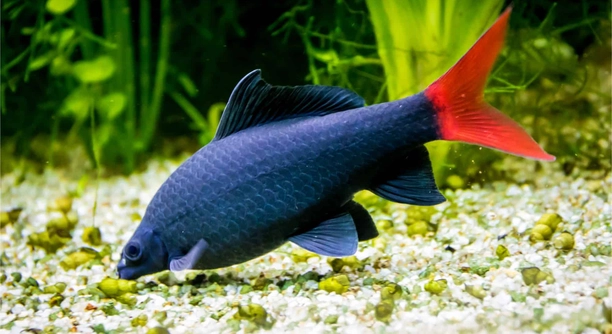
Rainbow sharks are popular freshwater fish known for their vibrant colors and peaceful nature. Many owners enjoy watching their graceful swimming and unique behavior in aquariums. Understanding their social needs is important for their well-being.
Rainbow sharks can show signs of loneliness when kept alone or without enough companions. They may become less active, hide frequently, lose appetite, or display aggressive behavior. Recognizing these signs helps maintain their health and prevent stress-related issues.
Learning to identify loneliness in your rainbow shark can improve its quality of life and ensure a happy, thriving aquarium environment.
Less Activity and More Hiding
When a rainbow shark feels lonely, one of the first things you might notice is a change in its activity level. Normally, these fish swim around the tank confidently and explore their environment. But if they start staying in one spot or hiding behind decorations for long periods, it could be a sign they are feeling isolated. Loneliness can make them lose interest in swimming and interacting with their surroundings. This behavior often leads to stress, which affects their overall health. If your rainbow shark is hiding more than usual or seems sluggish, it’s important to consider how social interaction or tank conditions might be improved. A lonely shark won’t display its usual bright colors or lively movements. Making changes to reduce isolation can help bring back their natural energy and improve their quality of life.
Lonely rainbow sharks may also avoid areas where other fish gather, spending most of their time alone.
Creating a more social tank environment or adding compatible tank mates can encourage your shark to be more active. Observing these changes early helps prevent long-term issues caused by loneliness or stress.
Loss of Appetite
A decrease in appetite is a clear sign that something is wrong with your rainbow shark’s well-being. When these fish feel lonely, they might eat less or refuse food altogether. This behavior can be linked to stress or depression caused by isolation. A rainbow shark with a poor appetite is at risk of losing weight and becoming weak, which can make it vulnerable to diseases. If you notice your fish is no longer interested in food, it is essential to assess their environment. Adding other fish or enriching the tank with hiding spots and plants can make the space feel more comfortable and less lonely. Feeding smaller portions more frequently can also help encourage eating. Monitoring appetite changes is critical for keeping your rainbow shark healthy and happy in its home.
Increased Aggression
Lonely rainbow sharks often show increased aggression toward other fish in the tank. This behavior is a clear signal of stress and frustration.
When a rainbow shark feels isolated, it may act defensively to protect its space, even if there is no real threat. This can result in chasing, nipping, or bullying tank mates. The aggression can disrupt the peaceful environment and cause harm to other fish. In some cases, it may stem from a lack of stimulation or the absence of suitable companions. Adjusting the tank setup or adding compatible fish can help reduce this behavior and ease the shark’s stress.
Aggression caused by loneliness is different from natural territorial behavior. It is usually more frequent and intense, making it important to monitor the interactions within the aquarium carefully to prevent injury or illness.
Color Fading
A rainbow shark’s vibrant colors may dull when it feels lonely or stressed. This loss of color is a common physical response to emotional discomfort.
Color fading occurs because stress triggers hormonal changes that affect pigmentation. Without proper social interaction or mental stimulation, the fish may lose its bright, attractive hues. This dull appearance can also indicate poor health or inadequate tank conditions. Improving the environment and adding suitable companions often helps restore their vivid colors. It is important to provide a well-balanced diet and a clean habitat to support the fish’s natural brightness.
Keeping a rainbow shark happy involves more than just water quality; social needs and mental well-being are equally important. Restoring their color is a sign that the shark is feeling more comfortable and secure in its space.
Excessive Swimming at the Surface
Lonely rainbow sharks may swim near the water surface more than usual. This behavior can indicate stress or discomfort.
Swimming at the surface often shows the fish is searching for something missing in its environment, such as interaction or stimulation.
Restlessness and Pacing
Restlessness is a common sign that your rainbow shark feels lonely. It may swim back and forth repeatedly, as if trying to find a way out or seeking attention. This pacing behavior suggests the fish is unsettled and stressed due to lack of social contact or a dull environment.
Providing a more engaging tank setup and considering compatible tank mates can help reduce this restless behavior, making your rainbow shark feel more at ease.
Increased Hiding Spots Usage
A lonely rainbow shark tends to spend more time in hiding spots than usual. This is a way to feel safe when stressed or isolated.
Changes in Breathing Rate
When feeling lonely or stressed, your rainbow shark’s breathing rate may increase. This is a physical reaction to anxiety or discomfort in the tank.
FAQ
How many rainbow sharks should I keep together?
Rainbow sharks are semi-aggressive and territorial, so it’s best to keep only one per tank unless it is very large. If you want to keep more, the tank should be at least 75 gallons or bigger, with plenty of hiding spots and visual barriers to reduce conflicts. Adding multiple rainbow sharks in a small tank usually leads to stress and fighting, which can make them feel lonely or threatened.
Can rainbow sharks live with other fish?
Yes, rainbow sharks can live peacefully with other fish species that are not too small or aggressive. Suitable tank mates include larger tetras, barbs, and some catfish. It’s important to avoid slow-moving or long-finned fish, as rainbow sharks might nip at them. A diverse community tank with enough space and hiding places helps reduce loneliness and stress in rainbow sharks.
What tank size is ideal for a rainbow shark?
A minimum tank size of 40 gallons is recommended for a single rainbow shark. This size gives enough swimming space and reduces territorial aggression. Larger tanks provide more room for hiding spots and decorations, which help keep the fish mentally stimulated and reduce feelings of loneliness.
What should I do if my rainbow shark is showing signs of loneliness?
First, check the tank size and environment to ensure it meets the fish’s needs. Adding plants, caves, and decorations creates hiding spots and visual barriers that improve comfort. If the tank is large enough, consider adding compatible tank mates to encourage social interaction. Monitor your shark’s behavior closely to see if these changes reduce loneliness symptoms.
Why does my rainbow shark chase other fish?
Chasing can be a sign of territorial behavior or stress caused by loneliness. When rainbow sharks feel isolated or bored, they may act aggressively toward other fish. Providing a more enriched environment and tank mates can reduce this behavior by giving your fish appropriate stimulation and company.
Can loneliness affect the health of my rainbow shark?
Yes, loneliness can lead to stress, which weakens the immune system and makes rainbow sharks more vulnerable to diseases. Stress may cause loss of appetite, color fading, and lethargy. Keeping the fish in a well-maintained tank with proper social conditions helps prevent these health problems.
How often should I feed my rainbow shark?
Feed your rainbow shark once or twice daily with a balanced diet including pellets, flakes, and occasional live or frozen foods like bloodworms. Avoid overfeeding, which can harm water quality. If your shark shows signs of loneliness, it might eat less, so feeding smaller portions more frequently can help encourage eating.
Can a rainbow shark be lonely in a tank by itself?
Yes, rainbow sharks can feel lonely when kept alone for long periods. Though they are territorial and often kept singly, some benefit from having tank mates or a stimulating environment to reduce loneliness and stress.
What are signs that my rainbow shark is stressed besides loneliness?
Stress signs include rapid breathing, clamped fins, unusual swimming patterns, and hiding excessively. These behaviors often overlap with loneliness symptoms but can also be caused by poor water quality or illness. Regular tank maintenance and water testing help reduce stress factors.
Is adding decorations enough to keep my rainbow shark from feeling lonely?
Decorations help by providing hiding spots and breaking line of sight, which reduces aggression and boredom. However, they do not fully replace social interaction. If your tank is large enough, adding compatible fish can greatly improve your rainbow shark’s mental health and reduce loneliness.
How long does it take for a rainbow shark to recover from loneliness?
Recovery time varies depending on how severe the loneliness was and what changes are made. Improvements can be seen within days to weeks after enriching the tank and adding companions. Patience and consistent care are important for your fish to regain its normal behavior and color.
Can I tell if my rainbow shark is lonely just by watching it?
Yes, careful observation of behavior such as hiding, aggression, color fading, and reduced activity can indicate loneliness. Knowing your fish’s normal behavior helps you spot changes early and take action before stress worsens.
Are there any foods that help reduce stress in rainbow sharks?
A varied diet including high-quality pellets, frozen or live foods rich in nutrients supports overall health, which can improve stress resistance. Foods with added vitamins and minerals may help your rainbow shark cope better with environmental stressors, including loneliness.
What should I avoid to prevent loneliness in my rainbow shark?
Avoid keeping the fish in very small tanks, with aggressive or incompatible species, or in empty tanks without enrichment. Poor water quality and lack of hiding spots also contribute to stress and loneliness. Creating a balanced environment tailored to their needs is key.
Is it okay to keep a rainbow shark alone if I have limited space?
If your tank is small, it is better to keep only one rainbow shark to prevent fighting. To reduce loneliness, focus on adding decorations and plants to create a comfortable space. Regular interaction and tank maintenance can help your fish stay healthy and less stressed.
Rainbow sharks are beautiful and interesting fish that many people enjoy keeping in their aquariums. However, like many animals, they have social and environmental needs that must be met to keep them healthy and happy. When these needs are not fulfilled, rainbow sharks can show signs of loneliness, which affects their behavior and well-being. Understanding the signs of loneliness can help owners take action early to improve their fish’s quality of life.
Taking care of a rainbow shark means more than just feeding it and keeping the water clean. Providing enough space, hiding spots, and appropriate tank mates plays an important role in preventing loneliness. When a rainbow shark feels isolated, it may become less active, lose its color, or act aggressively. These changes indicate that the fish is stressed, which can lead to health problems if ignored. Owners should observe their fish regularly and notice any changes in behavior that might suggest loneliness or discomfort.
Making simple changes to the tank environment often makes a big difference. Adding plants, decorations, and other compatible fish helps keep rainbow sharks mentally stimulated and less stressed. While rainbow sharks are territorial, they still benefit from a balanced and engaging environment. By paying attention to their needs and behaviors, owners can ensure their rainbow sharks live longer, healthier lives. Taking steps to prevent loneliness not only improves the fish’s health but also makes the aquarium a more enjoyable space to watch.

Hello,
If you enjoy the content that we create, please consider saying a "Thank You!" by leaving a tip.
Every little bit helps us continue crafting quality advice that supports the health, happiness, and well-being of pets around the world, for pets of all shapes, sizes, and species.
We really appreciate the kindness and support that you show us!