
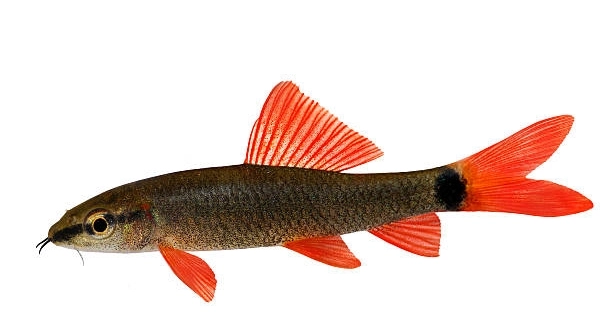
Rainbow sharks are popular freshwater fish known for their striking colors and peaceful nature. Many owners find them fascinating but sometimes worry about their social behavior. Understanding how to manage their loneliness is important for a healthy aquarium environment.
Rainbow sharks are territorial and can become lonely if kept alone or without enough hiding spots. Providing companions, maintaining tank size, and creating proper environments help reduce stress and encourage natural behavior, promoting their well-being.
Learning how to handle loneliness can improve your rainbow shark’s life and keep your tank peaceful. These tips will guide you toward creating a better habitat.
Creating a Comfortable Environment
A calm and well-structured environment is essential to ease rainbow shark loneliness. Start with a spacious tank of at least 30 gallons, as these fish need room to swim and claim their territory. Add plenty of hiding spots using rocks, plants, and decorations. This helps them feel safe and less exposed, which reduces stress. Keep the water clean and maintain stable temperatures between 72°F and 79°F to create a healthy habitat. Light levels should be moderate, avoiding harsh brightness that can make rainbow sharks anxious. Make sure to use a good filtration system to keep the water quality high and oxygen-rich. By paying attention to these environmental factors, you encourage your rainbow shark to be more comfortable and less withdrawn. This also supports their natural behaviors and overall well-being. Keeping a peaceful atmosphere in the tank reduces the chances of aggressive behavior toward other fish, which can happen when they feel threatened or lonely.
A stable and comfortable environment directly impacts your rainbow shark’s behavior and mood. They are more relaxed when their habitat meets their needs, leading to less loneliness.
Setting up your tank thoughtfully takes effort, but it greatly improves your fish’s quality of life. Focus on space, hiding spots, and water conditions to keep your rainbow shark at ease.
Adding Compatible Tank Mates
Introducing compatible tank mates can reduce loneliness in rainbow sharks. Avoid small or slow-moving fish, as rainbow sharks may become territorial or aggressive toward them. Instead, choose species that are peaceful but active enough to keep up with your shark’s energy. Good options include larger tetras, barbs, and certain catfish species that can coexist without stress. Always add new fish gradually to observe any signs of aggression or stress. Make sure the tank is large enough to support all inhabitants comfortably, providing enough space for everyone to establish their own area. Pay attention to the personalities of your fish, as some may tolerate others better than some. When done carefully, having compatible tank mates helps your rainbow shark feel less isolated and more engaged in the tank’s activity.
Adding the right companions requires patience and careful observation to maintain balance. Successful community tanks offer both social interaction and personal space for rainbow sharks.
It is important to remember that rainbow sharks are semi-aggressive and territorial, especially as they mature. Introducing new fish without proper space or compatible species can increase stress and cause fights. Watch their behavior closely during the first weeks. If aggressive behavior becomes persistent, you may need to adjust the number or type of tank mates. Providing enough hiding places for all fish reduces conflicts and encourages peaceful coexistence. Also, feeding all fish adequately prevents competition for food, which can trigger hostility. When tank mates are well chosen and the environment is balanced, rainbow sharks show less loneliness and display healthier social behaviors. This helps maintain a calm and vibrant aquarium where every fish thrives.
Feeding for Mental Stimulation
Offering varied and nutritious food keeps rainbow sharks mentally active. A balanced diet with pellets, flakes, and occasional live or frozen foods encourages natural hunting behavior and reduces boredom.
Providing different food types helps engage your rainbow shark’s senses and instincts. Live or frozen foods like bloodworms or brine shrimp simulate hunting, keeping their mind sharp. Feeding small amounts several times a day mimics their natural foraging habits and prevents overeating. Avoid overfeeding to maintain water quality and fish health. When meals are interesting and frequent enough, rainbow sharks show more activity and less signs of loneliness or stress, helping them thrive in your tank.
Adding treats or changing feeding routines also encourages interaction. Sometimes hiding food around the tank or using feeding tools can challenge your rainbow shark, making feeding time more stimulating and enjoyable.
Maintaining Regular Tank Maintenance
Regular tank maintenance is crucial for rainbow shark health and mood. Consistent cleaning, water changes, and monitoring water parameters prevent stressful conditions and keep fish comfortable.
A weekly 20-30% water change removes toxins and maintains stable water chemistry, essential for your fish’s well-being. Test the water regularly for pH, ammonia, nitrites, and nitrates to ensure safe levels. Remove uneaten food and debris to avoid poor water quality, which can cause stress and illness. Cleaning the filter as recommended maintains proper filtration and oxygen levels. When the tank environment is clean and stable, rainbow sharks feel secure and less prone to loneliness or aggression. Consistent care helps them stay healthy and active, contributing to a peaceful aquarium atmosphere.
Providing Proper Lighting
Proper lighting helps regulate your rainbow shark’s natural behavior. Too much light can cause stress, while too little may reduce activity.
Aim for moderate lighting that mimics a natural day-night cycle. Using a timer can keep lighting consistent and support healthy rhythms.
Avoiding Overcrowding
Overcrowding leads to stress and increased aggression among rainbow sharks. Maintain a proper fish-to-tank ratio to ensure enough space for each fish.
Too many fish in a small tank can cause territorial disputes and loneliness due to constant stress. Keep populations balanced for harmony.
Observing Behavior Regularly
Watch your rainbow shark daily to spot signs of stress or loneliness early. Changes in activity, appetite, or color can indicate issues needing attention.
Timely observation helps prevent problems before they worsen, ensuring your fish stays healthy and comfortable in its environment.
Offering Enrichment Activities
Introducing enrichment like floating plants or moving decorations can stimulate your rainbow shark’s curiosity and reduce boredom. Simple changes can make a big difference.
FAQ
How can I tell if my rainbow shark is lonely?
Loneliness in rainbow sharks often shows through changes in behavior. Your fish may become less active, hide more than usual, or show signs of stress such as faded colors. Some rainbow sharks might become more aggressive or chase other tank mates excessively when feeling isolated. Monitoring these changes is important to ensure their well-being. A lonely rainbow shark can also stop eating or lose interest in its surroundings. Regular observation helps catch these signs early, allowing you to adjust the tank environment or social setup to improve their mood.
Is it okay to keep a rainbow shark alone?
While rainbow sharks can survive alone, they are territorial fish that often do better with tank mates when given enough space and hiding spots. Keeping one alone in a small tank can increase loneliness and stress. However, adding incompatible fish or overcrowding the tank may cause aggression issues. If you choose to keep a single rainbow shark, make sure the tank is large, well-decorated, and regularly maintained to keep the fish mentally stimulated and comfortable.
What tank mates are best for rainbow sharks?
Good tank mates are peaceful, medium to large-sized fish that can tolerate similar water conditions without competing for the same territory. Species like larger tetras, barbs, danios, and certain catfish (like Corydoras) generally coexist well with rainbow sharks. Avoid small, slow, or bottom-dwelling fish that could be bullied or stressed. Introducing compatible fish gradually and ensuring enough space and hiding places will help maintain harmony and reduce loneliness in rainbow sharks.
How often should I feed my rainbow shark?
Feed your rainbow shark small amounts two to three times daily. This routine mimics their natural foraging behavior and keeps them active and interested. A varied diet including sinking pellets, flakes, and occasional live or frozen foods provides balanced nutrition and mental stimulation. Avoid overfeeding, which can harm water quality and fish health. Spread out feedings to keep your rainbow shark engaged and prevent boredom.
What water conditions are best to reduce loneliness in rainbow sharks?
Maintaining clean, stable water with temperatures between 72°F and 79°F, pH around 6.5 to 7.5, and low ammonia and nitrate levels is essential. Good water quality reduces stress and helps rainbow sharks feel secure. Frequent partial water changes and proper filtration keep the environment healthy. Consistent conditions support natural behavior and reduce signs of loneliness or aggression.
Can adding decorations help with loneliness?
Yes, providing plenty of hiding spots like plants, rocks, and caves gives rainbow sharks places to retreat and feel safe. These decorations reduce stress and create a natural habitat that encourages exploration and activity. Changing decorations occasionally can add interest and prevent boredom. Properly arranged hiding places also help reduce territorial conflicts, supporting a calmer tank environment.
What should I do if my rainbow shark becomes aggressive?
If aggression increases, check the tank size and decoration layout to ensure enough space and hiding spots. Reduce overcrowding or remove overly aggressive tank mates. Sometimes separating fish temporarily helps calm tensions. Consistent maintenance and a balanced diet also improve behavior. Observe the fish closely and adjust conditions as needed to reduce stress and promote peace.
Is it normal for rainbow sharks to chase other fish?
Rainbow sharks are semi-aggressive and may chase tank mates to defend their territory, especially during feeding or breeding. Some chasing is normal, but constant harassment can indicate stress or overcrowding. Providing enough space and hiding spots helps minimize chasing. Choosing compatible tank mates also lowers the risk of aggression and loneliness-related behavior.
How important is tank size for reducing loneliness?
Tank size plays a major role in reducing loneliness and aggression. A minimum of 30 gallons is recommended for one rainbow shark, with larger tanks better for multiple fish or community setups. Bigger tanks allow fish to establish territories without constant confrontation, reducing stress and improving social interactions. Proper space also supports healthier physical activity and mental stimulation.
Can I use a mirror to keep my rainbow shark company?
Using a mirror sometimes interests rainbow sharks, but it is not a long-term solution. The fish may see its reflection as a rival and become stressed or aggressive. Mirrors can cause frustration rather than companionship. It’s better to focus on proper tank mates, environment, and enrichment to keep your rainbow shark mentally healthy and less lonely.
Taking care of a rainbow shark’s social needs is important for its health and happiness. These fish are naturally territorial, so they can feel lonely or stressed if their environment is not set up properly. By creating a spacious tank with plenty of hiding spots, you help them feel safe and reduce anxiety. A clean, stable tank with good water quality also supports their well-being and prevents stress-related behavior. When their habitat meets these basic needs, rainbow sharks are more likely to be active and show natural behaviors.
Adding the right tank mates can also help reduce loneliness, but this must be done carefully. Rainbow sharks are semi-aggressive, so choosing peaceful, medium-sized fish that can live in the same water conditions is key. Too many fish or incompatible species can cause fights and make loneliness worse. Watching your fish’s behavior closely after adding new tank mates lets you adjust the setup if needed. Balanced fish populations with enough space and hiding places encourage better social interaction and a more peaceful aquarium.
Feeding and environmental enrichment also play a role in reducing loneliness. Offering a varied diet with occasional live or frozen foods keeps your rainbow shark mentally stimulated and interested. Small, frequent meals that mimic natural feeding habits are best. Changing decorations and adding floating plants or caves provides new places to explore, which can help prevent boredom. Overall, paying attention to these factors creates a healthy and engaging space where your rainbow shark can thrive. With proper care and observation, you can help your fish live a happier and less lonely life.

Hello,
If you enjoy the content that we create, please consider saying a "Thank You!" by leaving a tip.
Every little bit helps us continue crafting quality advice that supports the health, happiness, and well-being of pets around the world, for pets of all shapes, sizes, and species.
We really appreciate the kindness and support that you show us!