
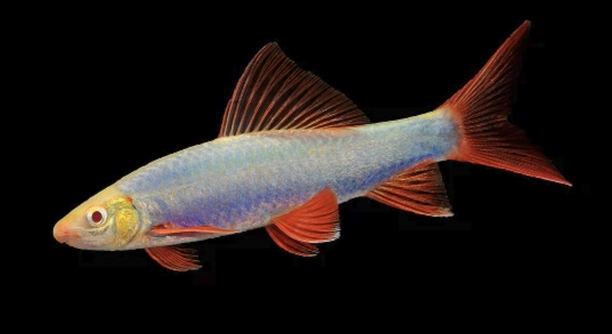
Is your rainbow shark acting a little off or hiding more than usual? Many fish owners face similar challenges with their aquarium pets. Learning how to improve their environment can lead to more engaging and active behavior.
The best way to enhance your rainbow shark’s behavior is by creating a well-structured tank environment with plenty of hiding spots, consistent water quality, and appropriate tank mates. These factors reduce stress and encourage natural behaviors.
From tank layout tips to feeding strategies, this guide will help you create a space where your rainbow shark can feel confident and thrive.
Provide Hiding Spots and Territory
Rainbow sharks are territorial by nature. Giving them enough space to claim their own area helps them feel secure. A tank that’s at least 50 gallons is ideal, especially if you plan to keep other fish. Add caves, driftwood, and plants to break the line of sight and reduce aggression. These hiding places allow the shark to rest and establish boundaries without becoming overly stressed. When their space is respected, they tend to swim more freely and act more naturally. A cluttered or bare tank often leads to hiding, chasing, or nervous behavior. Keep the tank balanced.
Using décor that mimics their natural habitat will keep them active and curious throughout the day.
Make sure the layout creates visual barriers. This lowers the chances of conflict and helps each fish find its place. A calm environment gives your rainbow shark the confidence to explore and interact more often.
Maintain Stable Water Conditions
Rainbow sharks are sensitive to changes in water quality. Sudden shifts can cause them to act withdrawn or overly aggressive.
Keep the temperature between 75–80°F, and maintain a pH level around 6.5–7.5. Weekly water changes, ideally 20–30%, help reduce toxins and keep conditions stable. Use a good filter that supports biological, mechanical, and chemical filtration. Test water parameters regularly to catch any issues early. Even slight increases in ammonia or nitrites can affect their mood and health. Avoid overcrowding the tank, as too many fish can strain the system. Feeding habits can also affect water quality, so don’t overfeed. Uneaten food breaks down and leads to poor conditions. Proper lighting and a regular day-night cycle help maintain their biological rhythms. When the water feels right, your rainbow shark will behave more naturally—exploring, scavenging, and moving confidently around the tank. Clean water is essential to keeping stress low and behavior healthy.
Feed a Balanced and Varied Diet
Rainbow sharks stay active and alert when they get proper nutrition. A diet that includes high-quality sinking pellets, along with frozen or live foods, supports both health and natural behavior. Avoid feeding only flakes.
Pellets should be their main food, but mixing in bloodworms, brine shrimp, or daphnia once or twice a week can make a big difference. This variety encourages hunting instincts and keeps them engaged during feeding. If they seem uninterested or eat too quickly, try smaller portions more often. Overfeeding leads to poor water conditions, which affects their behavior. Feeding them at the same time each day builds routine and reduces anxiety. Keep in mind that rainbow sharks are bottom feeders, so always use food that sinks. Watching how they eat can also give you insight into their mood and health. A good diet is key to making them feel secure and energized.
You might notice your rainbow shark becoming more active and curious when offered different food textures and types. A healthy fish is a more confident one. They often show brighter colors and will interact more naturally with their environment. Avoid feeding only one kind of food every day. Balanced meals keep your shark both physically strong and mentally stimulated.
Choose Compatible Tank Mates
Not every fish gets along with a rainbow shark. Choosing calm, fast-swimming species helps reduce stress and territorial behavior. Avoid other bottom dwellers or fish that look similar.
Tank mates like barbs, danios, or rasboras often work well because they stay out of the shark’s space. Keep only one rainbow shark per tank to prevent fighting. Make sure the tank is large enough so fish can avoid each other when needed. Aggressive or slow-moving fish should be avoided, as they either provoke or get picked on. Always observe how your rainbow shark reacts when new fish are added. Even peaceful fish can become targets if the setup isn’t right. Rearranging tank décor when adding new fish can help reset territories. Giving your shark plenty of personal space helps them stay calm and lowers the chance of chasing or aggression.
Keep Lighting and Noise Levels Low
Bright lights can make rainbow sharks feel exposed and anxious. Use soft lighting and give them shaded areas using plants or décor. Keeping the tank in a quieter area also helps them stay calm and reduces hiding.
Avoid loud noises or tapping on the glass. Sudden movements near the tank can startle your shark and cause stress. A stable, peaceful setting makes them feel safe and brings out more relaxed behavior.
Monitor for Signs of Stress or Illness
Watch for signs like hiding all the time, loss of appetite, faded color, or erratic swimming. These can point to poor water conditions, illness, or stress from other tank mates. Check your water parameters, feeding routine, and overall tank setup if anything seems off. Acting early can prevent more serious problems.
Offer Mental Stimulation
Changing the tank layout every few weeks encourages curiosity. Even small changes like moving a plant or adding a new cave can help keep your rainbow shark mentally active.
How often should I feed my rainbow shark?
Feeding your rainbow shark once or twice a day is usually enough. Give small portions that they can finish within a few minutes to avoid overfeeding. Overfeeding can pollute the tank and cause your fish to become sluggish or sick. It’s better to feed smaller amounts more often than one large meal.
What types of food are best for rainbow sharks?
Rainbow sharks thrive on a diet of sinking pellets designed for bottom feeders. Adding frozen or live foods like bloodworms, brine shrimp, or daphnia once or twice a week will boost their health and keep their natural hunting instincts sharp. Avoid flake food since it floats and may not reach the bottom where they feed.
Can I keep more than one rainbow shark in the same tank?
It’s not recommended to keep multiple rainbow sharks together unless your tank is very large—over 75 gallons. They are territorial and may become aggressive toward each other in smaller spaces. Keeping just one rainbow shark ensures less fighting and stress.
What tank size is best for a rainbow shark?
A minimum tank size of 50 gallons is ideal for a single rainbow shark. This gives enough swimming space and helps reduce territorial disputes. Larger tanks are better if you plan to keep other fish as well. More space lets your shark explore and feel secure.
How do I know if my rainbow shark is stressed?
Signs of stress include hiding for long periods, loss of appetite, faded colors, and erratic swimming. Stress can come from poor water quality, aggressive tank mates, or lack of hiding spots. Monitoring these behaviors regularly helps catch problems early.
What water conditions do rainbow sharks prefer?
They do best in temperatures between 75 and 80°F with a pH around 6.5 to 7.5. Stable water conditions with regular partial water changes help maintain their health and behavior. Use a reliable filter to keep ammonia and nitrite levels at zero.
Can rainbow sharks live with other fish?
Yes, but choose tank mates carefully. Peaceful, fast-swimming fish like barbs, danios, or rasboras usually work well. Avoid other bottom dwellers or slow-moving fish that might get bullied. Always observe interactions when adding new fish to ensure compatibility.
Why does my rainbow shark hide so much?
Hiding is normal when the tank lacks enough shelters or when the fish feels threatened. Adding caves, plants, and decorations gives them places to rest and claim territory. Proper tank mates and stable water conditions also reduce hiding behavior.
How important is tank maintenance for my rainbow shark?
Tank maintenance is crucial. Weekly water changes of 20–30% help keep water clean and free from toxins. Regularly test water parameters like ammonia, nitrites, nitrates, and pH. A clean tank reduces stress and illness, allowing your rainbow shark to behave naturally and stay healthy.
Can lighting affect my rainbow shark’s behavior?
Yes, intense lighting can stress rainbow sharks because they prefer dimmer environments. Use soft lighting and provide shaded areas with plants or decorations. Keeping a regular day-night cycle helps regulate their natural rhythms and promotes calm behavior.
Is it normal for rainbow sharks to chase other fish?
Some chasing is normal because of their territorial nature, but excessive aggression can signal stress or overcrowding. Providing enough space, hiding spots, and compatible tank mates lowers aggressive behavior and helps your rainbow shark coexist peacefully with others.
How do I encourage my rainbow shark to be more active?
Providing a well-decorated tank with plenty of hiding spots, feeding a varied diet, and maintaining clean water encourages activity. Small changes in the tank layout every few weeks also stimulate their curiosity and natural behavior.
What should I do if my rainbow shark shows signs of illness?
If you notice unusual behavior, loss of appetite, or visible symptoms like spots or fin damage, test the water quality first. Poor water conditions often cause illness. Quarantine sick fish if possible and consult a vet or aquarium specialist for proper treatment.
These FAQs cover common concerns and offer practical steps to help your rainbow shark live a healthy, active life. Keeping their environment stable and meeting their needs will make a noticeable difference in their behavior.
Taking good care of your rainbow shark means paying attention to its environment, diet, and companions. These fish need a well-maintained tank with enough space and hiding places to feel comfortable. When their home matches their natural needs, they are less stressed and show more natural behavior. Consistent water quality and temperature also play a big role in keeping your rainbow shark healthy and active. Small changes in tank setup, such as adding caves or plants, can make a big difference in how your fish feels and acts.
Feeding your rainbow shark a balanced and varied diet supports their health and keeps them interested during feeding time. Using sinking pellets as a main food and adding occasional live or frozen treats encourages natural hunting instincts. Overfeeding or poor food choices can harm your fish and pollute the tank, leading to behavior changes and illness. Watching how your rainbow shark eats and moves can give clues about their well-being. Making sure they get enough food without overdoing it helps maintain both water quality and the fish’s energy levels.
Choosing the right tank mates and maintaining a peaceful environment is also important for your rainbow shark’s behavior. These fish are territorial and prefer calm companions that don’t compete for the same space or food. Avoid overcrowding and aggressive species to reduce stress and fighting. Keep the tank in a quiet spot with soft lighting to make your rainbow shark feel safe. Paying attention to these details will help your fish thrive, showing more active, natural, and confident behavior over time. Proper care and attention lead to a happier, healthier rainbow shark that will be enjoyable to watch.

Hello,
If you enjoy the content that we create, please consider saying a "Thank You!" by leaving a tip.
Every little bit helps us continue crafting quality advice that supports the health, happiness, and well-being of pets around the world, for pets of all shapes, sizes, and species.
We really appreciate the kindness and support that you show us!