
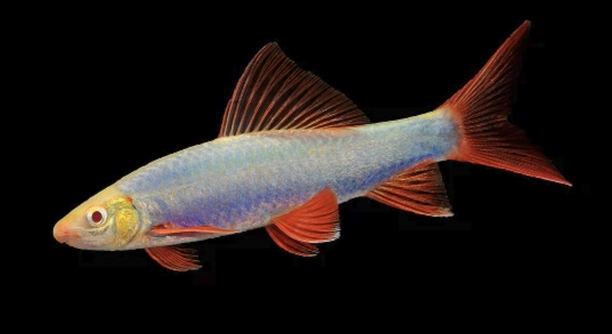
Rainbow sharks are popular aquarium fish known for their striking colors and active behavior. Many fishkeepers enjoy keeping them, but breeding rainbow sharks can be quite challenging in home tanks. Understanding the difficulties helps in providing better care.
Rainbow sharks often do not breed due to stress, improper tank conditions, lack of suitable mates, or insufficient water quality. These factors interfere with their natural breeding instincts and can prevent successful spawning and fry survival in captivity.
Identifying these issues is important for anyone hoping to breed rainbow sharks successfully and maintain a healthy aquatic environment for them.
Stress and Its Impact on Breeding
Stress is a major factor preventing rainbow sharks from breeding in home aquariums. These fish are naturally shy and territorial, and overcrowded or noisy tanks increase their stress levels. When stressed, their bodies focus on survival rather than reproduction. Stress can also weaken their immune system, making them more susceptible to disease. Sudden changes in water temperature, poor water quality, or incompatible tank mates further add to their discomfort. Keeping rainbow sharks in a calm, stable environment helps reduce stress and encourages natural behaviors, including breeding. Monitoring tank conditions and minimizing disturbances are key steps for anyone looking to breed these fish.
Stress disrupts hormone levels necessary for spawning. Without the right hormonal balance, breeding is unlikely to occur.
Maintaining a quiet and stable tank with plenty of hiding spots can help reduce stress. Using proper filtration, avoiding sudden water changes, and limiting aggressive tank mates create an ideal space. Regularly testing water parameters ensures the environment stays within safe ranges. Observing fish behavior for signs of stress allows timely adjustments. These steps not only improve their well-being but also increase the chances of successful breeding.
Tank Conditions Must Support Breeding
Proper tank conditions are essential for rainbow sharks to breed. Water temperature should be kept between 77°F and 82°F to simulate their natural habitat. The tank should be large enough, ideally over 50 gallons, to provide space for territories. Substrate, plants, and caves give them places to hide and lay eggs safely. pH levels must be stable, between 6.5 and 7.5. Poor water quality, such as high ammonia or nitrite levels, prevents spawning. A well-maintained filter and regular water changes help keep the environment healthy. Bright lighting can stress them, so moderate lighting is preferred. Attention to these details ensures the fish feel comfortable enough to reproduce.
A tank that mimics natural conditions encourages rainbow sharks to display their breeding behavior.
Ensuring clean, well-oxygenated water is fundamental for breeding success. Gradually increasing the temperature by a degree or two may trigger spawning. Providing separate spaces for males and females can reduce aggression and stress. Creating a peaceful environment with adequate hiding spots helps the fish feel secure. Using a gentle current simulates natural streams where they breed. Avoid overcrowding to prevent territorial disputes. These measures combine to form a supportive breeding environment that meets the biological needs of rainbow sharks.
Would you like me to continue with the next sections?
Lack of Suitable Mates
Rainbow sharks require compatible mates to breed successfully. Without a balanced mix of males and females, breeding won’t occur. It’s important to identify the sex of your fish to ensure pairing is possible.
Male and female rainbow sharks look similar but show subtle differences. Males tend to have longer dorsal fins and are slightly more colorful. Having at least one male and one female increases the chance of spawning. However, aggressive behavior between males can prevent breeding if space is limited. Keeping one male with several females often reduces conflict. Avoid keeping multiple males in a small tank to prevent fights.
Even with suitable mates, rainbow sharks need time to become comfortable with each other. Sudden introductions can increase stress and delay breeding. Gradual introduction and observing behavior can improve their compatibility. Separating overly aggressive fish may be necessary. Providing plenty of hiding spots helps reduce conflict and encourages breeding activities.
Insufficient Water Quality
Water quality directly affects the health and breeding readiness of rainbow sharks. Poor water parameters can prevent spawning and harm fish health. Maintaining clean, stable water is essential for breeding success.
High levels of ammonia, nitrites, or nitrates create a toxic environment that stresses fish and inhibits reproductive functions. Regular water testing and partial water changes help maintain safe levels. Keeping pH between 6.5 and 7.5 is crucial, as extreme pH values negatively impact egg development. Temperature consistency also plays a role in successful breeding. Avoiding sudden shifts prevents stress. Proper filtration and aeration improve water oxygenation and clarity.
Routine maintenance, including gravel cleaning and removing uneaten food, prevents harmful buildup. Using water conditioners helps remove chlorine and other chemicals from tap water. Investing in quality filtration and monitoring systems ensures a healthy environment. Clean water supports natural behaviors and increases the chance that rainbow sharks will spawn and raise healthy fry.
Inadequate Diet
A balanced diet is essential for rainbow sharks to breed. Without proper nutrition, they lack the energy and health needed for spawning. Feeding a mix of high-quality pellets, live foods, and vegetables supports their reproductive system.
Protein-rich foods like bloodworms and brine shrimp boost breeding readiness. Variety ensures they get all necessary vitamins and minerals.
Age and Maturity
Rainbow sharks need to reach sexual maturity before breeding, usually around 1 to 2 years of age. Younger fish are unlikely to spawn, so patience is necessary when keeping juveniles.
Keeping track of age and growth helps determine when breeding attempts might succeed. Premature breeding efforts often fail.
Tank Size Limitations
Small tanks limit the space rainbow sharks need for establishing territories. A tank smaller than 50 gallons can increase aggression and stress, preventing breeding.
Providing enough room reduces conflict and encourages natural behaviors needed for spawning.
Lack of Breeding Triggers
Environmental cues like temperature changes and seasonal shifts trigger spawning. Without these signals, rainbow sharks may not breed. Mimicking natural conditions increases chances of reproduction.
FAQ
Why are my rainbow sharks not breeding?
Rainbow sharks often do not breed because of stress, poor water quality, lack of suitable mates, or improper tank conditions. Stress from overcrowding or aggressive tank mates can suppress breeding behavior. Additionally, if water parameters such as temperature, pH, or cleanliness are not ideal, spawning will likely not occur. The absence of natural breeding triggers like seasonal temperature shifts can also prevent reproduction. Ensuring the right environment and social setup is key to encouraging breeding.
How can I tell if I have male and female rainbow sharks?
Sexing rainbow sharks can be tricky as males and females look very similar. Males usually have longer and more pointed dorsal fins, while females tend to have shorter, rounder fins. Sometimes, females appear slightly larger when fully mature. Observing behavior can also help; males often show more territorial aggression. For breeding purposes, having a clear understanding of sex ratios is important to prevent conflicts and increase spawning chances.
What tank size is best for breeding rainbow sharks?
A tank of at least 50 gallons is recommended for breeding rainbow sharks. This size provides enough space for territory establishment and reduces aggressive interactions. Smaller tanks cause stress and conflict, which interfere with breeding. A larger tank with plenty of hiding spots creates a more natural environment that supports spawning and fry survival.
What water conditions do rainbow sharks need to breed?
Ideal water conditions include a temperature between 77°F and 82°F, a pH level from 6.5 to 7.5, and low ammonia, nitrite, and nitrate levels. Water should be clean, well-filtered, and oxygenated. Stable parameters encourage natural breeding behavior and healthy egg development. Regular water changes and testing help maintain these conditions.
Can diet affect breeding success?
Yes, diet plays an important role in breeding success. Rainbow sharks need a balanced diet rich in protein, vitamins, and minerals. Feeding a variety of foods such as pellets, live or frozen bloodworms, brine shrimp, and vegetables supports their health and reproductive systems. Poor nutrition weakens their ability to spawn and care for eggs.
How long does it take for rainbow sharks to spawn once conditions are right?
Once the tank conditions and social environment are suitable, rainbow sharks may spawn within a few weeks to a couple of months. The exact time depends on their maturity, comfort level, and environmental cues. Patience is important, as rushing changes or disturbing the fish can delay spawning.
What can I do to reduce stress in my rainbow sharks?
To reduce stress, avoid overcrowding and aggressive tank mates. Provide plenty of hiding places such as caves, plants, or decorations. Maintain stable water parameters and avoid sudden changes in temperature or lighting. Keeping the tank environment calm and quiet helps rainbow sharks feel secure, which supports breeding behavior.
How can I encourage natural breeding triggers?
Mimic seasonal changes by gradually adjusting water temperature, lighting duration, and feeding routines. Increasing the temperature slightly in springtime and simulating daylight length can trigger spawning. Consistency and patience with these changes help replicate their natural environment.
What signs show that rainbow sharks are ready to breed?
Signs include increased activity, males displaying territorial behavior, chasing females, and changes in coloration. Females may appear fuller when carrying eggs. Spawning usually occurs near flat surfaces or caves where eggs can be laid.
What should I do after eggs are laid?
Remove adult fish to prevent them from eating the eggs. Maintain water quality with gentle filtration and stable parameters. Avoid disturbing the eggs and monitor them for fungus or other issues. If needed, add antifungal treatments safe for fish eggs.
How can I care for rainbow shark fry?
Feed newly hatched fry with infusoria or specialized fry food before gradually introducing crushed flakes or baby brine shrimp. Keep the water clean and provide gentle aeration. Fry are sensitive, so stable tank conditions and regular feeding are crucial for their growth and survival.
Can rainbow sharks breed without a partner?
No, rainbow sharks require both a male and female to reproduce. They do not breed asexually, so keeping only one sex means no spawning will occur.
Is it normal for rainbow sharks to be aggressive during breeding?
Yes, males often become territorial and aggressive when preparing to breed. Providing enough space and hiding spots reduces conflicts. Separating overly aggressive fish may be necessary to protect weaker individuals.
What common mistakes prevent rainbow shark breeding?
Common mistakes include overcrowding, poor water quality, incorrect tank size, lack of hiding spaces, and improper diet. Rushing the breeding process without patience or mimicking natural conditions also causes failure.
How often can rainbow sharks spawn?
In optimal conditions, rainbow sharks can spawn multiple times a year, typically every few months. However, overbreeding can stress fish, so allow recovery time between spawnings.
Are there any special requirements for breeding equipment?
A good filtration system, stable heater, and reliable water testing kits are essential. Using breeding traps or separate tanks for eggs and fry improves survival rates. Lighting should be adjustable to simulate natural cycles.
If you need further details about any aspect of rainbow shark breeding, feel free to ask.
Breeding rainbow sharks in a home aquarium can be a rewarding experience but also a challenging one. These fish have specific needs that must be met to encourage successful spawning. Stress, tank conditions, water quality, and proper diet all play important roles in their ability to reproduce. Ensuring that each factor is carefully managed creates an environment where rainbow sharks can feel secure and display their natural behaviors. While it may take patience and attention to detail, the effort can lead to a thriving aquarium with healthy, vibrant fish.
It is important to remember that rainbow sharks are territorial and sometimes aggressive, especially during breeding periods. Providing enough space and hiding spots helps reduce conflict among tank mates. Having the right balance of males and females also makes a difference, as overcrowding or too many males can cause stress and fights. Consistent water conditions with proper filtration and regular maintenance are necessary to keep the environment healthy. These steps help prevent common problems that stop breeding attempts from succeeding.
Breeding rainbow sharks takes time and care, and results are not always immediate. Observing your fish regularly, maintaining stable tank conditions, and offering a nutritious diet are essential practices. Understanding their natural habits and mimicking their environment will improve the chances of successful spawning. With patience and proper care, it is possible to encourage rainbow sharks to breed and raise healthy fry, adding a rewarding dimension to your aquarium experience.

Hello,
If you enjoy the content that we create, please consider saying a "Thank You!" by leaving a tip.
Every little bit helps us continue crafting quality advice that supports the health, happiness, and well-being of pets around the world, for pets of all shapes, sizes, and species.
We really appreciate the kindness and support that you show us!