
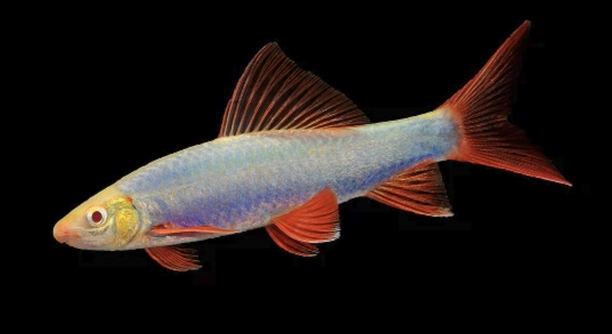
Rainbow sharks are popular freshwater fish known for their striking colors and active nature. Many owners enjoy watching them swim, but sometimes these fish outgrow their tanks. Recognizing when they need more space is important for their health and well-being.
A rainbow shark requires a bigger tank when it shows signs such as increased aggression, frequent hiding, stunted growth, or swimming difficulties. These symptoms indicate the current environment is insufficient for its size and activity needs, necessitating a larger habitat.
Knowing these signs helps maintain your fish’s comfort and promotes a healthier living environment. This article outlines key indicators that your rainbow shark may need more room to thrive.
Signs of Aggression and Territorial Behavior
Rainbow sharks can become aggressive when they feel cramped. If you notice your fish chasing others, nipping fins, or acting restless, this could be a sign it needs more space. Aggression usually increases as the tank size becomes too small for their active swimming style. Providing a larger tank reduces stress and helps maintain harmony among tank mates. Observing your fish’s behavior closely will help you catch early signs of territorial disputes. These signs indicate the tank is no longer adequate for its needs.
Aggressive behavior often worsens without enough space, affecting other fish’s health and well-being.
Increasing tank size improves swimming freedom, reduces aggression, and promotes a calmer environment. A bigger tank allows your rainbow shark to establish a territory without constant conflict. This change benefits all inhabitants, creating a more balanced ecosystem where your fish can thrive peacefully.
Signs of Stunted Growth and Physical Changes
A rainbow shark confined to a small tank often shows slow or stunted growth. When there isn’t enough room to swim freely, the fish’s development can be limited. The size of the tank directly influences how healthy and active the fish remains. Physical changes such as dull colors or weight loss might also be indicators of an unsuitable environment. These signs reflect the stress caused by inadequate space.
Tank size restrictions limit oxygen levels and water quality, which further affect growth.
Regular water testing can help identify problems caused by overcrowding. A larger tank offers better filtration and more stable water conditions, which support growth and vibrant colors. By upgrading the tank size, you improve both the physical health and energy levels of your rainbow shark. It will have room to swim comfortably, encouraging natural behaviors and stronger immune function. Ensuring ample space is a simple but effective way to prevent growth issues and maintain your fish’s vitality.
Increased Hiding and Restlessness
When a rainbow shark spends more time hiding or seems restless, it often means the tank is too small. Lack of space can cause anxiety, making the fish seek shelter or swim erratically.
A small tank limits the fish’s ability to explore and establish a comfortable territory. Restlessness can lead to constant swimming without a clear pattern, or darting quickly around the tank. Increased hiding spots may be a sign the fish feels insecure or threatened due to overcrowding. These behaviors indicate stress, which can affect the fish’s overall health and lifespan.
Expanding the tank size gives your rainbow shark more freedom and reduces stress. With more room to swim and fewer conflicts over territory, your fish will likely be more active and display normal behavior. Providing hiding places remains important, but a larger tank helps the fish feel secure without excessive hiding.
Difficulty Swimming and Lethargy
Difficulty swimming or appearing lethargic are clear signs of an unsuitable environment. In a cramped tank, your rainbow shark’s movements may become slow or uncoordinated.
Poor water quality, low oxygen levels, and limited swimming space all contribute to these symptoms. The fish may struggle to swim against water currents or avoid obstacles. Over time, this can lead to muscle weakness and reduced activity. Lethargy may also be a response to stress caused by competition for space or inadequate living conditions.
A larger tank improves water circulation and provides enough room for natural swimming patterns. This promotes better muscle tone and energy levels. Ensuring adequate space helps prevent fatigue and supports your fish’s physical and mental well-being, allowing it to live a healthier, more active life.
Changes in Appetite
A decrease in appetite can signal stress or discomfort caused by a cramped tank. Your rainbow shark may eat less or refuse food altogether when it feels confined.
Reduced feeding is often linked to poor water conditions or stress from lack of space. Monitoring feeding habits is important to catch early signs of tank size issues.
Overcrowding Effects on Water Quality
Overcrowding causes waste buildup, which lowers water quality and raises toxin levels. Poor water conditions affect your rainbow shark’s health and can lead to illness or death. Filtration systems in small tanks struggle to keep the water clean when there are large or multiple fish.
Regular water changes and testing are necessary but not always enough to maintain safe conditions. A larger tank dilutes waste, stabilizes water parameters, and creates a healthier environment. Ensuring ample space reduces the risk of disease and supports your fish’s longevity.
Frequent Tank Cleaning
Frequent tank cleaning is often needed when the tank is too small. Waste accumulates faster, making maintenance more demanding.
How large should my tank be for a rainbow shark?
A rainbow shark needs plenty of space to swim comfortably. A minimum tank size of 50 gallons is recommended for one adult rainbow shark. This size allows enough room for activity and helps reduce territorial behavior. Larger tanks are always better, especially if you plan to keep other fish alongside. Providing more space helps maintain water quality and reduces stress, which supports the overall health of your fish. Keeping the tank clean and well-maintained is easier with a bigger volume of water.
How often should I upgrade my rainbow shark’s tank?
Tank upgrades depend on the fish’s growth and behavior. Typically, young rainbow sharks grow quickly and may need a bigger tank within the first year. Watch for signs such as aggression, stunted growth, or hiding. When these appear, it’s time to consider moving to a larger tank. Upgrading before problems start helps avoid stress and health issues. Planning for growth from the beginning can save trouble later.
Can I keep multiple rainbow sharks together?
Rainbow sharks are territorial and can become aggressive toward each other, especially in small tanks. Keeping multiple rainbow sharks requires a large tank of at least 75 gallons or more. Providing plenty of hiding spaces and visual barriers can help reduce conflicts. However, even in large tanks, aggression can occur. It’s often better to keep only one rainbow shark unless the tank size is very spacious.
What signs show my rainbow shark is stressed?
Stress signs include hiding more than usual, reduced appetite, erratic swimming, faded colors, and increased aggression. Stress often comes from poor water quality, overcrowding, or inadequate tank size. Monitoring behavior and water conditions regularly is important. Reducing stress by improving tank conditions helps prevent illness.
How does tank size affect water quality?
Smaller tanks accumulate waste faster, which leads to higher toxin levels like ammonia and nitrites. This can harm your fish’s health. Larger tanks dilute waste better, stabilize temperature and oxygen levels, and provide a more stable environment. A bigger tank also supports more efficient filtration systems, making water maintenance easier.
What tank setup is best for a rainbow shark?
Rainbow sharks need a tank with plenty of swimming space and hiding spots. Use smooth gravel or sand substrate to avoid injury. Include decorations like caves, driftwood, and plants to create territories and reduce stress. Keep lighting moderate, as too bright light can make them shy. Regular water changes and good filtration are essential.
How often should I clean a rainbow shark tank?
Cleaning frequency depends on tank size and number of fish. In smaller tanks, cleaning may be required weekly or twice a week to maintain water quality. Larger tanks need less frequent cleaning but still require regular water changes and substrate vacuuming. Avoid cleaning the entire tank at once to preserve beneficial bacteria.
What are common health problems related to small tanks?
Small tanks can lead to stress-related illnesses, such as fin rot, fungal infections, and swim bladder issues. Poor water quality weakens the immune system, making fish more vulnerable to disease. Ensuring enough space and stable water parameters reduces the risk of health problems.
Can a rainbow shark live in a tank smaller than 50 gallons?
While it is possible, it is not ideal. Smaller tanks restrict movement and cause rapid water quality deterioration. This can lead to stress and shorter lifespan. Providing at least 50 gallons is recommended to support natural behavior and health. If space is limited, consider a smaller fish species instead.
How do I transition my rainbow shark to a bigger tank?
When upgrading, prepare the new tank fully before moving the fish. Make sure water parameters match the old tank to reduce shock. Slowly acclimate the fish by floating the bag in the new tank water for about 20 minutes. Then gently release the fish. Monitor behavior closely after transfer to catch any signs of stress.
When caring for a rainbow shark, providing enough space is essential for its well-being. These fish need room to swim freely and establish their territory without feeling crowded. A tank that is too small can cause stress, aggression, and health problems. Paying attention to signs such as increased hiding, changes in appetite, and restlessness helps you know when it is time to upgrade the tank. Meeting these needs promotes a healthier, happier fish.
Choosing the right tank size from the beginning makes a big difference in your fish’s life. While a minimum of 50 gallons is recommended for one adult rainbow shark, larger tanks provide even better conditions. More space means better water quality and less frequent cleaning. It also reduces territorial disputes and allows your fish to show natural behaviors. Investing in a bigger tank helps avoid many common issues caused by overcrowding and poor environment.
Upgrading a tank might seem like a big task, but it is important for the long-term care of your rainbow shark. Taking the time to prepare the new tank properly and gradually moving your fish helps reduce stress. After the move, continue monitoring the fish’s behavior and water conditions closely. Providing a spacious and clean environment supports your rainbow shark’s growth, health, and overall quality of life. This simple step is key to responsible fishkeeping and ensures your pet thrives.

Hello,
If you enjoy the content that we create, please consider saying a "Thank You!" by leaving a tip.
Every little bit helps us continue crafting quality advice that supports the health, happiness, and well-being of pets around the world, for pets of all shapes, sizes, and species.
We really appreciate the kindness and support that you show us!