
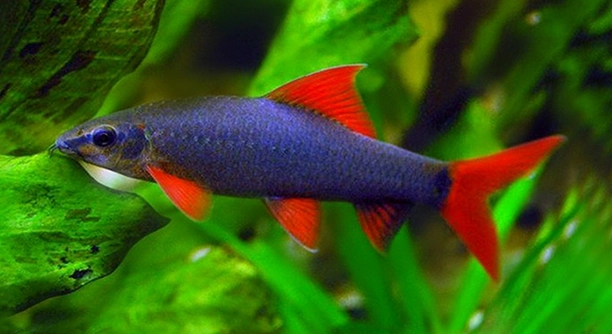
Rainbow sharks are popular freshwater fish known for their peaceful nature and striking appearance. Many fishkeepers enjoy having them in their aquariums. However, certain conditions can cause stress to these sensitive creatures and affect their well-being.
Rainbow sharks experience stress due to factors such as poor water quality, inadequate tank size, aggressive tank mates, improper diet, sudden changes in environment, overcrowding, and insufficient hiding spaces. Managing these issues is essential to maintain their health and reduce stress levels.
Recognizing and preventing these stressors can help your rainbow shark thrive and stay healthy in its aquatic home. This article outlines common causes and practical ways to protect your fish’s well-being.
Poor Water Quality
Poor water quality is one of the biggest stress factors for rainbow sharks. These fish need clean, well-filtered water with stable parameters. High levels of ammonia, nitrites, or nitrates can harm them quickly. Changes in pH or temperature that happen too fast can also cause stress. Regular water testing and partial water changes are essential. Avoid overfeeding because leftover food can decay and pollute the tank. Using a good filtration system helps keep the water clear and safe. If you notice your fish acting lethargic or gasping at the surface, water quality is likely the issue. Maintaining proper water conditions creates a healthy environment for your rainbow shark to thrive.
Checking water quality weekly is a good practice. This keeps your fish comfortable and lowers stress risks.
Keeping the tank clean and stable helps prevent disease and supports your rainbow shark’s natural behavior. Consistent maintenance is the key to a peaceful and stress-free fish tank.
Inadequate Tank Size
A small tank limits space for swimming and exploring. Rainbow sharks are active fish that need room to move freely. Keeping them in a tank smaller than 30 gallons can cause frustration and stress. They may become aggressive or hide more often if cramped. Larger tanks allow better water stability and reduce waste buildup. Providing enough space helps your fish show natural behaviors and remain healthy. If the tank feels crowded, consider upgrading to a bigger one or reduce the number of tank mates. Proper tank size improves both water quality and fish comfort.
A minimum of 30 gallons is recommended for one rainbow shark.
Giving your fish enough room supports its activity levels and reduces aggression. A spacious environment encourages well-being and prevents stress from confinement.
Aggressive Tank Mates
Aggressive tank mates stress rainbow sharks. These fish prefer peaceful companions. Aggression can lead to injuries and constant hiding.
Rainbow sharks are territorial, especially as they mature. Placing them with fin-nipping or overly active fish causes stress and harm. Suitable tank mates include calm species like tetras or peaceful catfish. Avoid fish that chase or nip fins to maintain a stable environment. Monitoring behavior regularly helps catch early signs of aggression and prevent injuries.
If aggression occurs, separating the fish or rearranging decorations to create hiding spots can help. A peaceful community tank reduces stress and promotes natural behavior in your rainbow shark.
Improper Diet
A poor diet weakens rainbow sharks and increases stress. They need a balanced mix of protein and plant-based foods.
Rainbow sharks are omnivores, so their diet should include high-quality pellets, frozen or live foods like bloodworms, and occasional vegetables such as peas or zucchini. Feeding too little or too much affects their health. Overfeeding pollutes the water and can cause obesity, while underfeeding leads to malnutrition and low energy. Consistent feeding times and varied food improve digestion and support immune function.
Providing a proper diet not only helps maintain vibrant colors but also supports growth and overall health. A well-fed rainbow shark is less prone to disease and stress.
Sudden Changes in Environment
Rainbow sharks are sensitive to sudden changes. Moving them quickly or changing tank conditions can cause stress.
It’s important to introduce changes slowly. Gradual adjustments help your fish adapt without shock or fear.
Overcrowding
Too many fish in one tank increase competition for space and resources. Overcrowding stresses rainbow sharks.
Crowded tanks also lower water quality faster, making it harder to maintain a healthy environment. Keeping an appropriate number of fish per tank size is key to reducing stress.
Insufficient Hiding Spaces
Rainbow sharks need places to hide to feel safe. Without enough cover, they become stressed and anxious.
Providing plants, caves, or decorations gives them shelter and helps reduce stress. A well-decorated tank creates a comfortable home for your fish.
How can I tell if my rainbow shark is stressed?
Signs of stress in rainbow sharks include erratic swimming, hiding more than usual, loss of appetite, and faded colors. They may also scrape against tank surfaces or show signs of illness. Monitoring their behavior regularly helps catch stress early before it worsens. If you notice these symptoms, check tank conditions immediately.
What water parameters are best for rainbow sharks?
Rainbow sharks thrive in water with a temperature between 72°F and 79°F (22°C to 26°C). The pH should stay between 6.5 and 7.5, with low ammonia, nitrite, and nitrate levels. Maintaining stable water parameters with regular testing and water changes ensures your fish remains healthy and stress-free.
Can rainbow sharks live with other fish?
Yes, but tank mates must be peaceful and non-aggressive. Ideal companions include tetras, rasboras, and peaceful catfish. Avoid fin-nipping or overly active species that may harass your rainbow shark. Also, make sure the tank is large enough to prevent territorial disputes.
How often should I feed my rainbow shark?
Feed your rainbow shark once or twice daily, giving only as much food as they can eat in a few minutes. Overfeeding causes water pollution and health problems, while underfeeding weakens them. A varied diet including pellets, frozen or live foods, and vegetables keeps them balanced.
What should I do if my rainbow shark shows aggression?
Aggression can happen if the tank is overcrowded or lacks hiding spaces. Try rearranging the tank decorations to create more territories. If problems persist, separate the aggressive fish to avoid injury. Proper tank size and peaceful tank mates reduce aggression overall.
Why is tank size important for rainbow sharks?
Rainbow sharks need at least a 30-gallon tank because they are active swimmers and territorial. Small tanks cause stress from cramped space and poor water quality. Larger tanks provide room to swim, reduce aggression, and help keep water parameters stable.
How do I maintain good water quality for my rainbow shark?
Regular water testing and weekly partial water changes are essential. Use a reliable filter to remove waste and keep the water clear. Avoid overfeeding and remove uneaten food promptly. Keeping the tank clean and stable prevents stress and disease.
What types of hiding spots work best?
Plants, caves, and driftwood provide excellent hiding places. Live or artificial plants give cover and reduce stress. Caves or hollow decorations create safe spaces for your fish to retreat. Make sure hiding spots are spread around the tank to avoid competition.
Can stress affect my rainbow shark’s health?
Yes, stress weakens the immune system and makes fish more vulnerable to disease. It can cause color fading, weight loss, and abnormal behavior. Preventing stress by maintaining good conditions is crucial for long-term health and vitality.
How do I introduce new fish to a tank with a rainbow shark?
Quarantine new fish before adding them to prevent disease. Introduce them slowly and monitor interactions closely. Rearranging tank decorations before adding new fish can reduce territorial aggression. Make sure the tank size supports all inhabitants comfortably.
Taking care of a rainbow shark means understanding what causes stress and how to prevent it. These fish are sensitive and need a stable environment to stay healthy. Keeping the water clean, providing enough space, and choosing the right tank mates are important steps. When these needs are met, rainbow sharks can live happily and show their natural colors and behaviors. Ignoring these factors can lead to stress, which harms their health and shortens their lifespan.
Regular tank maintenance plays a big role in reducing stress. Testing water quality often and doing partial water changes keeps the environment safe. Overfeeding and overcrowding should be avoided, as they cause poor water conditions and aggression. Giving your rainbow shark hiding spots helps it feel secure, which lowers anxiety. Feeding a balanced diet supports their energy and immune system. Paying attention to these simple but important details will make a big difference in your fish’s well-being.
Watching your rainbow shark closely will help you spot stress early. Changes in behavior or appearance often show when something is wrong. Taking action quickly can prevent illness or injury. If you keep the tank stable and peaceful, your fish will be less stressed and more active. Overall, the best way to care for a rainbow shark is to create a calm, clean, and spacious home where it can thrive. This care ensures your fish stays healthy and enjoyable for years.

Hello,
If you enjoy the content that we create, please consider saying a "Thank You!" by leaving a tip.
Every little bit helps us continue crafting quality advice that supports the health, happiness, and well-being of pets around the world, for pets of all shapes, sizes, and species.
We really appreciate the kindness and support that you show us!