
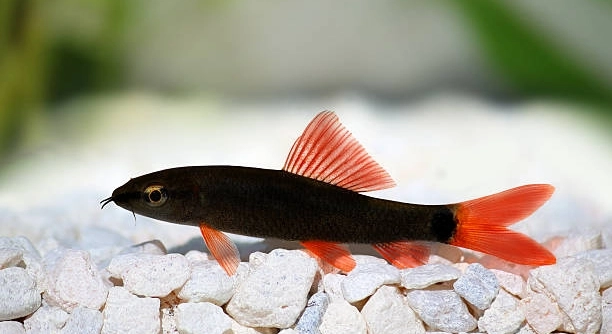
Rainbow sharks are popular freshwater fish known for their striking appearance and active behavior. However, they can develop a common health issue called tail rot, which affects the fins and overall well-being of the fish. Understanding how to treat this condition is important for keeping them healthy and vibrant.
Tail rot in rainbow sharks is a bacterial infection that causes the fins to decay and discolor. Proper treatment includes improving water quality, using antibacterial medications, and maintaining a clean tank environment. Prompt action prevents further damage and supports recovery.
Learning effective solutions for tail rot helps protect your rainbow shark from long-term harm. This guide provides practical steps to restore your fish’s health and maintain a thriving aquarium.
Understanding the Causes of Rainbow Shark Tail Rot
Tail rot in rainbow sharks usually starts because of poor water conditions. Dirty water, high ammonia, and stress weaken the fish’s immune system. When the tank is not properly cleaned, bacteria can grow and infect the fins. Another cause is injury from sharp decorations or aggressive tank mates. These small wounds can easily become infected if the water quality is low. It is important to monitor water parameters regularly to avoid these problems. Maintaining stable temperature and avoiding sudden changes also help reduce stress. Sometimes overcrowding increases the chance of tail rot because fish compete for space and resources. Keeping the tank clean and balanced prevents the environment where bacteria thrive. Proper nutrition strengthens the fish’s resistance, so a healthy diet plays a role in prevention too.
Keeping the tank clean and stable helps reduce the risk of tail rot. Regular water testing and maintenance are essential.
Treating tail rot starts with identifying and fixing the water quality issues. This creates a healthier environment where your rainbow shark can recover. Removing harmful bacteria and improving tank conditions support healing. Avoiding overcrowding and sharp objects reduces injuries and infections. Feeding a balanced diet helps the fish stay strong. If damage is severe, antibacterial medications are useful. Monitoring the fish daily ensures timely response if symptoms return or worsen. Taking these steps together improves recovery chances and prevents future infections.
Common Treatments for Rainbow Shark Tail Rot
Medications such as antibiotics are often required to treat tail rot effectively. These should be used according to instructions to avoid resistance or harm to the fish. In many cases, isolating the infected fish helps prevent spread. Along with treatment, improving water quality is critical. Regular water changes and filter cleaning reduce bacteria. Salt baths or additives can help soothe the fish and kill pathogens. Observation is key to adjusting treatment if needed. Tail rot can heal fully if addressed early and properly. Consistency in care ensures the best outcome.
Using antibiotics and maintaining clean water are key to curing tail rot. Treatment must be thorough and consistent for success.
Antibacterial medications like Maracyn or Kanamycin target the bacteria causing tail rot. These drugs work best when combined with optimal tank conditions. Salt treatments reduce swelling and kill bacteria on the fins. Isolation tanks reduce stress and stop infections from spreading. Changing water frequently lowers toxins that worsen infections. Removing sharp decorations prevents new wounds. Feeding high-quality food boosts the immune system, helping the fish fight illness. Monitoring healing progress ensures the treatment is effective. Adjusting care quickly if symptoms persist or worsen improves recovery chances. Tail rot can take days or weeks to heal, so patience is important. Combining medication with good husbandry practices is the most reliable method to restore your rainbow shark’s health.
Preventing Tail Rot in Rainbow Sharks
Maintaining clean water is the best prevention for tail rot. Regular water changes and filter maintenance keep bacteria levels low. Avoid overcrowding to reduce stress and injuries.
Consistent tank cleaning removes waste that breeds harmful bacteria. Testing water parameters like ammonia, nitrite, and nitrate helps maintain safe levels. Using a quality filtration system ensures proper water circulation and clarity. Avoid sudden changes in temperature or pH, as stress weakens the fish’s immune system. Providing plenty of hiding spots reduces aggression from tank mates, which can cause wounds. Feeding a balanced diet rich in vitamins supports overall fish health. Prevention focuses on stable, clean environments that limit infection chances.
Tail rot often occurs when the tank is neglected or overcrowded. Proper care reduces infection risk and keeps rainbow sharks healthy. Watch for signs of stress or injury and address problems early. Regular maintenance is key to prevention.
Monitoring and Early Detection
Regular observation of your rainbow shark helps catch tail rot early. Look for signs like frayed or discolored fins and unusual behavior. Early treatment improves recovery chances.
Daily checks let you notice subtle changes in fin condition or swimming patterns. Fish with tail rot may hide more or swim less actively. Early signs include small white edges or ragged fin tips. Quick response limits damage and stops infection from spreading. Keeping a close eye also helps spot water quality problems before they worsen. Use a log to track any symptoms and water test results. Early detection combined with proper treatment gives your rainbow shark the best chance to heal fully. Consistent monitoring should be part of your regular aquarium care routine.
Tank Environment Adjustments
Improving the tank environment reduces tail rot risks significantly. Avoid sharp decorations that can injure fins. Choose smooth or rounded ornaments instead to protect delicate tails.
Adjusting tank size also matters. A larger tank offers more space and reduces stress. Overcrowding increases aggression and injuries, which can lead to infections like tail rot.
Water Quality Maintenance
Regular water changes are essential for a healthy tank. Changing 20-30% of the water weekly removes waste and lowers harmful bacteria. Using a reliable water conditioner ensures toxins like chlorine are neutralized. Proper filtration and aeration keep oxygen levels high and support beneficial bacteria that break down harmful substances. Testing water parameters frequently helps detect early imbalances that could stress fish. Clean water slows bacterial growth and creates an environment where your rainbow shark can recover and stay healthy.
Feeding for Health
Feeding a balanced diet supports immune function and fin regeneration. Include high-quality pellets, flakes, and occasional live or frozen foods.
Isolation Tank Use
Using a separate quarantine tank helps manage infected fish safely and speeds healing.
FAQ
What causes tail rot in rainbow sharks?
Tail rot is caused by bacterial infections, often triggered by poor water quality, stress, or injuries. Dirty tanks with high ammonia or nitrite levels weaken the fish’s immune system, allowing bacteria to infect the fins. Overcrowding and aggressive tank mates also increase the chance of fin damage and infection.
How can I tell if my rainbow shark has tail rot?
Look for frayed, ragged, or discolored fins. Early signs include white edges or black spots on the tail. Infected fins may appear slimy or have areas that look like they are melting away. The fish might swim less actively or hide more than usual.
Can tail rot be cured without medication?
Mild cases might improve with better water quality and tank care alone. Regular water changes, cleaning, and removing stressful factors can help the fish’s immune system fight infection. However, moderate to severe tail rot usually requires antibacterial treatment to fully heal.
What medications are safe to use for tail rot?
Common antibiotics like Maracyn, Kanamycin, and tetracycline are effective when used properly. Always follow dosage instructions and avoid mixing medications without advice. Salt baths can also help reduce bacteria and soothe fins, but salt must be used cautiously to avoid stressing the fish.
How often should I change the water during treatment?
During treatment, change 20-30% of the water every few days to keep the tank clean and reduce toxins. Use a water conditioner to remove chlorine and chloramine. Frequent water changes support healing by lowering bacterial levels and maintaining stable water parameters.
Is it necessary to isolate an infected rainbow shark?
Isolation is recommended to prevent the spread of infection to other fish. A separate quarantine tank allows targeted treatment and reduces stress on the infected fish. It also helps keep medication levels safe for other species in the main tank.
Can tail rot come back after treatment?
Yes, tail rot can return if the underlying issues like poor water quality or stress are not fixed. Continuous maintenance and monitoring are necessary to prevent recurrence. Keeping the tank clean and stable is the best way to avoid repeated infections.
How long does it take for tail rot to heal?
Healing time varies depending on severity and treatment. Mild cases may clear up in a week, while more serious infections can take several weeks. Consistent care, proper medication, and clean water speed recovery.
What should I do if the tail rot does not improve?
If symptoms persist or worsen after treatment, review water quality and tank conditions. Consult a veterinarian or experienced aquarist for stronger medications or advanced care options. Sometimes, the infection might be resistant or complicated by other health issues.
Can diet affect tail rot recovery?
A nutritious diet supports the immune system and tissue repair. Offer high-quality pellets, flakes, and occasional live or frozen foods rich in vitamins and minerals. Avoid overfeeding, as excess food can pollute the water and worsen conditions.
Are there any natural remedies for tail rot?
Some hobbyists use aquarium salt or herbal treatments as supportive care. Salt helps reduce bacteria and promotes healing, but it must be used carefully. Herbal extracts may have antibacterial properties but are not always proven effective. Relying on clean water and proper medications is more reliable.
How can I prevent tail rot from happening again?
Maintain regular water changes and monitor tank parameters closely. Avoid overcrowding and remove sharp decorations. Provide a balanced diet and keep stress low by ensuring compatible tank mates. Consistent observation helps catch early signs before the infection worsens.
Proper care and attention are essential to keeping rainbow sharks healthy and free from tail rot. This condition can cause significant damage to your fish if left untreated, but it is manageable with the right approach. Maintaining clean water, monitoring the tank environment, and providing a balanced diet are key steps in prevention. When tail rot does occur, addressing the issue early with improved water quality and appropriate medication helps ensure the best outcome. Consistency in tank maintenance and observation plays a big role in protecting your fish from infections.
Tail rot is a sign that something in the tank needs to be fixed, whether it is water quality, stress levels, or physical injuries. Understanding the causes allows you to take practical steps to improve the situation and support your fish’s recovery. Using antibacterial treatments when needed and isolating affected fish can prevent the problem from spreading. It is also important to avoid overcrowding and to choose tank decorations carefully to minimize the chance of fin damage. These actions together help create a stable environment where your rainbow shark can thrive.
Taking care of rainbow sharks requires patience and regular attention. Healing from tail rot can take time, and quick fixes are rarely enough. By staying committed to proper tank management and timely treatment, you increase the chance of full recovery and long-term health for your fish. Watching your rainbow shark grow healthy and active after treatment is rewarding and shows the value of good aquarium care. Keeping up these habits reduces future health problems and helps maintain a beautiful and balanced tank.

Hello,
If you enjoy the content that we create, please consider saying a "Thank You!" by leaving a tip.
Every little bit helps us continue crafting quality advice that supports the health, happiness, and well-being of pets around the world, for pets of all shapes, sizes, and species.
We really appreciate the kindness and support that you show us!