
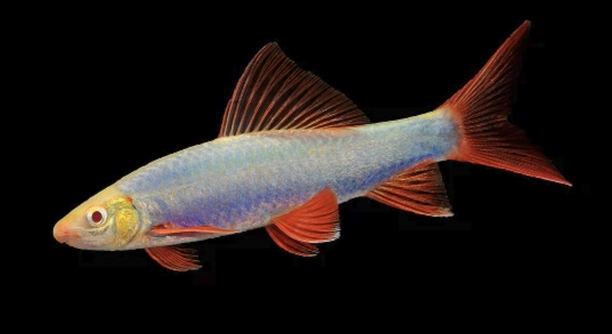
Rainbow sharks are popular freshwater fish known for their striking colors and peaceful nature. Many aquarium owners wonder about their social needs and how they behave when kept alone. Understanding their habits helps ensure a healthy and happy fish.
Rainbow sharks can survive alone, but they may become stressed or territorial without tank mates. These fish prefer some company but also need enough space to avoid conflicts. Proper tank conditions and monitoring are essential for their well-being when kept solo.
Learning more about their behavior and care will help you create a balanced environment for your rainbow shark to thrive.
Social Behavior of Rainbow Sharks
Rainbow sharks are semi-aggressive fish that like to establish their own space in an aquarium. When kept alone, they can become bored or stressed, which might lead to unusual behavior like hiding or sudden bursts of activity. However, in smaller tanks, keeping more than one rainbow shark can lead to fighting. These fish often show territorial behavior, especially if there is not enough room or hiding spots. Adding decorations like plants and caves helps reduce aggression and provides a sense of security. Proper water quality and regular feeding also keep them calm. Observing your rainbow shark’s behavior regularly can help you spot signs of stress early and take steps to improve its environment.
In community tanks, rainbow sharks tend to keep to themselves but will sometimes chase other bottom dwellers. This behavior is natural but usually does not cause serious harm if the tank is large enough.
To reduce stress, aim for a tank size of at least 30 gallons when housing a rainbow shark alone. Avoid overcrowding and provide plenty of hiding places. If you want multiple rainbow sharks, increase the tank size and add more hiding spots to keep peace. Monitoring their behavior helps maintain a calm tank environment.
Tank Setup for a Single Rainbow Shark
A tank of at least 30 gallons is ideal for one rainbow shark to thrive comfortably.
Good filtration is essential because these fish produce moderate waste. Keep the water temperature between 72 and 79°F, with a pH of 6.5 to 7.5. Include smooth gravel and decorations like driftwood or caves for hiding. Bright lighting can stress them, so moderate light levels are best. A secure lid is important since rainbow sharks can jump. Regular water changes keep the environment clean and reduce stress. Feeding a balanced diet of pellets, flakes, and occasional live or frozen food supports their health. With the right setup, a single rainbow shark can live a long and healthy life in your care.
Feeding a Rainbow Shark Alone
Rainbow sharks eat a varied diet of flakes, pellets, and occasional live or frozen foods. Feeding once or twice a day in small amounts keeps them healthy. Avoid overfeeding to prevent water quality issues.
When feeding a single rainbow shark, it’s important to ensure the fish receives enough nutrition without leftovers polluting the tank. These fish are bottom feeders and often scavenge, so sinking pellets or wafers work best. Supplementing their diet with bloodworms, brine shrimp, or daphnia provides protein and variety, which supports their color and activity. Feeding should be consistent but controlled, as too much food can cause obesity and harm water quality.
A balanced diet supports the rainbow shark’s energy and immune system. Observing your fish during feeding times helps ensure it eats properly and isn’t stressed or bullied, even if alone. If the fish ignores food, checking water parameters or tank conditions is advised, as appetite loss can indicate health issues.
Signs of Stress in a Rainbow Shark
Stress in rainbow sharks often shows through hiding, loss of color, or erratic swimming. Identifying these signs early can prevent health problems.
Common causes of stress include poor water quality, overcrowding, or aggressive tank mates. When stressed, a rainbow shark may also stop eating or develop white spots. Maintaining stable tank conditions with regular water changes and adequate space reduces stress. Providing hiding spots and avoiding sudden changes in environment also help the fish feel secure. Regular monitoring allows you to act quickly if signs of stress appear, improving the chances of recovery and long-term well-being.
Compatibility with Other Fish
Rainbow sharks can be territorial, especially with similar-looking or bottom-dwelling fish. Choosing peaceful, fast swimmers as tank mates reduces conflicts.
Avoid keeping multiple rainbow sharks in small tanks to prevent aggression. Larger tanks with plenty of hiding places can support more fish without issues.
Tank Maintenance for a Single Rainbow Shark
Regular water changes of 20-30% weekly keep the tank clean and healthy. Testing water parameters ensures proper pH and ammonia levels.
Removing uneaten food and debris prevents water quality problems. Keeping the filter well-maintained supports a stable environment for your rainbow shark.
When to Add Tank Mates
Wait until your rainbow shark is well-established before introducing new fish. This helps reduce stress and territorial disputes.
Observing Your Rainbow Shark’s Behavior
Keep an eye on activity levels, appetite, and interactions with tank mates. Changes can indicate health or environment issues that need addressing.
Can a rainbow shark live alone in a tank?
Yes, a rainbow shark can live alone in a tank as long as the environment meets its needs. The tank should be large enough—ideally at least 30 gallons—to give the fish enough space to swim and establish territory. Proper hiding places, clean water, and a stable environment help reduce stress when it’s alone. Without tank mates, rainbow sharks may become bored, so enrichment like plants or decorations is important. Monitoring the fish’s behavior can show if it’s adjusting well to solo life.
How big should the tank be for a single rainbow shark?
A single rainbow shark needs a minimum of 30 gallons to thrive. This size gives the fish enough room to swim freely and claim its territory. Smaller tanks increase stress and may lead to aggressive behavior or health problems. If planning to keep more than one, the tank size should increase accordingly, along with plenty of hiding spaces to reduce conflict.
What water conditions are best for rainbow sharks?
Rainbow sharks prefer water temperatures between 72 and 79°F, with a pH level of 6.5 to 7.5. The water should be clean, well-filtered, and regularly tested for ammonia, nitrites, and nitrates. Regular partial water changes help maintain water quality and keep the fish healthy. Avoid sudden changes in water conditions, which can stress the fish.
Do rainbow sharks need tank mates?
Rainbow sharks do not require tank mates to survive, but they often do better with compatible species in a spacious tank. If kept alone, they might become bored or stressed. Suitable tank mates include peaceful fish that swim in different areas of the tank. Avoid other bottom dwellers that might compete for territory or cause aggression.
What should I feed a rainbow shark?
Feed rainbow sharks a balanced diet of sinking pellets or wafers designed for bottom feeders. Supplement their diet with live or frozen foods like bloodworms, brine shrimp, or daphnia to provide extra protein. Feed small amounts once or twice a day, removing uneaten food to prevent water pollution. Avoid overfeeding, as it can cause obesity and water quality issues.
How can I tell if my rainbow shark is stressed?
Signs of stress include hiding excessively, loss of color, erratic swimming, or refusal to eat. White spots or rapid gill movement can also indicate illness or poor water quality. Stress often results from overcrowding, poor water conditions, or aggressive tank mates. Addressing these factors quickly improves your fish’s health and comfort.
Can I keep more than one rainbow shark together?
Multiple rainbow sharks can be kept together if the tank is large enough, typically over 55 gallons, with plenty of hiding places. However, they are territorial and may still fight. Watch for signs of aggression and separate them if needed. Adding enough space and décor helps reduce conflicts.
How often should I clean the tank?
Perform partial water changes of 20-30% once a week to keep water clean and healthy. Regularly remove uneaten food and debris from the tank bottom. Clean the filter according to the manufacturer’s instructions but avoid full cleanings that remove beneficial bacteria. Keeping the tank clean helps prevent stress and illness in your rainbow shark.
What decorations are best for a rainbow shark tank?
Use smooth decorations like driftwood, rocks, and caves to create hiding spots. Live or artificial plants provide cover and reduce stress. Avoid sharp or rough decorations that could injure the fish. Arranging the tank with multiple hiding places helps your rainbow shark feel secure and reduces territorial behavior.
Why is my rainbow shark not eating?
Loss of appetite can result from stress, illness, poor water quality, or changes in tank conditions. Check water parameters and ensure the fish’s environment is stable. Look for signs of disease or injury. Offering a variety of foods may encourage eating, but persistent refusal should be addressed by improving tank conditions or consulting a vet.
Rainbow sharks are interesting fish that many people enjoy keeping in home aquariums. They have bright colors and active swimming habits that make them a nice addition to a tank. While these fish can live alone, it’s important to create a proper environment for them. A tank that is large enough, clean, and well-decorated helps keep a rainbow shark healthy and calm. Providing hiding spots and stable water conditions reduces stress and promotes natural behavior. When cared for well, rainbow sharks can live a long time and stay vibrant.
Taking care of a rainbow shark alone means paying attention to their diet, tank size, and water quality. Feeding them a balanced diet of sinking pellets and occasional live food helps meet their nutritional needs. Overfeeding should be avoided to keep the water clean and prevent health problems. The tank should have at least 30 gallons of space for one rainbow shark. Water temperature, pH, and cleanliness need regular monitoring. Small problems like stress or illness are easier to manage when the tank environment is stable and the fish’s behavior is watched closely.
In the end, whether you keep a rainbow shark alone or with other fish, your attention and care matter most. Understanding their natural habits and needs will help you provide the right environment. While they can survive solo, adding tank mates or decorations can improve their quality of life if done carefully. Regular maintenance and observation ensure your rainbow shark stays healthy and happy. With simple but consistent care, a rainbow shark can be a rewarding pet that adds color and movement to your aquarium.

Hello,
If you enjoy the content that we create, please consider saying a "Thank You!" by leaving a tip.
Every little bit helps us continue crafting quality advice that supports the health, happiness, and well-being of pets around the world, for pets of all shapes, sizes, and species.
We really appreciate the kindness and support that you show us!