
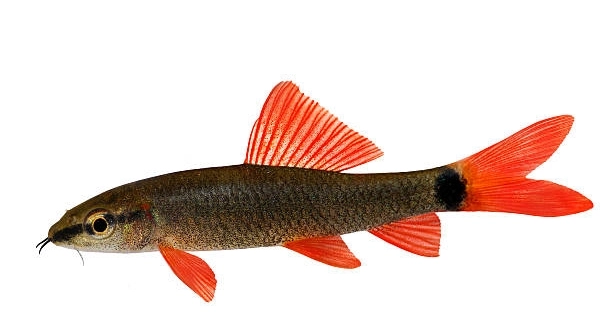
Rainbow sharks are popular freshwater fish known for their striking colors and active nature. Many fishkeepers enjoy watching them swim, but sometimes these fish face health challenges. Knowing how to care for them properly helps keep them healthy and vibrant.
Treating rainbow shark diseases involves early detection, maintaining clean water, providing proper nutrition, and using specific medications when needed. Effective treatment requires addressing environmental factors and promptly responding to symptoms to prevent serious illness or death.
Understanding these treatment methods can help you protect your rainbow shark and enjoy its beauty longer. Keeping your fish healthy starts with the right knowledge and care.
Common Diseases in Rainbow Sharks
Rainbow sharks can suffer from a few common diseases that affect their health and behavior. One frequent issue is ich, also known as white spot disease, which shows up as tiny white dots on the fish’s body and fins. It causes irritation and makes the fish scratch against surfaces. Another problem is fin rot, where the fins become ragged and start to decay. Poor water quality or stress often causes this. Sometimes, fungal infections develop as white or gray patches on the fish’s skin. Bacterial infections are also common and can lead to sores or ulcers. Stress from overcrowding or poor diet can weaken their immune system, making these diseases more likely. Knowing these common illnesses helps you spot problems early and take action quickly, improving your fish’s chance of recovery.
Keeping the tank clean and monitoring water parameters can prevent most diseases.
Taking care of the water environment is vital for keeping rainbow sharks healthy. Regular water changes help remove waste and toxins. Keeping temperature, pH, and ammonia levels stable reduces stress. A balanced diet also supports their immune system, making it easier for them to fight off infections. If you notice signs of disease, isolating the affected fish can prevent spreading. Proper treatment may include medicated baths or antibiotics prescribed for fish. Preventing illness is easier than curing it, so maintaining a healthy habitat should always be the first step.
How to Maintain Proper Water Conditions
Water quality is the foundation of your rainbow shark’s health.
Maintaining stable water conditions means regularly testing the water for ammonia, nitrite, nitrate, pH, and temperature. Ammonia and nitrite should always be at zero, while nitrate levels should be low. The pH level should be between 6.5 and 7.5, and temperature should stay around 75 to 79 degrees Fahrenheit. Frequent water changes—about 20% every week—help keep these levels balanced. A good filtration system removes waste and harmful substances, but it’s important to clean filters regularly without removing beneficial bacteria. Avoid overcrowding the tank because too many fish increase waste and stress. Clean water supports the rainbow shark’s immune system, helping it resist diseases naturally. By keeping these conditions stable, you create a safe environment where your fish can thrive.
Identifying Symptoms Early
Watching your rainbow shark closely helps catch problems early. Changes in behavior, color, or appetite often signal illness.
Symptoms like lethargy, loss of appetite, or hiding more than usual are warning signs. Physical changes such as white spots, torn fins, or swelling can show infections or parasites. These symptoms mean your fish needs attention quickly to avoid serious health issues.
Early identification allows for timely treatment, increasing recovery chances. Keeping a log of your fish’s behavior and appearance can help spot subtle changes. Acting fast when symptoms appear prevents disease spread to other tank mates and limits damage to your fish’s health.
Treatment Options
Treatments vary depending on the disease affecting the rainbow shark.
For white spot disease, raising the tank temperature slightly and using medication designed to kill parasites works well. Fin rot and bacterial infections respond to antibiotic treatments available at pet stores. Fungal infections often need antifungal medications applied in the water. Always follow dosing instructions carefully to avoid harming your fish or beneficial bacteria. Isolating sick fish in a separate tank helps prevent spreading disease. Adjusting water conditions and improving diet support recovery and strengthen the immune system. Proper treatment combines medication with better care practices to help your rainbow shark get back to full health.
Quarantine New Fish
Quarantining new fish before adding them to your main tank reduces disease risk. This step helps protect your rainbow shark from infections brought in by newcomers.
Keep new fish in a separate tank for two weeks. Monitor their health closely before introducing them to the community tank.
Nutrition and Diet
A balanced diet boosts your rainbow shark’s immune system and helps prevent disease. Feed high-quality pellets designed for omnivorous fish, supplemented with occasional live or frozen foods like bloodworms or brine shrimp. Avoid overfeeding, as leftover food pollutes the water and causes health issues. Consistent, nutritious feeding strengthens your fish and supports faster recovery from illness.
Avoid Overcrowding
Too many fish in one tank causes stress and poor water quality, which increase disease risk. Always provide enough space for your rainbow shark to swim comfortably.
FAQ
How can I tell if my rainbow shark is sick?
Signs of illness include loss of appetite, unusual hiding, sluggish movement, and changes in color. Physical symptoms like white spots, torn or ragged fins, swelling, or ulcers indicate disease. Watching your fish daily helps catch problems early for quicker treatment.
What should I do if my rainbow shark has white spots?
White spots usually mean ich, a common parasite infection. Increase the tank temperature slightly and treat with an ich-specific medication. Repeat treatment as directed to clear all parasites, including those in the eggs. Clean the tank and monitor water quality during treatment.
Is fin rot dangerous for rainbow sharks?
Yes, fin rot can worsen if untreated, causing fins to decay and possibly leading to bacterial infections. Treat fin rot by improving water quality and using antibacterial medications. Removing stressors and maintaining a clean tank help prevent recurrence.
How often should I change the water in my rainbow shark’s tank?
Perform a partial water change of about 20% weekly. This helps maintain good water quality by removing toxins and waste. Avoid changing too much water at once to prevent stress from sudden parameter shifts.
Can I treat diseases without medication?
Sometimes improving water quality, adjusting temperature, and isolating the sick fish can help mild conditions. However, many infections require specific medication for effective treatment. Consult fish care guides or professionals to choose the right approach.
What is the best diet for a rainbow shark?
A varied diet including high-quality pellets, occasional live or frozen foods like bloodworms, brine shrimp, and vegetables supports their health. Avoid overfeeding and remove uneaten food to prevent water pollution.
Should I keep rainbow sharks with other fish?
Rainbow sharks can be territorial, especially in small tanks. Choose tank mates carefully and provide enough space. Avoid aggressive or very small fish that may get bullied or stressed. Proper tank size and hiding spots reduce conflicts.
How important is quarantine for new fish?
Quarantining new fish for at least two weeks helps prevent introducing diseases to your main tank. It gives you time to observe signs of illness and treat if needed before mixing fish populations.
What temperature is best for rainbow sharks?
Maintain water temperature between 75 and 79 degrees Fahrenheit. Stable temperature supports their immune system and reduces stress, making them less prone to disease.
Can stress cause diseases in rainbow sharks?
Yes, stress weakens the immune system and makes fish more vulnerable to infections. Stress can come from poor water conditions, overcrowding, aggressive tank mates, or sudden changes in environment. Minimizing stress helps keep your rainbow shark healthy.
Final Thoughts
Taking care of a rainbow shark means paying close attention to its environment and health. These fish need clean water, good food, and enough space to swim comfortably. Regular water changes and a strong filtration system are important to keep the tank clean and safe. Keeping the water temperature stable also helps your fish stay healthy. When these basic needs are met, rainbow sharks are less likely to get sick. It’s much easier to prevent diseases than to treat them after they appear.
If your rainbow shark shows signs of illness, acting quickly is very important. Watching for changes in behavior or appearance can help you catch problems early. Using the right medication and adjusting care routines can improve your fish’s chances of recovery. Isolating sick fish during treatment prevents diseases from spreading to other tank mates. A balanced diet also supports your fish’s immune system, helping it fight off infections. By following these steps, you give your rainbow shark the best chance to heal and thrive.
Rainbow sharks are beautiful and active fish that bring life to a tank. Caring for them well means understanding their needs and being ready to respond to health issues when they come up. Keeping the water clean, feeding properly, and monitoring your fish closely will make a big difference. It’s normal to face challenges, but with patience and attention, you can help your rainbow shark live a long, healthy life. Good care creates a happy environment for both you and your fish.

Hello,
If you enjoy the content that we create, please consider saying a "Thank You!" by leaving a tip.
Every little bit helps us continue crafting quality advice that supports the health, happiness, and well-being of pets around the world, for pets of all shapes, sizes, and species.
We really appreciate the kindness and support that you show us!